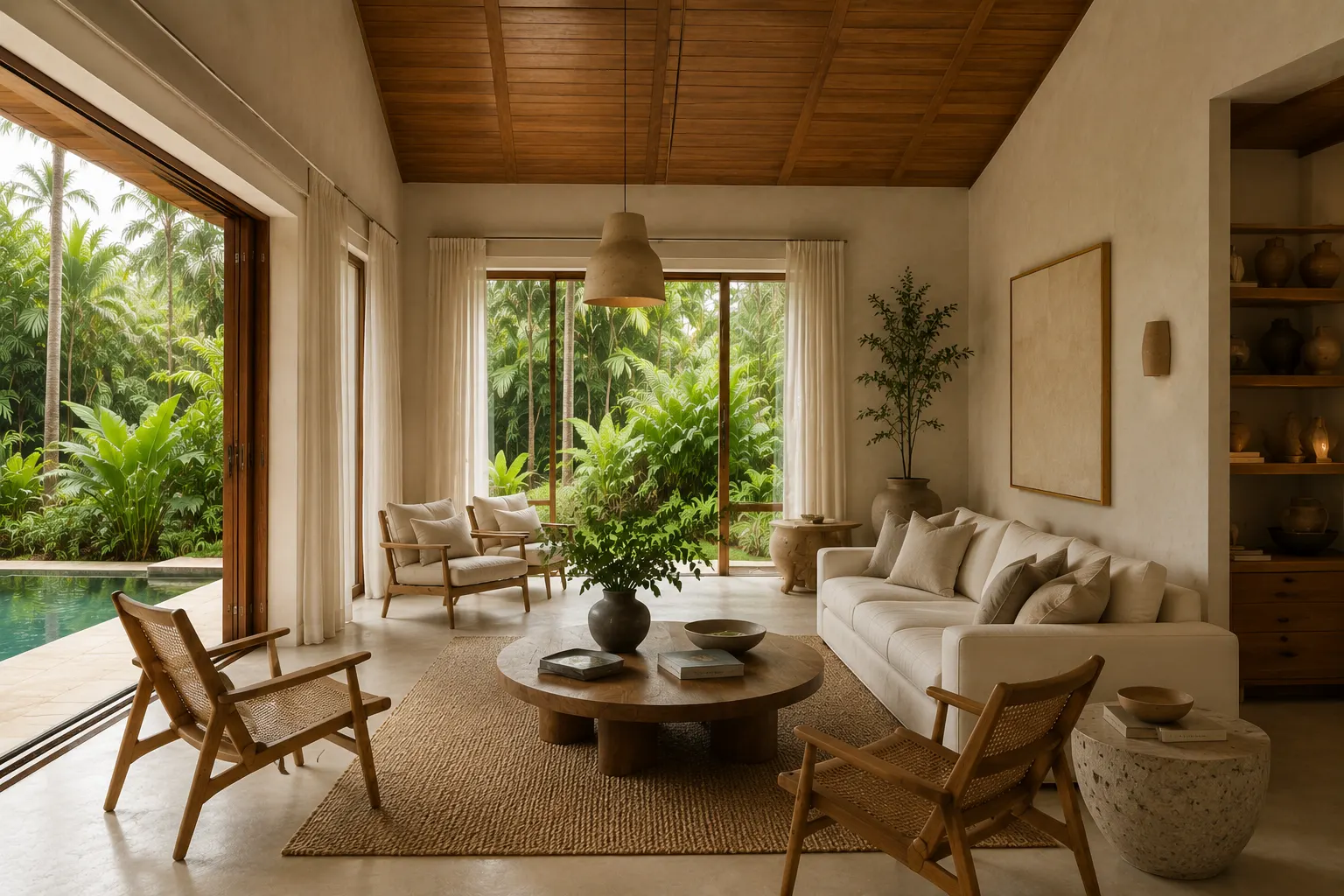
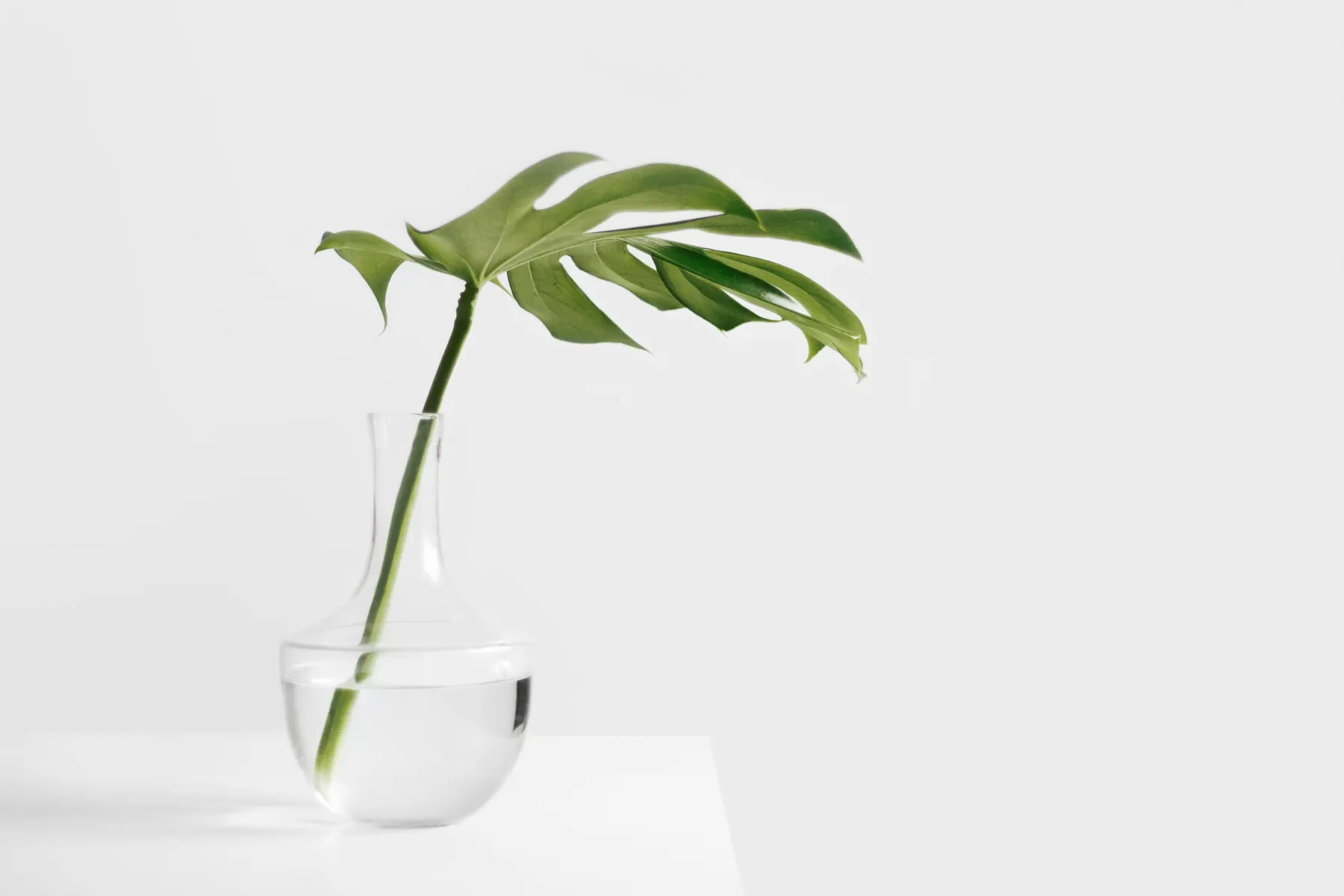
A tropical minimal living room is created through architecture, air, natural colour, honest materials, and a quieter way of choosing what belongs.
Tropical Minimalism · Jun 29, 2026 · 9 min read
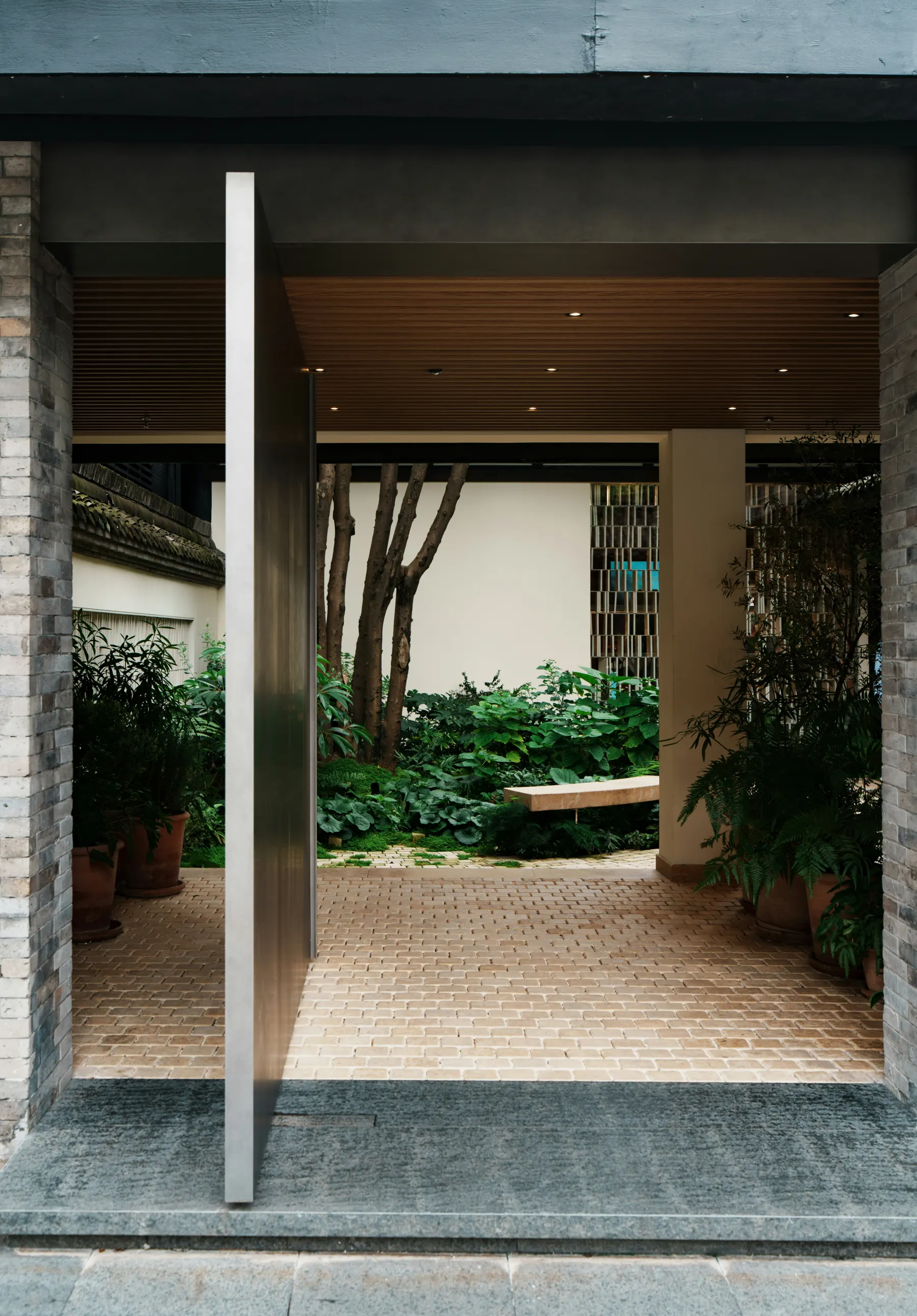
Begin with a room that opens naturally to light, air and the surrounding landscape.
A tropical minimal living room is not defined by a particular sofa, a trending coffee table or a carefully styled shelf. It is created by understanding how people naturally live in warm and humid tropical climates. It is a room that feels open, breathable and connected to its surroundings, where every piece has been meticulously chosen and nature is always invited inside.
Rather than filling a room with furniture and decoration, tropical minimalism begins with a simpler question: what does this space really need? The answer is often less than you think. By choosing honest materials, natural earthy colours and timeless furniture, a living room becomes somewhere to slow down, entertain and spend time comfortably throughout the day.
Begin with the Architecture
A beautiful living room starts long before the furniture arrives. Good architecture forms the foundation of tropical minimalism.
Large openings allow the house to breathe naturally, inviting cross ventilation while framing views of the surrounding landscape. High ceilings encourage warm air to rise, deep overhangs soften the tropical sun, and generous windows allow natural light to become part of the interior.
The best tropical living rooms never feel enclosed. They blur the boundary between indoors and outdoors, making the landscape feel like an extension of the room itself.
Colour is most convincing when it feels borrowed from the surrounding land.
Build a Natural Colour Palette
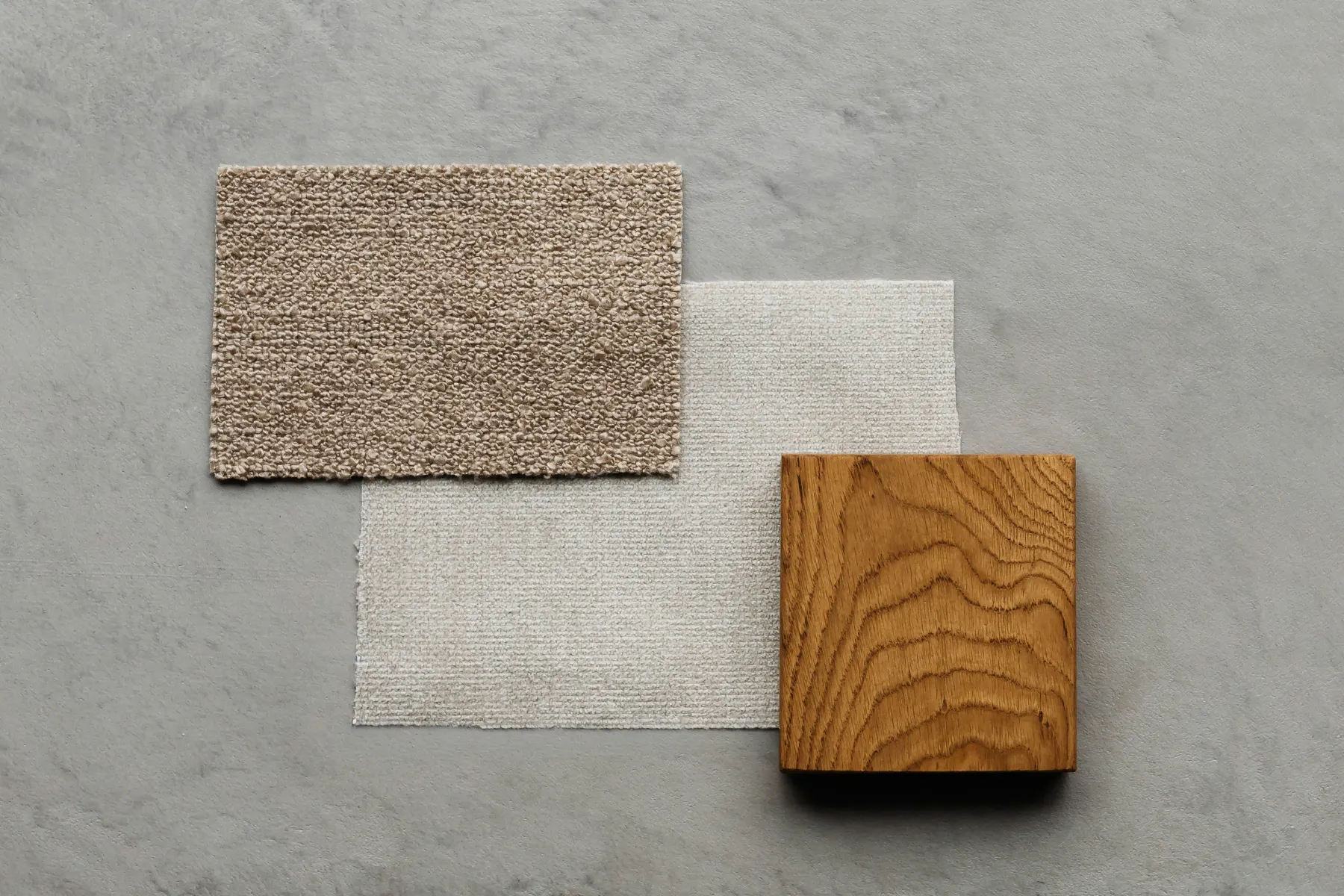
Tropical minimalism uses a colour palette that works in harmony with the land itself. Warm neutrals, soft earth tones and muted greens create a calm backdrop that allows the surrounding landscape to become the focal point. Rather than competing with nature, the interiors are designed to complement it.
Colours are borrowed from limestone, sand, aged timber, clay and tropical foliage. Throughout the day, changing natural light reveals subtle textures and gentle shadows instead of bold contrasts, creating a home that feels calm, timeless and deeply connected to its surroundings.
A restrained palette also allows natural materials and craftsmanship to become the focus rather than colour itself.
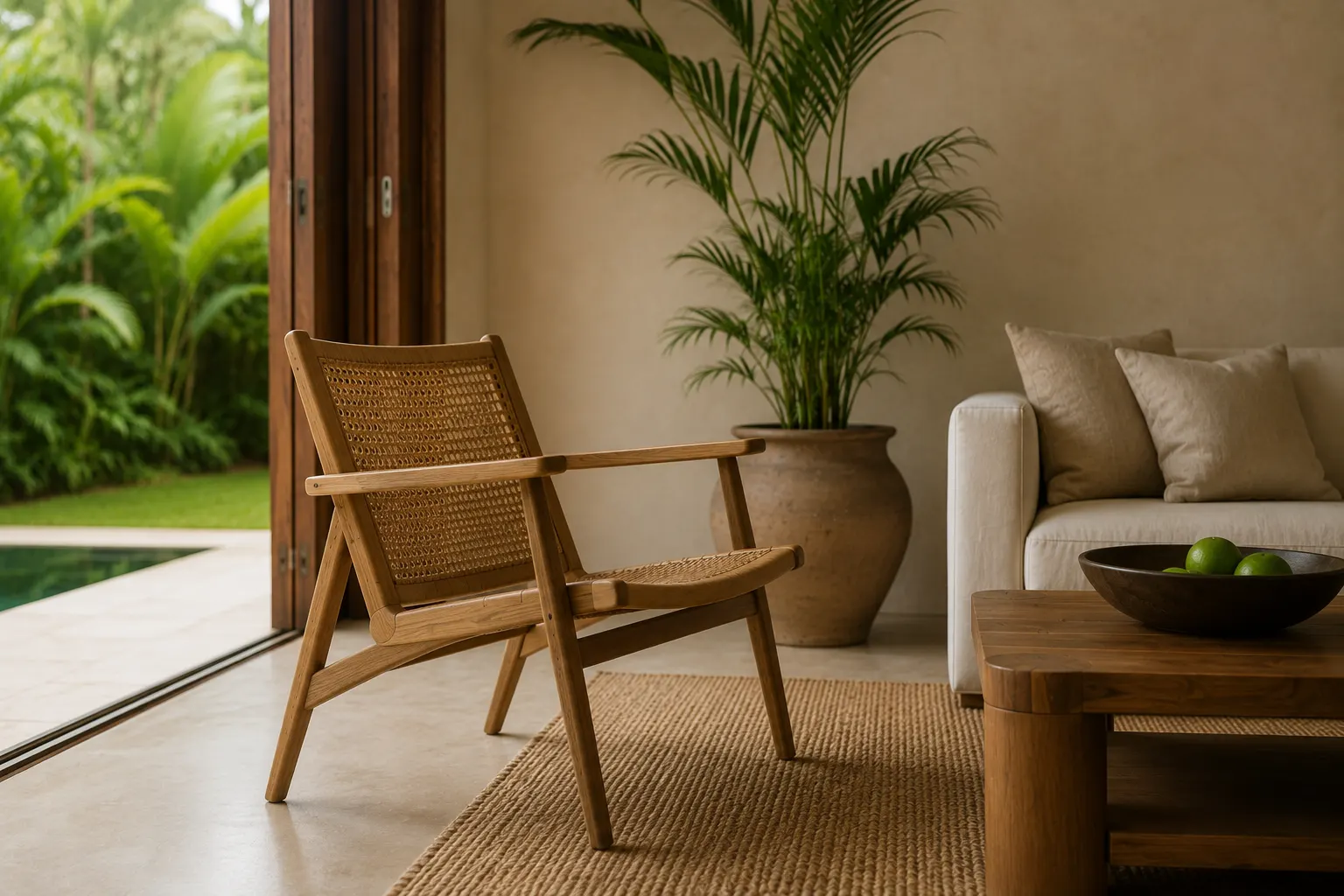
Natural materials such as rattan, linen and timber bring comfort, texture and warmth.
Choose Honest Materials
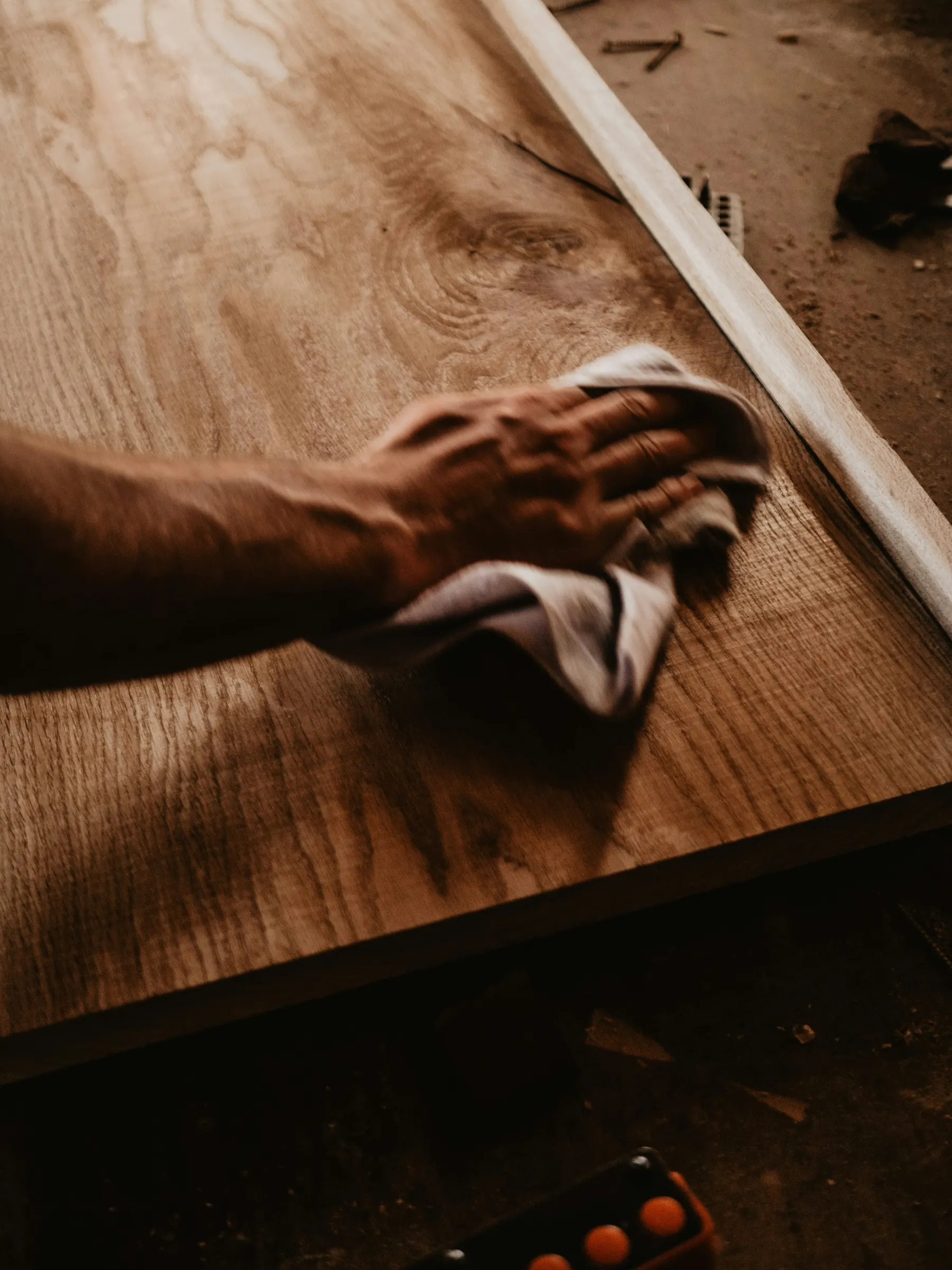
Materials are at the heart of tropical minimalism. In warm, humid climates, every surface should feel as good as it looks.
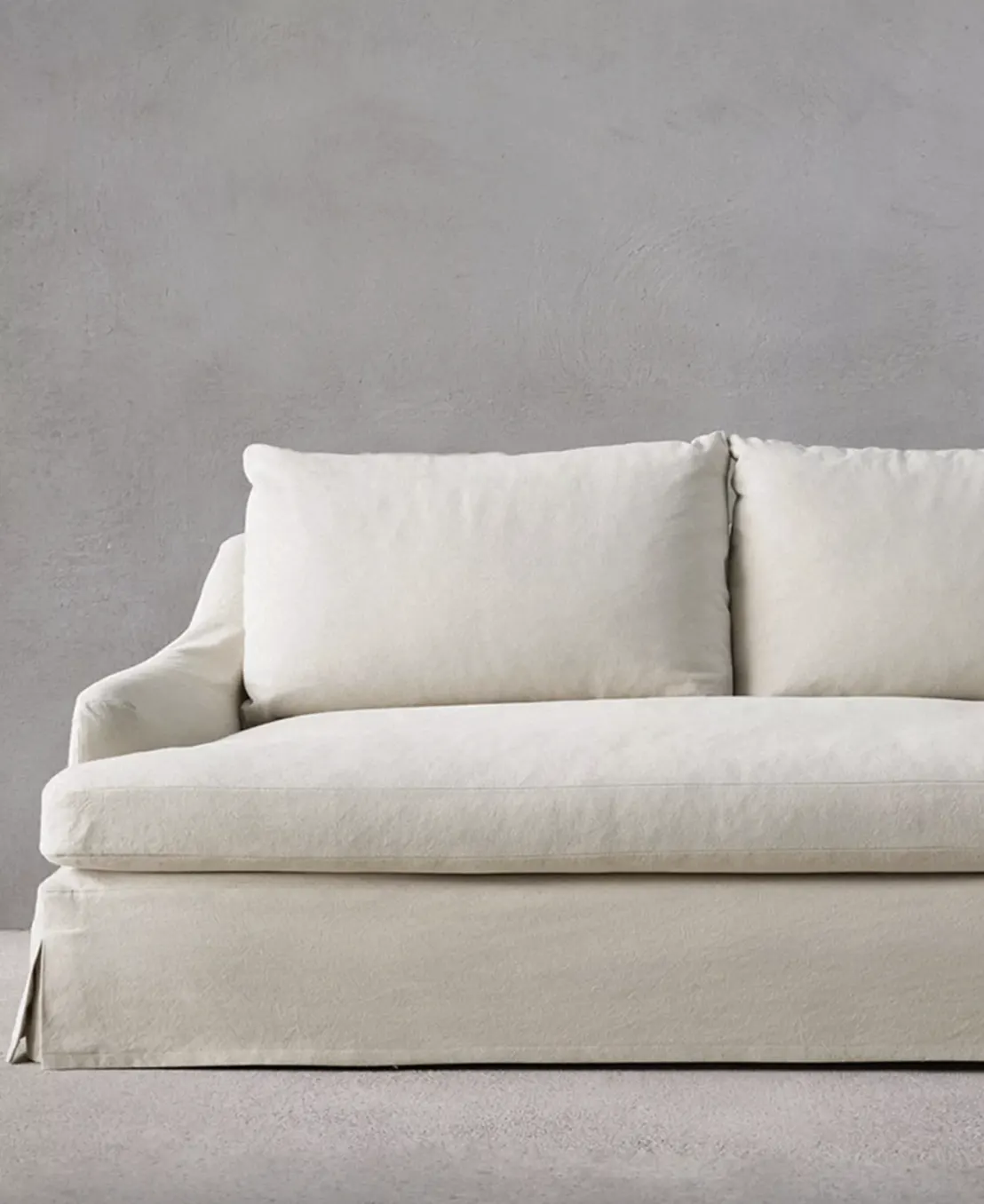
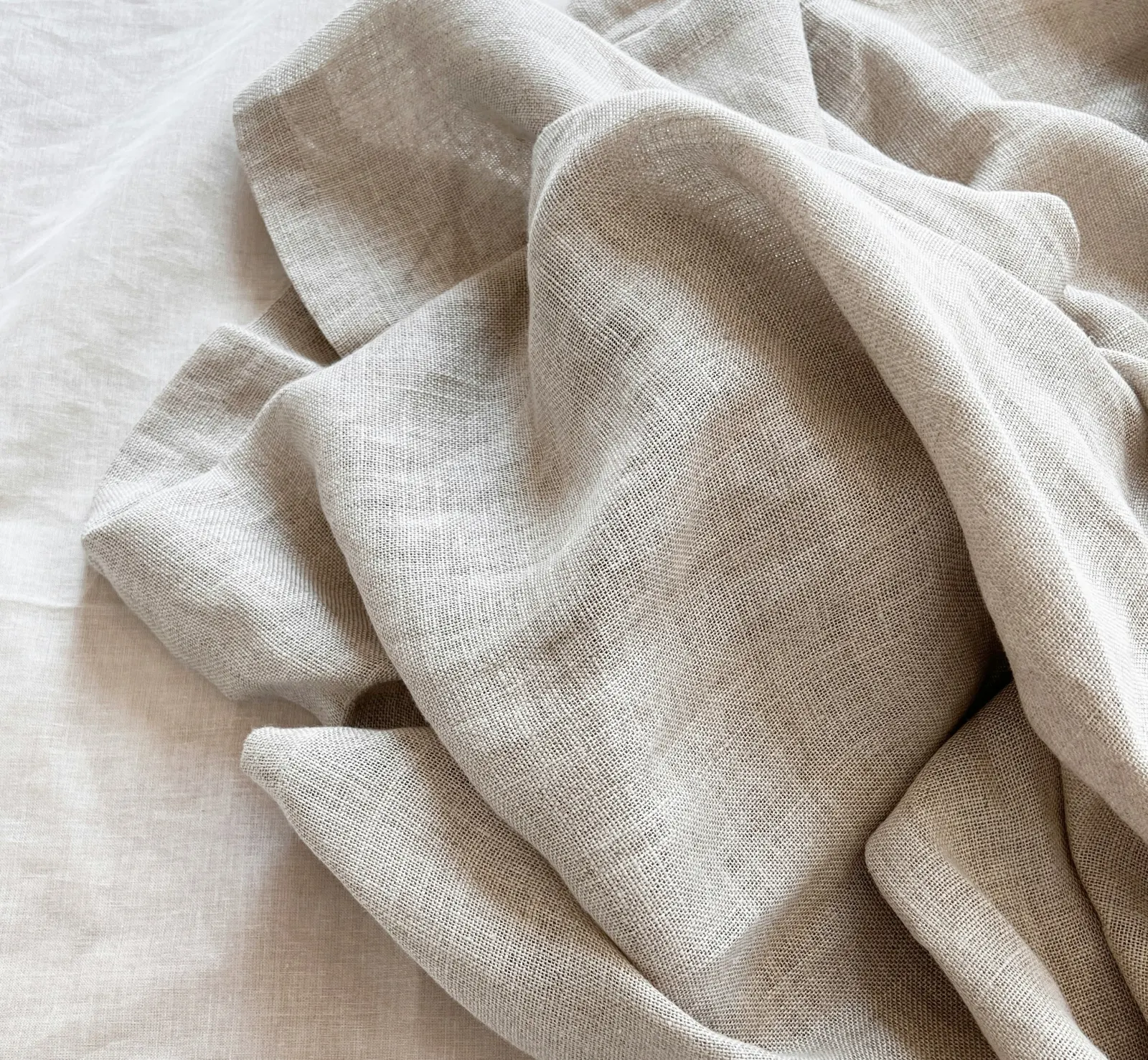
Natural materials such as solid timber, rattan, linen, cotton, stone and lime plaster breathe, age beautifully and remain comfortable throughout the year. A linen sofa feels cooler than leather during humid afternoons, while handwoven rattan introduces warmth and texture without adding visual heaviness.
These materials develop character over time. Timber gains a rich patina, linen softens with use and natural stone becomes more beautiful through everyday living. Rather than hiding age, tropical minimalism celebrates it.
The strongest rooms often begin with fewer, better-scaled pieces.
The Furniture Formula
One of the easiest mistakes is adding too much furniture. Instead, begin with a carefully considered collection of essential pieces.
One generous linen sofa
Two comfortable lounge chairs
One solid timber coffee table
A side table
A natural fibre rug
Soft layered lighting
Each piece should have room to breathe. Empty space is not wasted space; it allows the furniture, architecture and surrounding landscape to be appreciated.
Think About Layout Before Styling
A tropical minimal living room should encourage conversation, relaxation and connection with the outdoors.
Arrange seating to face one another whenever possible. Position furniture to capture views of the garden, pool or courtyard, and leave generous circulation around the room.
The room should feel open, intuitive and easy to move through.
Style with Restraint
Styling should never become decoration for its own sake.
Instead of filling shelves with many small objects, choose fewer pieces with greater presence. A handmade ceramic vessel, a carefully chosen artwork, a stack of books you enjoy reading or a sculptural branch often creates more impact than dozens of accessories.
Texture replaces ornament. Linen, woven fibres, handmade ceramics and natural timber provide richness without visual clutter.
Do
Choose large statement pieces
Layer natural textures
Display books naturally
Introduce handcrafted ceramics
Leave generous negative space
Avoid
Filling every surface
Matching furniture sets
Plastic accessories
Highly polished finishes
Small decorative objects without purpose
Layer the Lighting
Natural light defines the living room during the day, but thoughtful lighting transforms it after sunset.
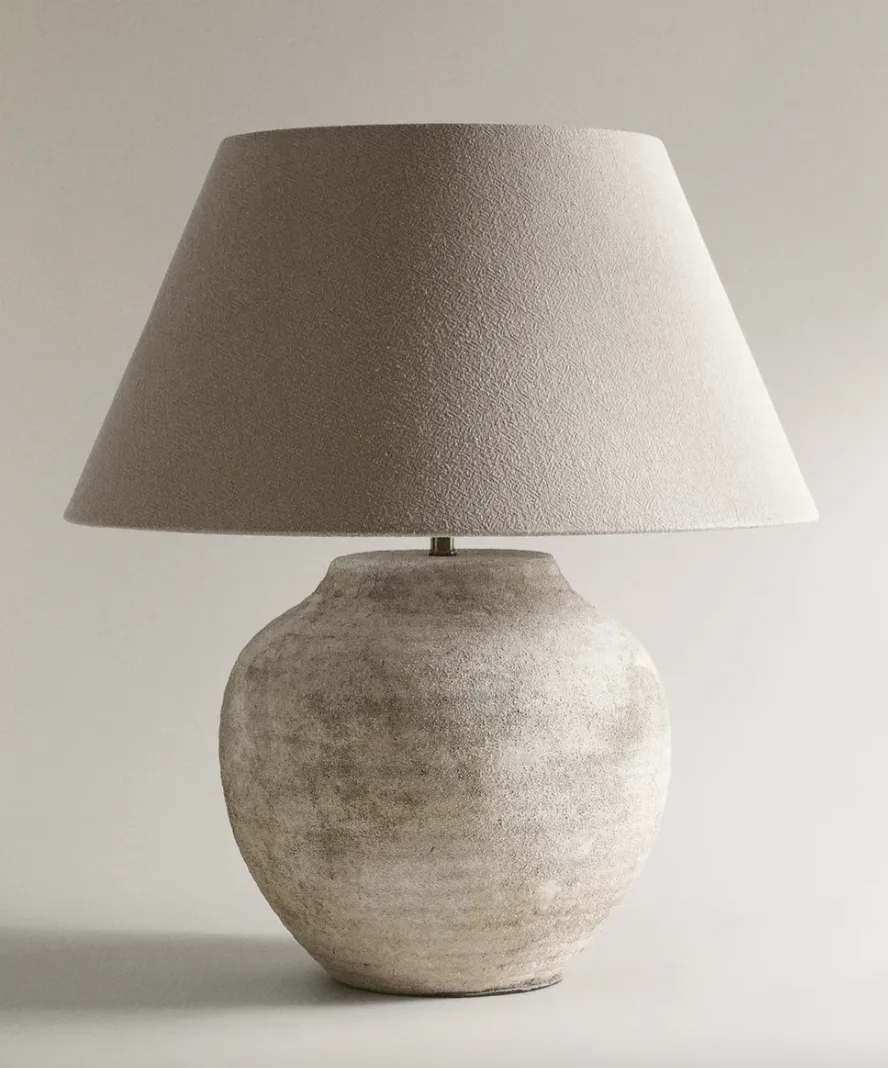
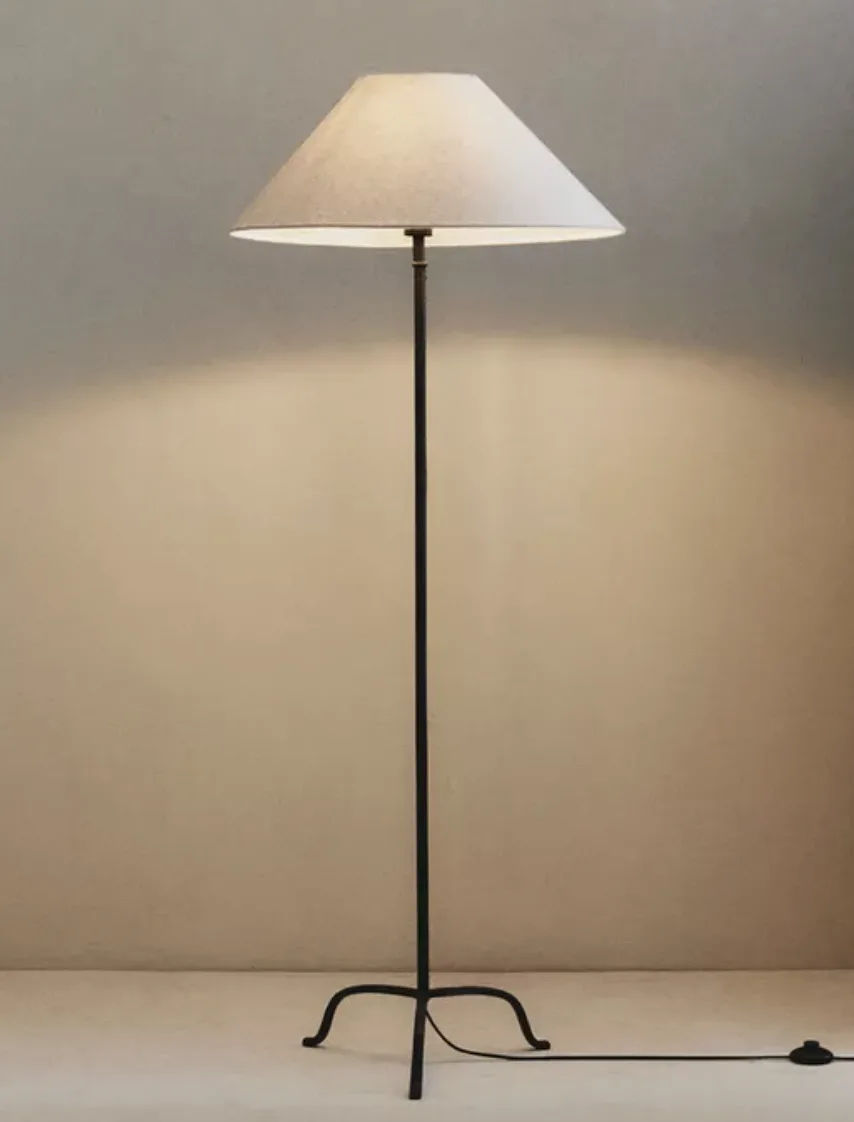
Layer ambient, task and accent lighting rather than relying on a single overhead fitting. Floor lamps, wall sconces and table lamps create softer pools of light and a more intimate atmosphere.
Warm lighting enhances timber, stone and natural fibres, allowing the room to feel inviting long after daylight fades.
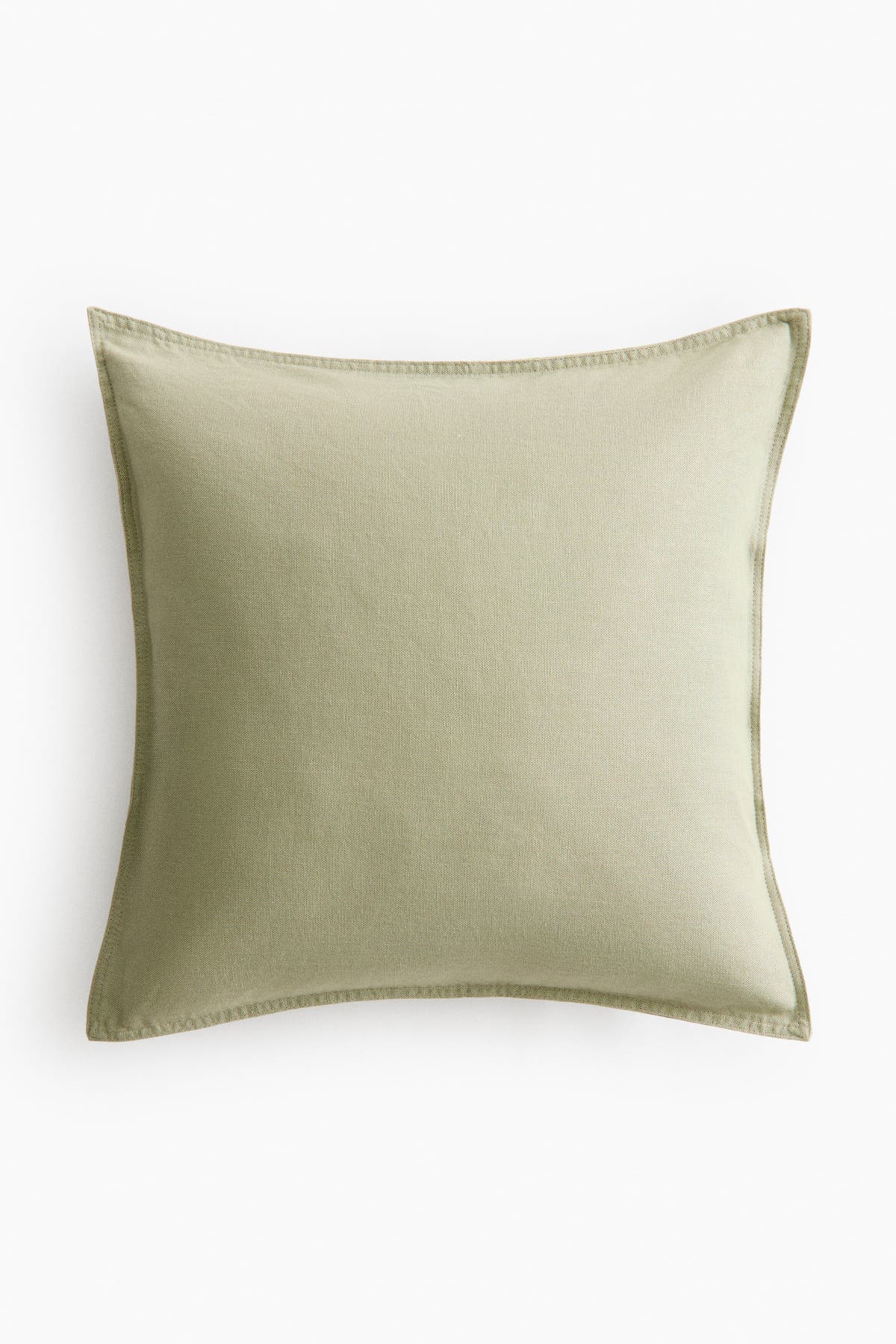
Shop the Look
A restrained edit of pieces that support the atmosphere: generous seating, timber, woven texture, and warm low light.
A tropical minimal living room is ultimately about creating a home that responds to its environment rather than fighting against it. It celebrates natural light, honest materials and thoughtful restraint, allowing architecture and landscape to become the true focal points.
When every element has purpose and nothing feels excessive, the room becomes more than beautiful. It becomes somewhere people naturally want to spend time.
The best tropical minimal living rooms do not announce themselves loudly. They feel calm because the architecture, furniture, materials, lighting, and landscape are all quietly working in the same direction.