What it is and where it's from
Granite, the most common in tropical building, begins deep within the earth as molten material that cools slowly into a hard, crystalline rock. Minerals such as quartz, feldspar, and mica give it its strength, grain, and colour. Once quarried, the blocks are cut into slabs, tiles, steps, counters, basins, and wall pieces, then finished according to how they'll be used.
Colour and character
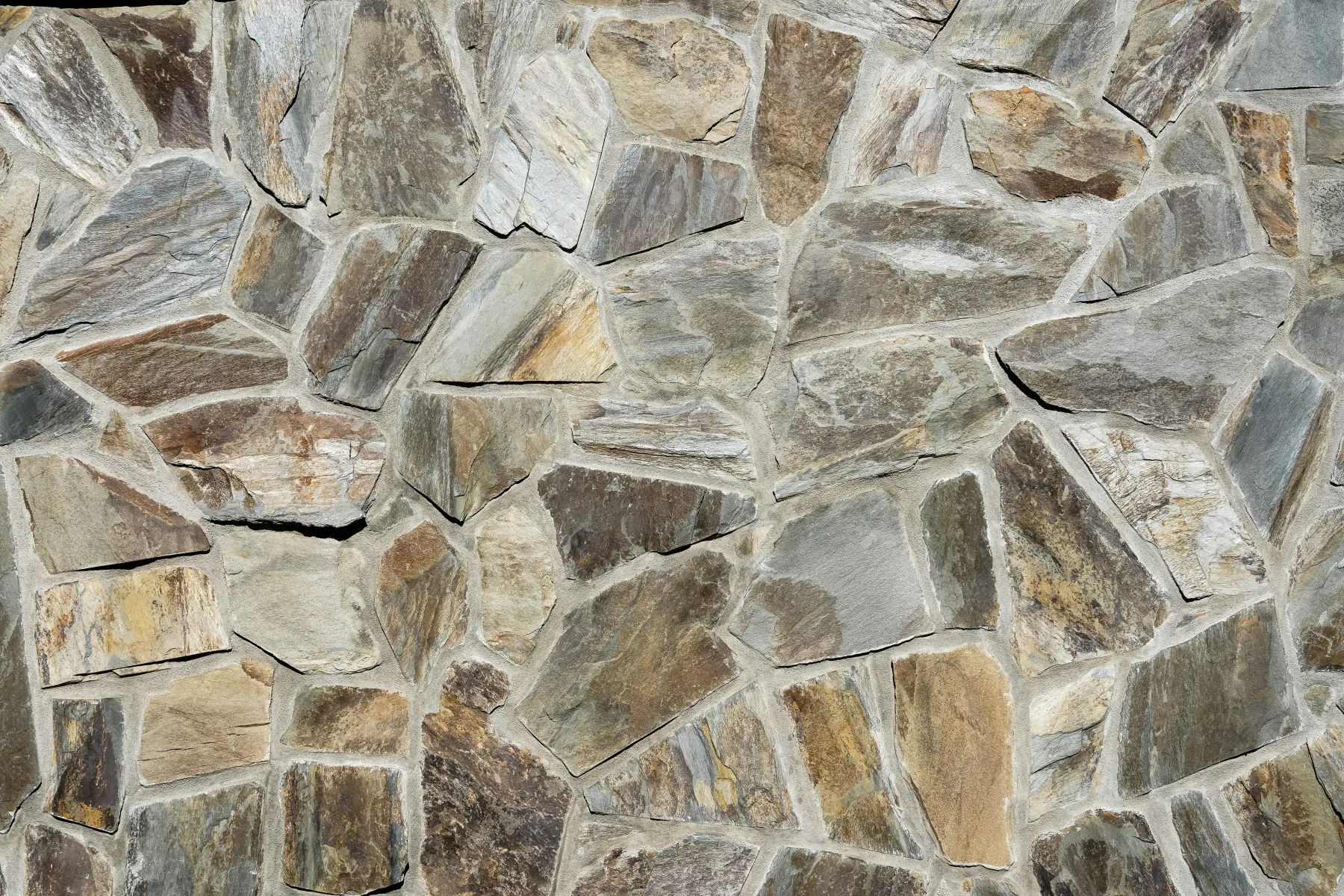
Its colour isn't painted, its pattern isn't printed; the specks, veins, crystals, and tonal shifts are part of the rock itself. Granite alone ranges from pale grey and cream to black, red, pink, brown, and green.
The finish then decides how the stone meets the light. Polished granite reflects; a honed surface softens; brushed, flamed, or rough-cut stone catches shadow. The same slab can read sleek and cool or earthy and tactile depending entirely on how it's finished, a quiet but powerful way to tune the material to a space.
For a tropical-minimal home, stone is often at its best with the least done to it. Left honed, brushed, or close to its natural cut rather than highly polished, it keeps its raw texture and matte depth. The surface stays tactile, grounded, and quietly imperfect instead of glossy and engineered. A high polish can look refined, but it also reads as more formal and reflective; the unpolished face holds shadow, shows the grain honestly, and sits more comfortably beside lime plaster, timber, and reed. Less processing lets the material simply be what it is, which is exactly the point in a minimal space.
Where to use it
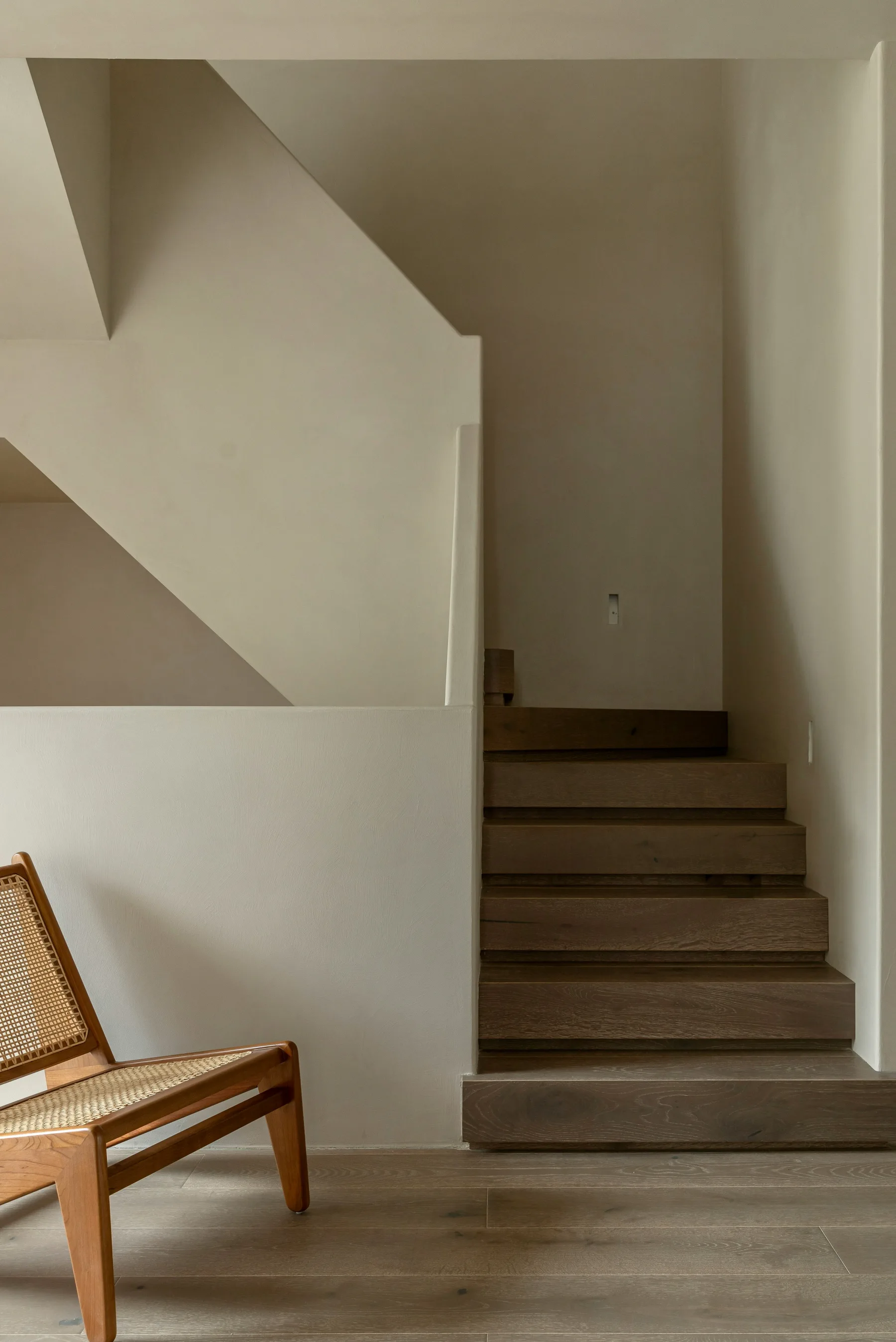
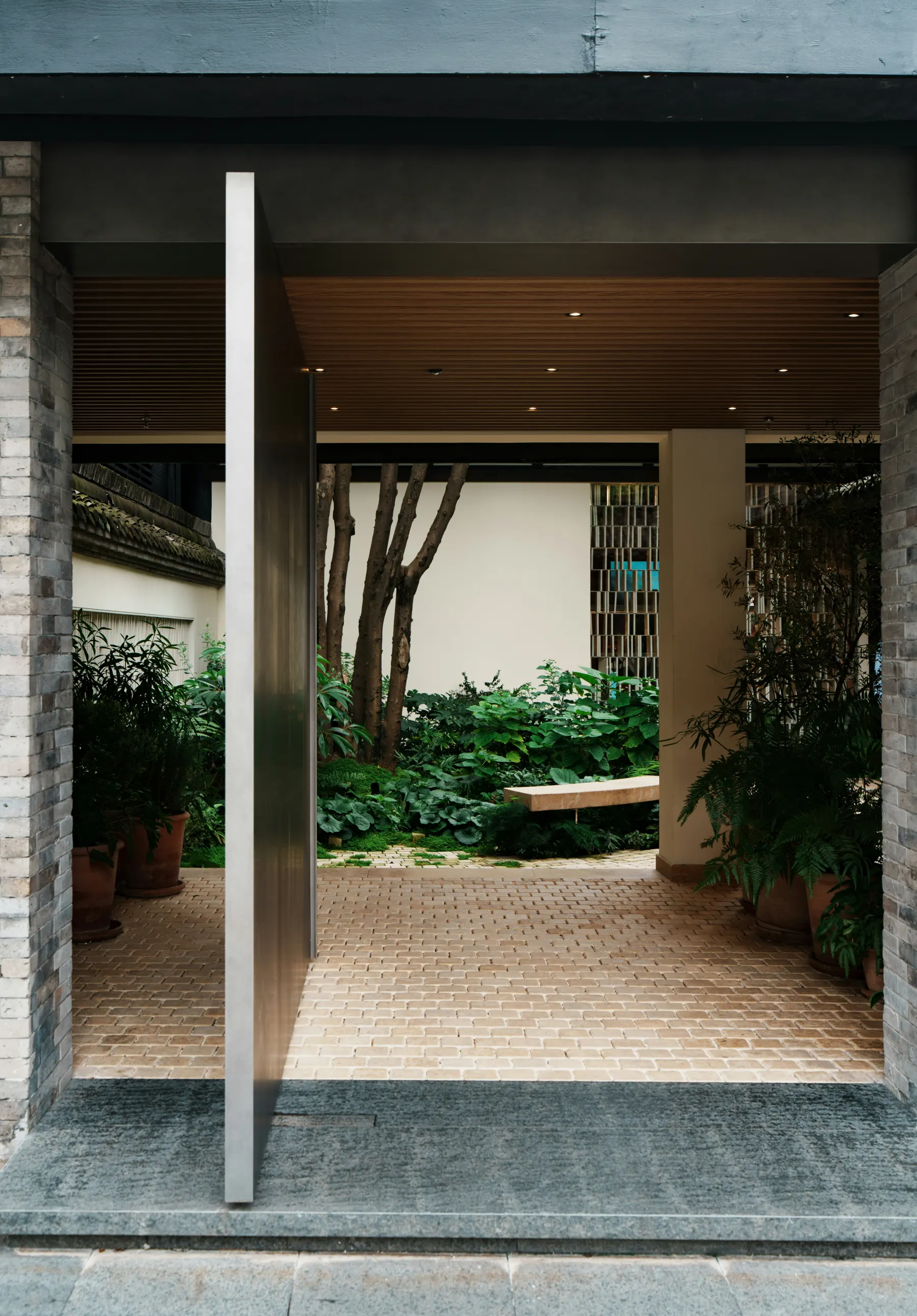
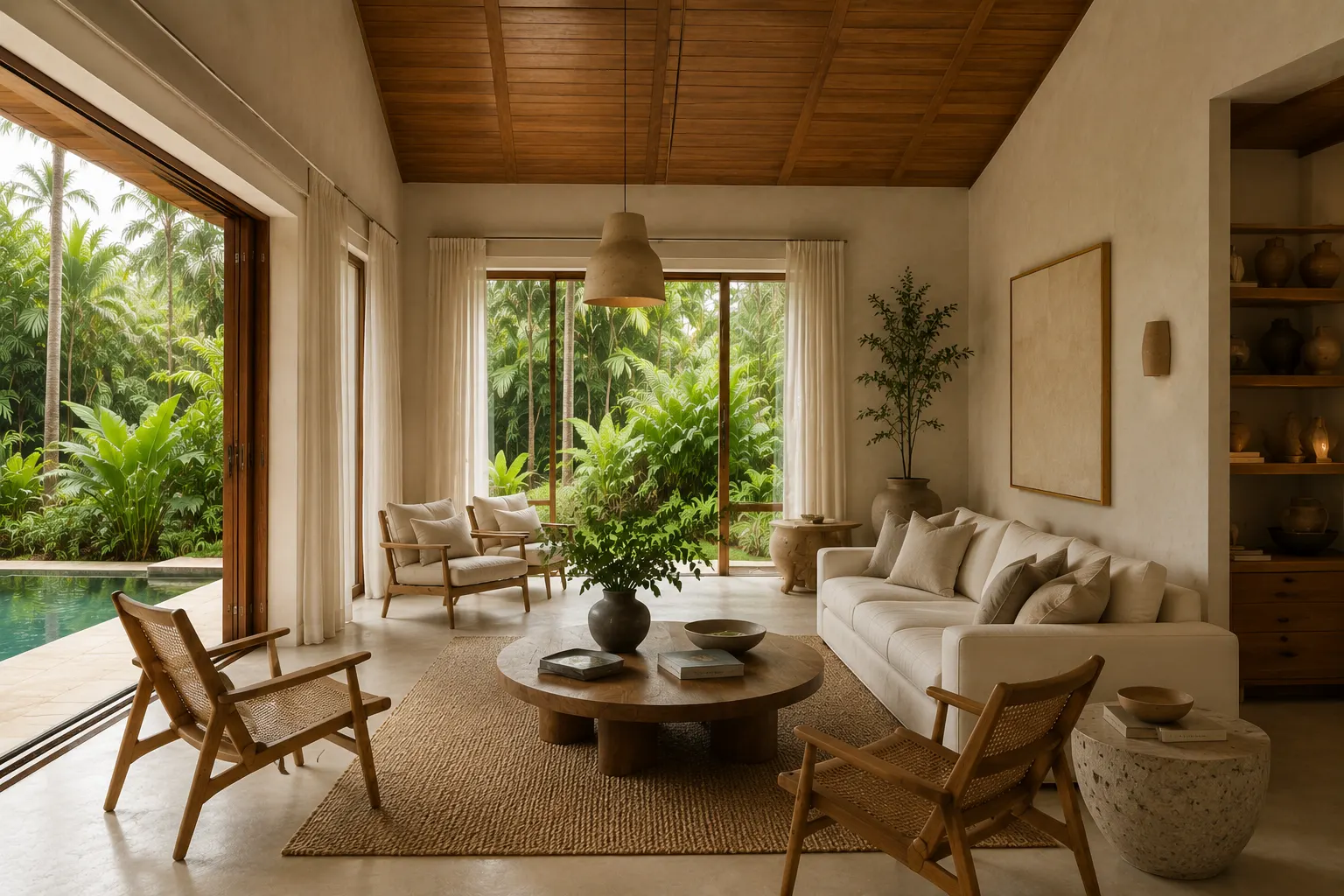
Stone earns its place wherever a room needs grounding: shaded floors, thick walls, verandahs, steps, plinths, thresholds, counters, and basins. In a tropical-minimal interior it brings richness without clutter, pattern without decoration, colour without paint, permanence without heaviness when it's used with care. Set beside lime plaster, timber, reed, terracotta, linen, and garden views, stone becomes the cool mineral counterpoint, a reminder that a house can be simple and still deeply textured.
What makes it work in the tropics
Stone's intelligence in the heat is its density, which gives it thermal mass: it absorbs, stores, and releases heat gradually rather than letting a room spike with the sun. Used in shaded floors, thick walls, and plinths, it helps hold a steadier interior temperature, especially when paired with cross-ventilation, deep eaves, and night-time air movement. It also feels naturally cool underfoot, drawing heat away from the body on contact, which is why a stone floor, a shaded courtyard, or a granite threshold can feel so relieving in a hot house.
One honest caveat: stone doesn't cool a house on its own. It needs shade, moving air, overhangs, planting, and good orientation. Left exposed to harsh sun, it stores that heat and turns uncomfortable. But protected and ventilated, it becomes one of the most useful materials in a tropical home, holding the coolness of shade, grounding the space, and giving weight to rooms that might otherwise feel too light.