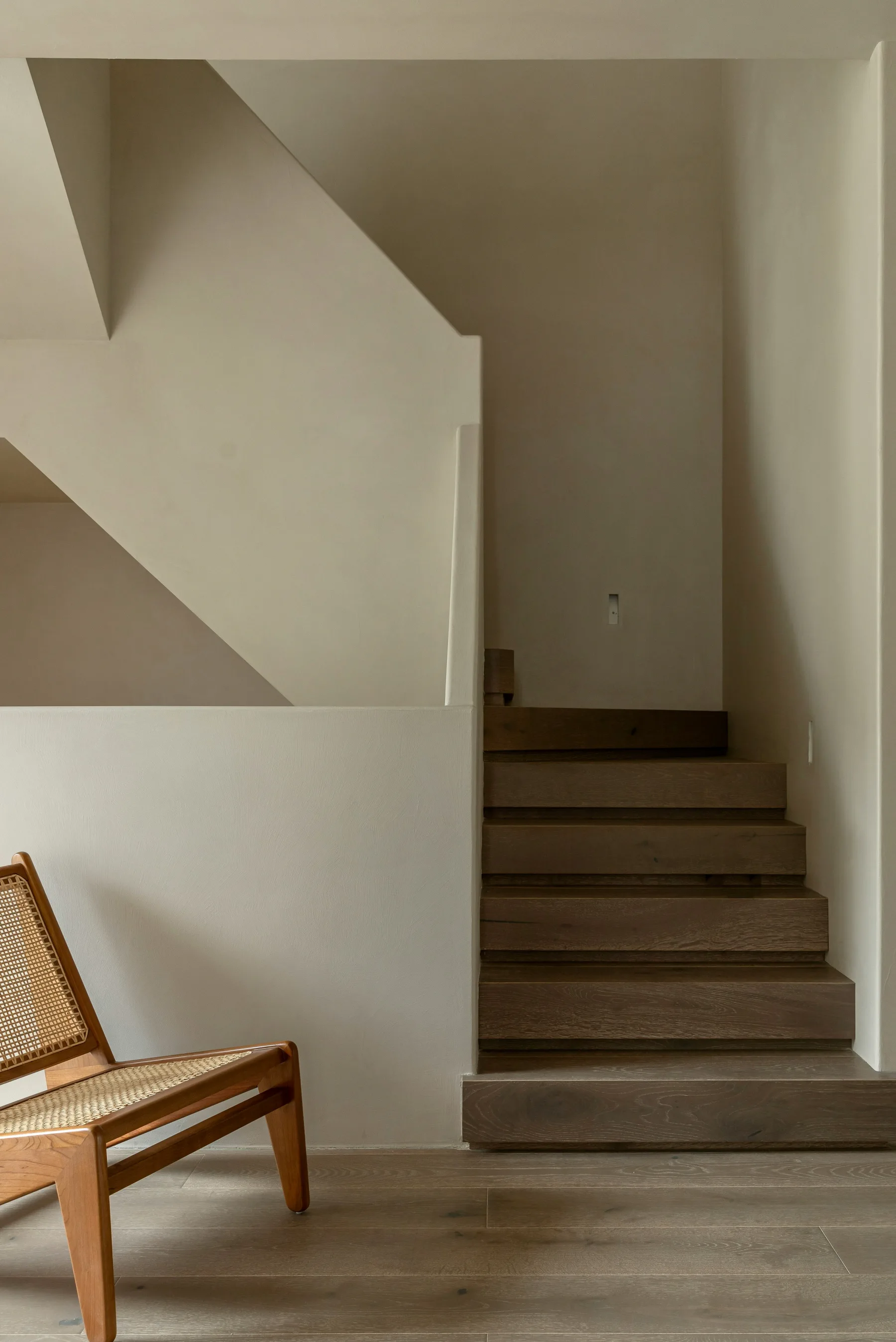
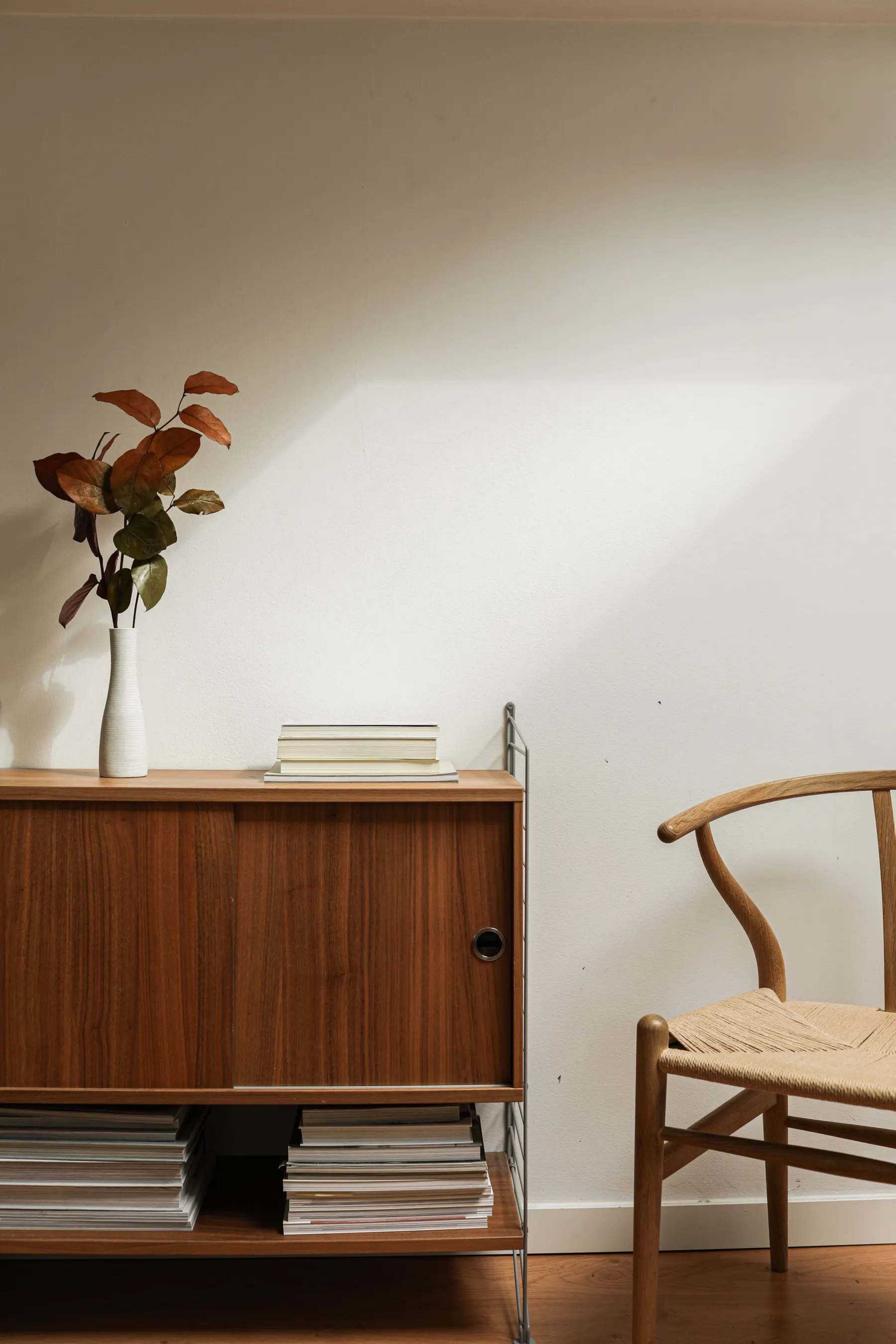
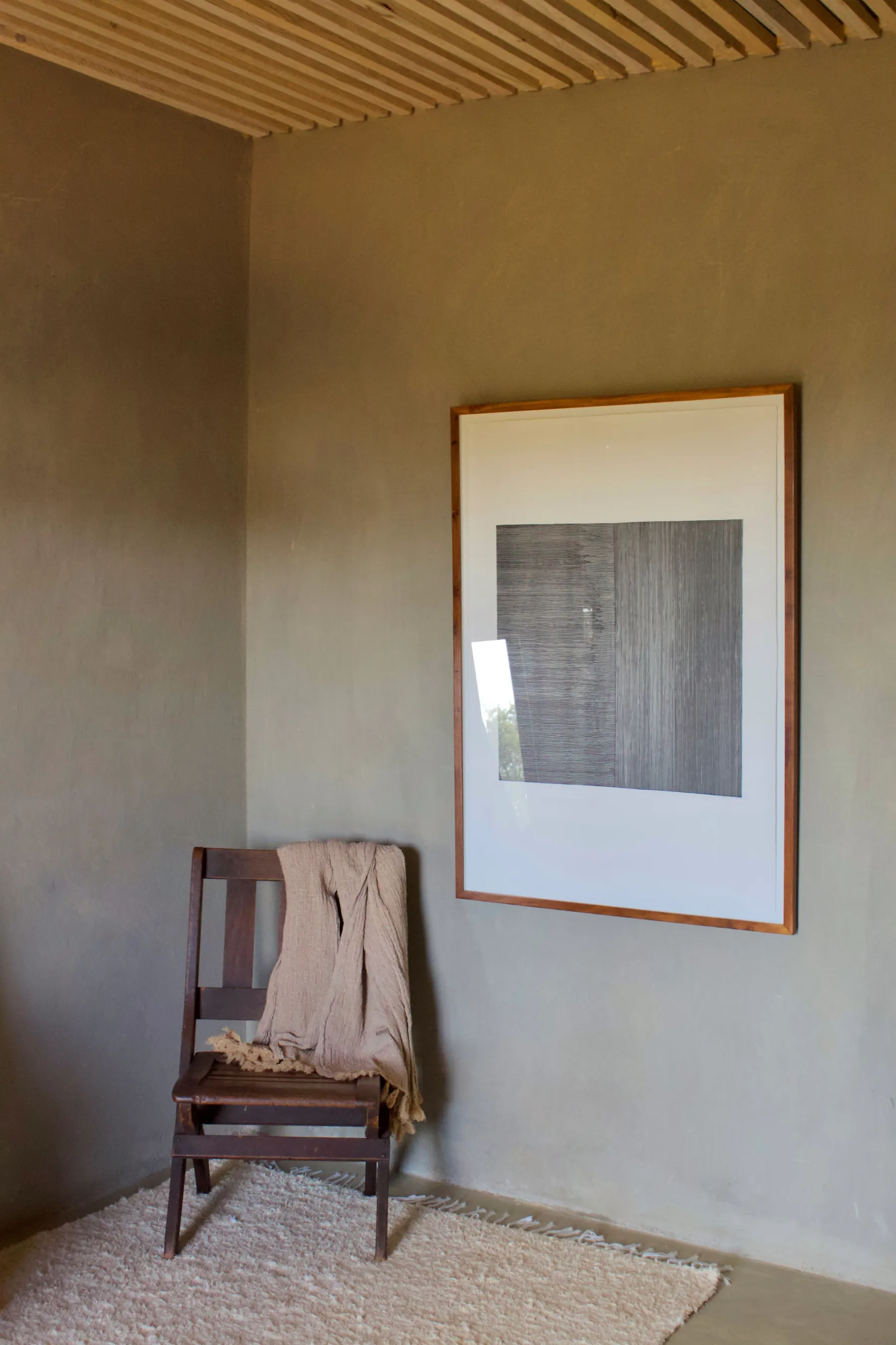
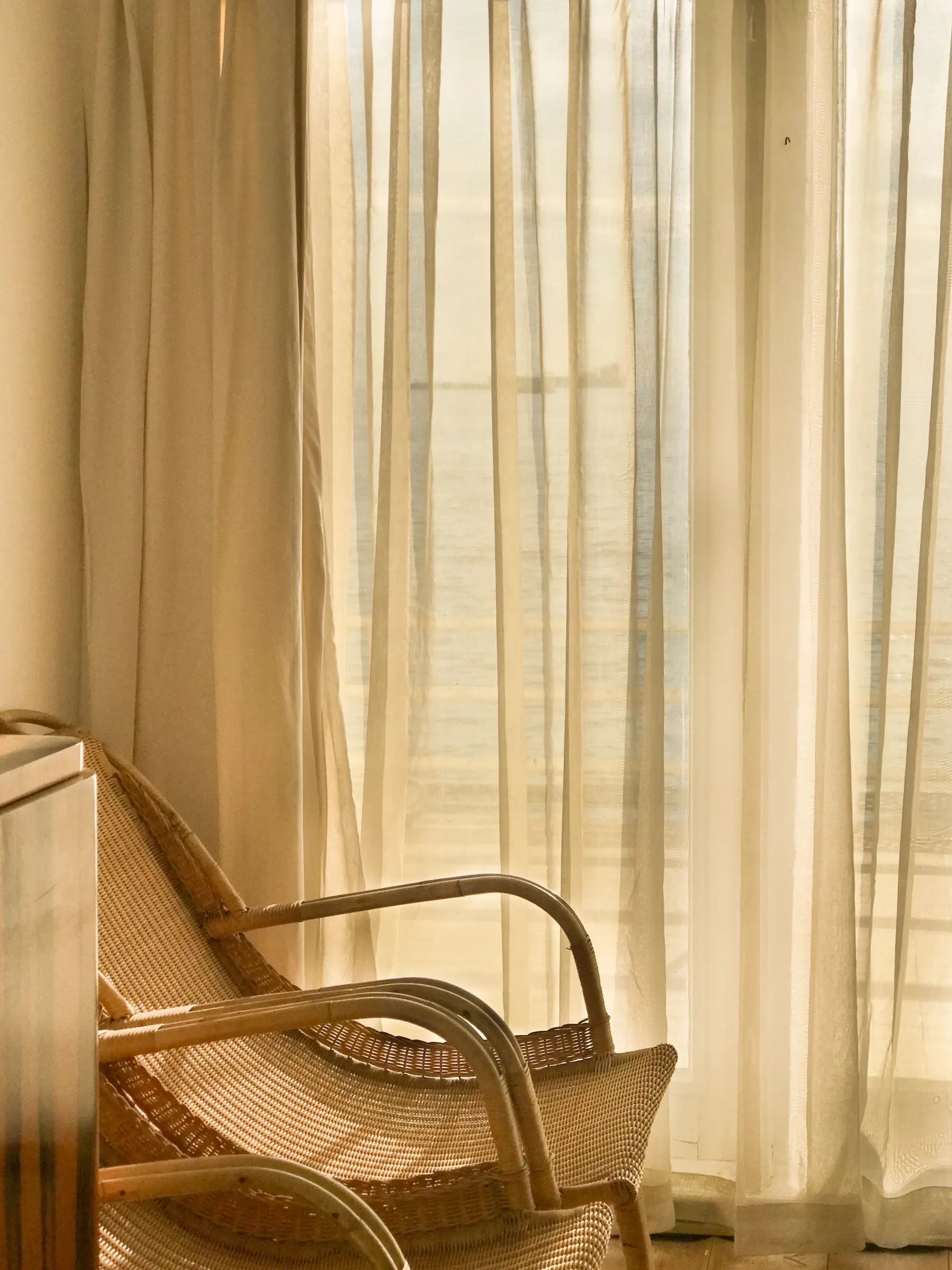
Tropical minimalism is a design philosophy that brings the practices of minimalism together with the materials, colours, shapes, and climate of the tropics.
June 25, 2026 · 9 min read
Tropical minimalism is a design philosophy that brings the practices of minimalism together with the materials, colours, shapes and climate of the tropics. It keeps only what is necessary, taking the land and its surroundings as its guide. It revolves around a simple yet fulfilling acts of living: lounging, dining, sleeping, walking and, simply, being.
We can begin to answer the question very simply, by asking what we truly need in order to live well. Tropical minimalism is led by the removal of everything unnecessary, and by designing a space so that the occupants in it are comfortable and are invited to experience the outdoors.
Tropical is the keyword. In a climate that is enjoyable year-round, spaces are designed for a life that moves freely between indoors and out, built from a harmonious blend of organic materials, textures, colours and shapes.
You can look to the land and its surroundings for inspiration. Design for the setting while keeping the needs and comforts of living intact, in a harmonious way. There is inspiration in abundance in the tropics: in the texture of boulders, the colours of nature and the way light moves across the day. The easiest place to begin is to make the wonderful weather part of daily life, and to look for material, colour and shape in the simplicity that surrounds you, without over-complicating it.
Tropical Is the Operative Word
Tropical is the operative word here.
In a climate that is enjoyable nearly every day of the year, there is little reason to design a home that keeps its occupants indoors. So the architecture and interiors are built, first, to draw people out into the open air, or simply to let them experience the outside from within.
This is where tropical minimalism begins.
The garden is not something to look at from behind glass. The terrace is not an afterthought. The breeze, the shade, the rain, the sound of birds, the warmth of the afternoon and the softness of evening light are not decorative details. They are part of the way the home is experienced.
A tropical minimalist home does not separate life indoors from life outdoors. It allows one to move into the other with ease.
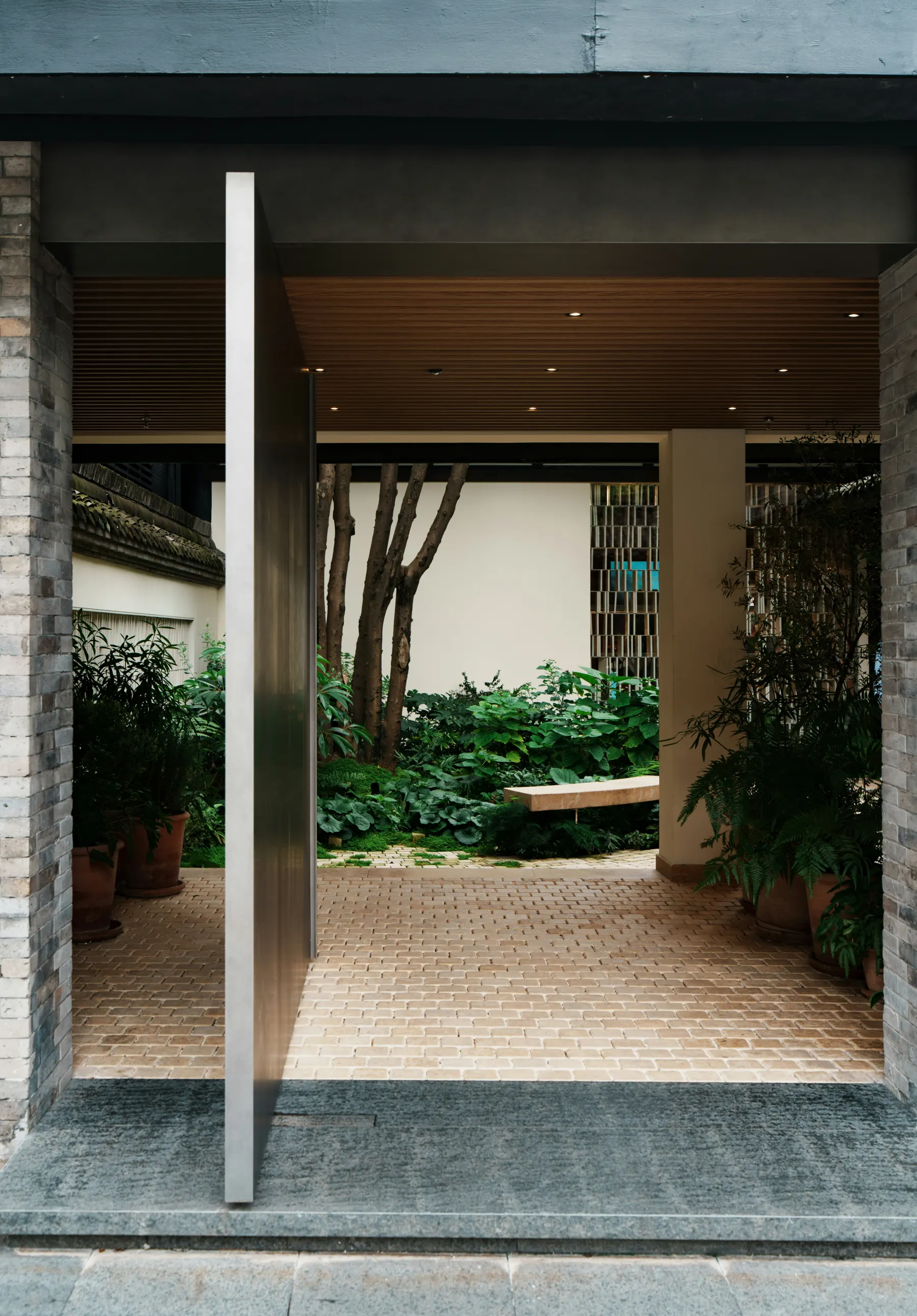
Doors open wider. Roofs extend further. Verandas become living rooms. Courtyards bring light and air into the plan. Dining moves between inside and out. Lounging follows the shade. The garden becomes part of the architecture.
In this way, the tropical home is designed with the climate and the nature surrounding it.
Minimalism, but With Warmth
Minimalism, in this context, is not emptiness. It is working with exactly what is required for living: essentials, enough for a joyful life.
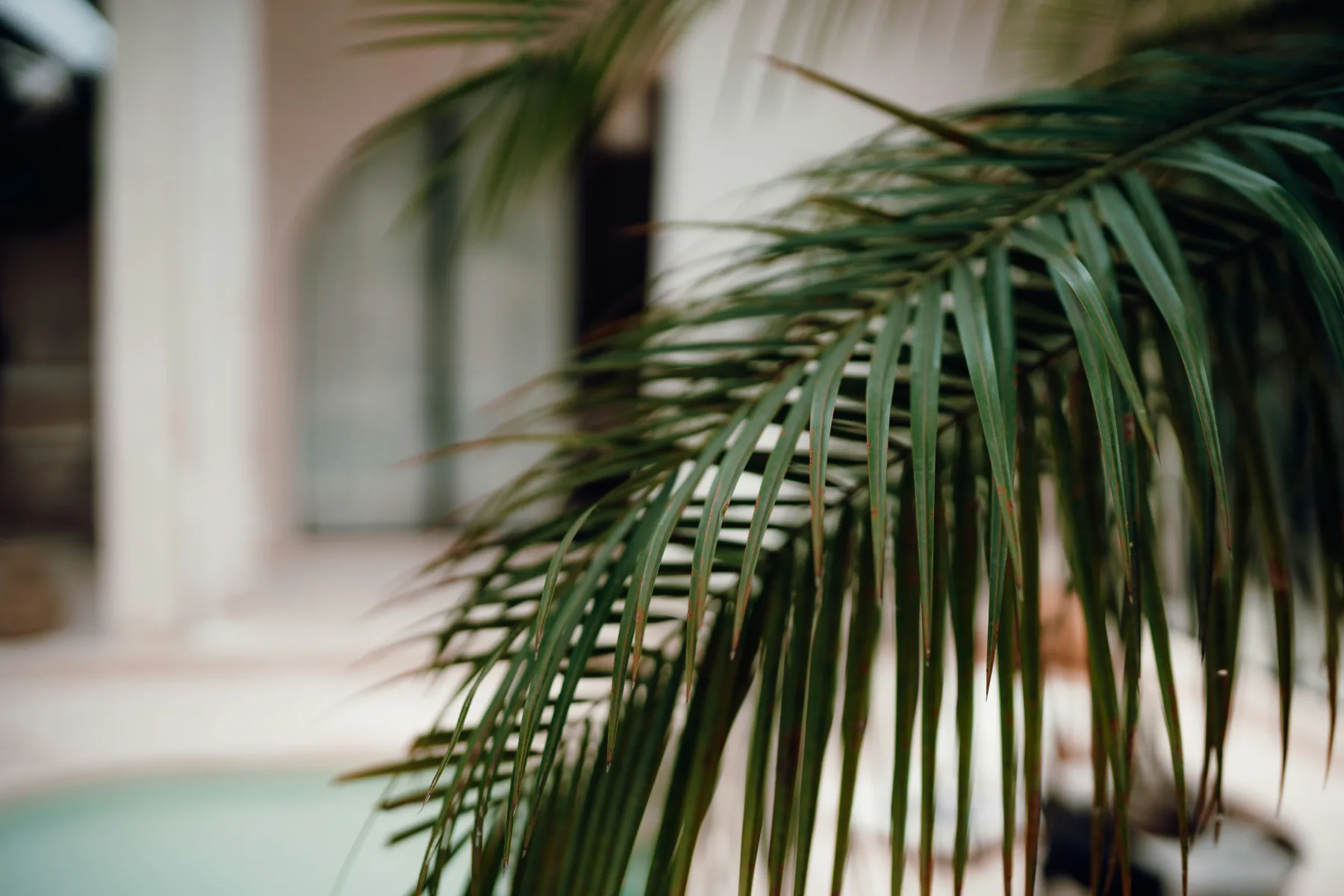
It is knowing what to leave out, so that what remains can be felt more clearly: the grain of timber, the surface of stone, the proportion of a doorway, the shadow of a palm across the floor, the view from a dining table, the feeling of bare feet on a cool surface, the path the wind travels as it moves through the house and cools it.
There is nothing performative about this kind of minimalism. It is not a room made bare for the sake of looking restrained. It is a home where every element has been considered, and where nothing exists only to fill space.
The result should feel light, airy and generous.
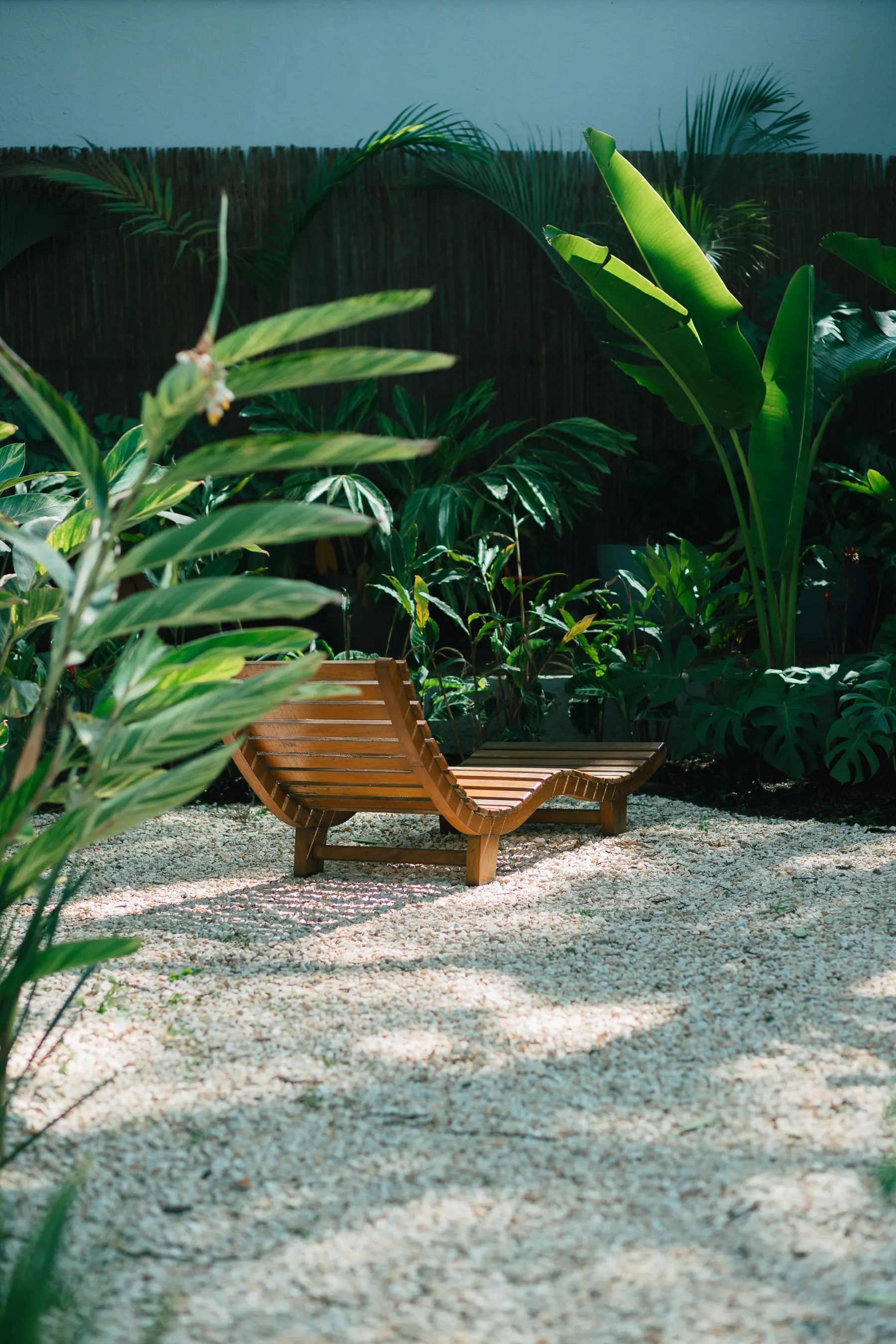
A tropical minimalist interior may be simple, but it should never feel lifeless. It can hold antiques, handmade objects, woven textures, natural fibres, timber furniture, clay vessels, old doors, repurposed furniture, art, books and flowers from the garden. The difference is that these things are chosen with care. The space is allowed to breathe.
This is what separates tropical minimalism from a generic minimalist aesthetic. It is not an imported style. It comes from climate, landscape, material and daily life.
The Land as the Guide
In tropical minimalism, the land is the first reference.
Before a colour palette, before furniture, before finishes, there is the site: the trees already growing, the direction of the wind, the path of the sun, the terrain of the land, the quality of the soil, the existing walls, the old materials, the view worth keeping.
The land tells you more than a moodboard ever could.
A house that listens to its setting can feel as though it belongs, even when the design is modern and refined, made as much for the land as for its occupants.
The surrounding land has a great deal to say: the colour of the soil, the formation of boulders, trees that look almost sculptural, a view framed by a window, the materials around you offering their own colour and texture, the terrain itself, what is already there and worth preserving. The natural ecosystem will shape the space more than what first meets the eye.
The most beautiful tropical minimal homes often feel inevitable, as though they could not have stood anywhere else.
Materials That Belong
Materials matter deeply in tropical minimalism, they carry the atmosphere of the space.
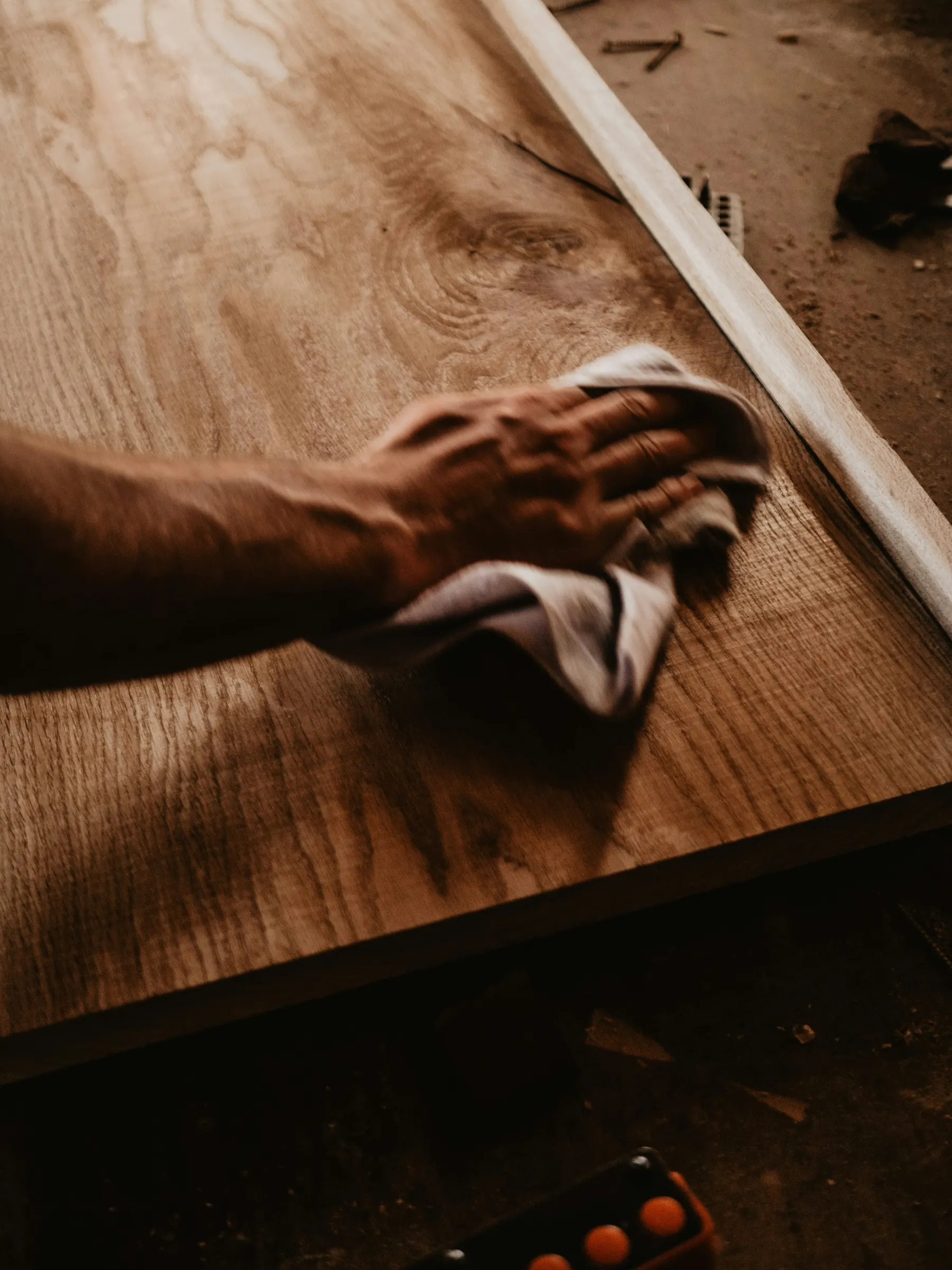
Timber, stone, limewash, rattan, cane, linen, terracotta, polished cement, granite and woven fibres all have a natural place in tropical interiors. The point is to choose what belongs.
A material should make sense in the heat and humidity. It should age well. It should feel good to the touch. Rather than merely enduring the climate, it should belong to it, and make those who live with it feel instantly at ease.
The materials of tropical minimalism also reach toward kindness to nature: how they are sourced, and how they affect the world around us once they are sourced.
Natural materials such as teak, mahogany, brass, copper, reed, jute, granites, clay are widely used in tropical minimalist spaces to keep the coolness and to tollerate the humid weather.
Colours Of Tropical Minimalism
The palette is often already there in the surrounding landscape: wet stone, dry grass, moss, coconut fibre, cinnamon bark, old roof tile, sand, palm trunks, paddy fields, garden greens, monsoon skies, or a striking flower from the garden itself.
Colour does not need to be forced when the setting already provides so much. The natural tones give way, letting the life outside take the light. The reflection of branches, the electric green after the rains, the warm hue of the setting sun, all of it stirs the natural colours of the space until they seem to glow, drawing you into something almost otherworldly.
This is why tropical minimalism rarely depends on strong artificial colours. The landscape provides the variations.
Tropical Minimalism Is Beyond Simplicity
Simple forms are central to tropical minimalism: deep overhangs, shaded terraces, generous openings, clean lines, courtyards, open living spaces, long views, rooms that breathe.
But simplicity is not the same as plainness.
A simple room can still be calming to the eye and yet fulfilling, with just the right amount of furniture. It might be a sofa placed exactly to catch a sunset across the tropical landscape beyond, so inviting that it is almost hard to walk past without wanting to sit and take it all in for a moment. The interior is not loud; it is simple and composed.
Every opening must earn its place. Every piece of furniture must support the way people live. Every material must sit comfortably beside the next. Every line must feel relevant.
The beauty lies, ultimately, in how fully people use the space, drawing the most from it precisely because there is no excess.
Indoor-Outdoor Living as a Way of Life
In tropical design, indoor-outdoor living is often spoken of as a luxury. In tropical minimalism, it is more essential than that. It is the point.
A shaded terrace may become the most used room in the house. A garden path may shape the experience of arriving at the space. A courtyard may matter more than a decorative wall. A pool may be less about display and more about the simple pleasure of cooling down in the afternoon.
The home should support the natural rhythm of the climate.
Morning light. Midday shade. Afternoon rest. Evening air. Rain arriving suddenly and passing through. Doors left open. Fans moving slowly. People gathering where the breeze is best.
This kind of living does not require much. But it does require thoughtful simplicity.
A More Essential Kind of Beauty
The beauty of tropical minimalism is that it allows nature to take the lead.
When a home is too decorated, the eye has nowhere to rest. When too many materials compete, the landscape becomes secondary. When every corner is styled, the home begins to feel less like a place to live and more like a set.
Restraint in tropical minimalism is soothing to the eye.
A single timber table and chairs comfortable enough to sit in for hours can be enough. A shaded veranda can be enough. A bedroom can feel complete with great proportions, natural materials and a view of trees moving to the rhythm of the wind.
It is about allowing beauty to feel effortless.
The Heart of Tropical Minimalism
Tropical minimalism is ultimately not only about minimally designed architecture or interiors. It is where a way of life meets the place that inspires it.
It values space over clutter. Air over enclosure. Shade over decoration. Timeless, natural materials over trends. Ritual over display. A space that opens outward rather than turning in on itself.
It reminds us that a space does not need to be filled to feel complete.
It needs places to sit, eat, sleep, bathe, walk, gather and look out. It needs materials that belong, and simplicity that put its occupants immediately at ease. It needs a relationship with the land to support the life that happens there every day.