Small Tropical Homes: How Tropical Minimalism Helps You Live Better With Less
A smaller tropical home can feel generous when it is designed for light, airflow, natural materials and a life that extends outdoors.
Tropical Minimalism · · 7 min read
Small tropical homes become more generous when light, planting and climate are treated as part of the plan.
One of the greatest misconceptions about tropical minimalism is that it only works in large villas with expansive gardens and endless views.
In reality, tropical minimalism may be even more valuable in a smaller home.
At its core, tropical minimalism isn't about the size of a house. It is a way of thinking. It asks a simple question: what does a home actually need to support a comfortable life in the tropics?
The answer is rarely more rooms, more furniture or more possessions. Instead, it is better light, better airflow, honest materials and a stronger connection to the outdoors.
Whether you live in a compact beach house, a small city home or a modest bungalow, the principles remain exactly the same.
Design for the Climate Before the Square Metres
Tropical minimalism begins with the climate, not the floor plan.
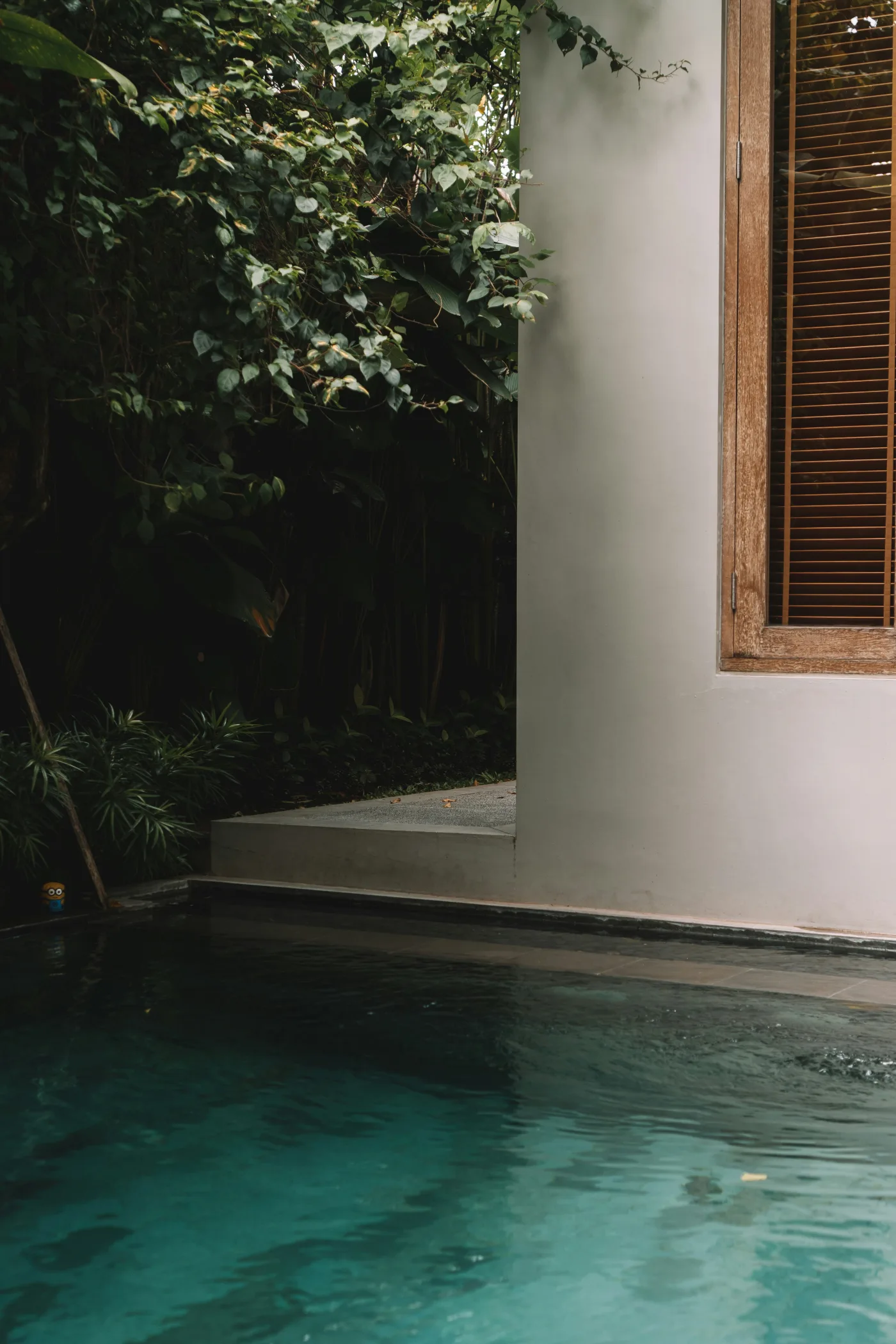
A home that captures natural breezes, welcomes daylight and opens towards a small courtyard will often feel more generous than one twice its size with enclosed rooms and poor ventilation.
Rather than asking how much space you have, tropical minimalism asks how well that space responds to its environment.
When architecture works with the climate, the home naturally feels larger.
02
Let the Outdoors Become Another Room
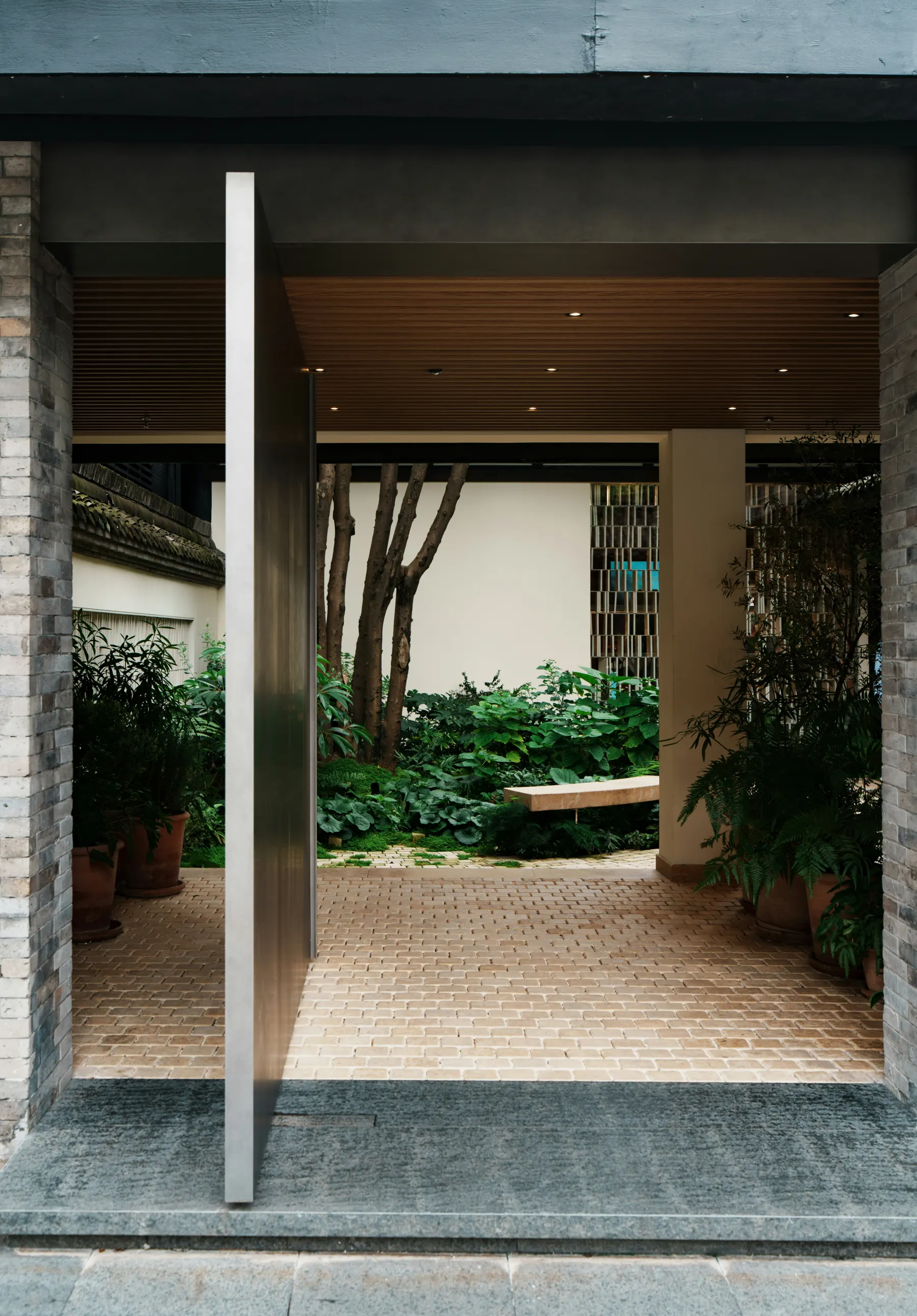
One of the defining principles of tropical minimalism is that living doesn't stop at the walls.
A shaded veranda, a courtyard, a small balcony or even a pocket garden becomes an extension of the living room. By allowing everyday life to spill outdoors, the interior no longer needs to accommodate every activity.
Even the smallest tropical home can feel expansive when nature becomes part of its floor plan.
03
Own Less So Your Home Can Breathe
Tropical minimalism is not about empty rooms.
It is about removing everything that distracts from the architecture, natural light and materials.
Every unnecessary piece of furniture makes a small home feel smaller. Every carefully chosen object gives it room to breathe.
Instead of asking "Where can I fit another cabinet?", ask "Do I actually need it?"
Often, the answer transforms the room.
04
Choose Furniture That Earns Its Place
In tropical minimalism, every piece of furniture should justify the space it occupies.
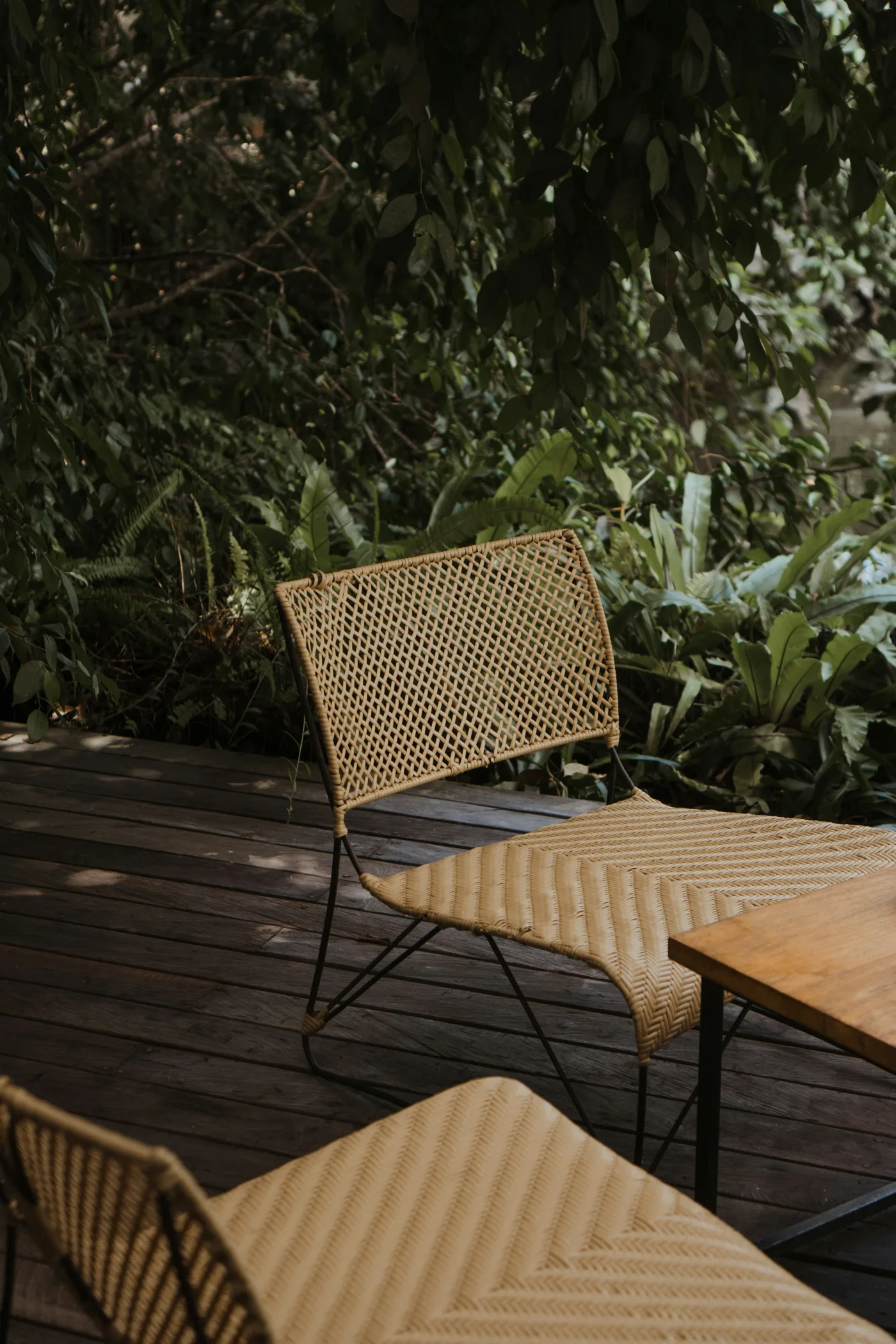
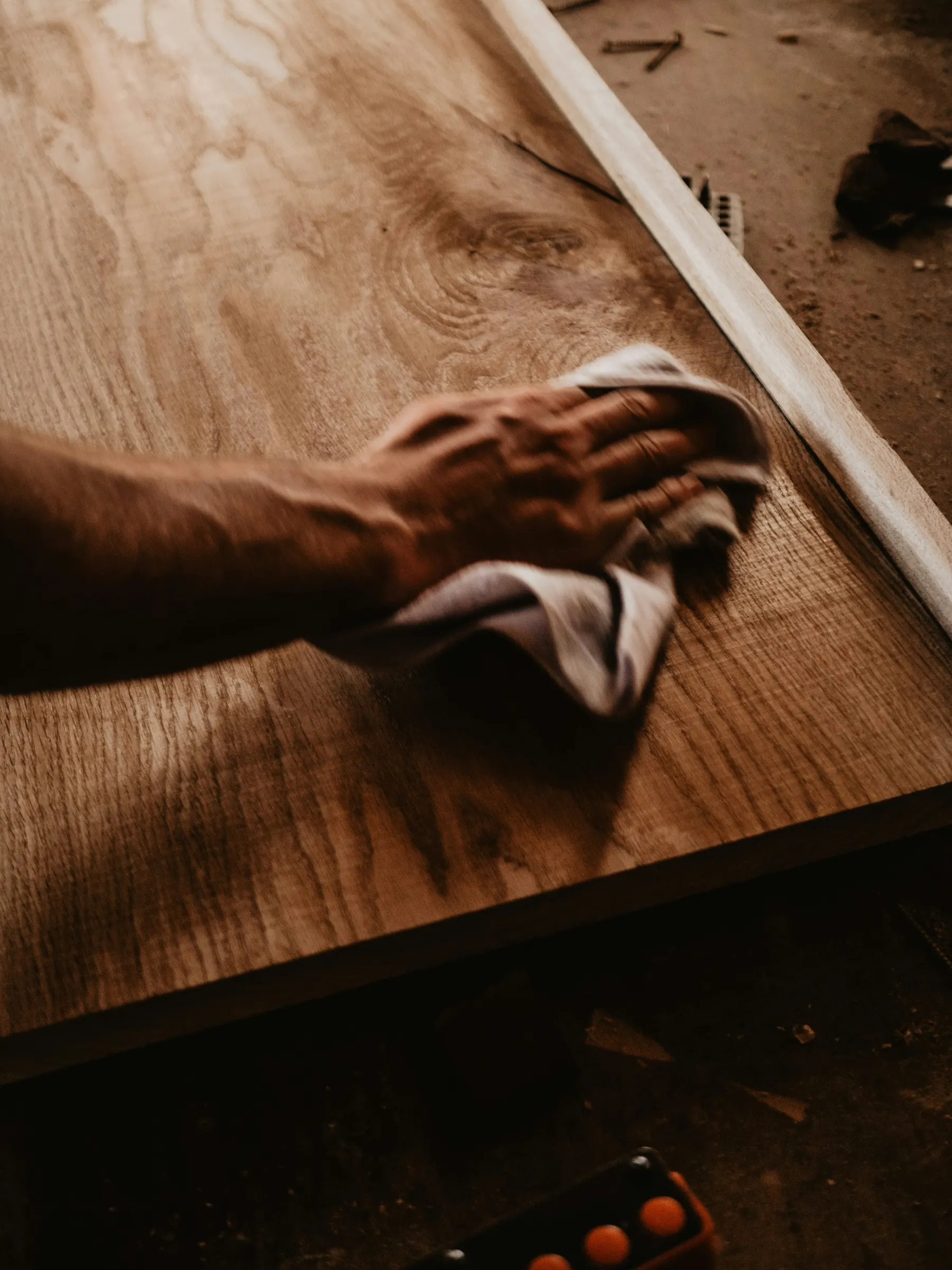
A beautifully crafted timber dining table used every day is worth far more than several occasional tables that simply fill corners.
The philosophy encourages buying fewer pieces, but choosing them well.
Quality becomes more important than quantity.
Build Around Natural Materials
Natural materials become even more important in compact homes.
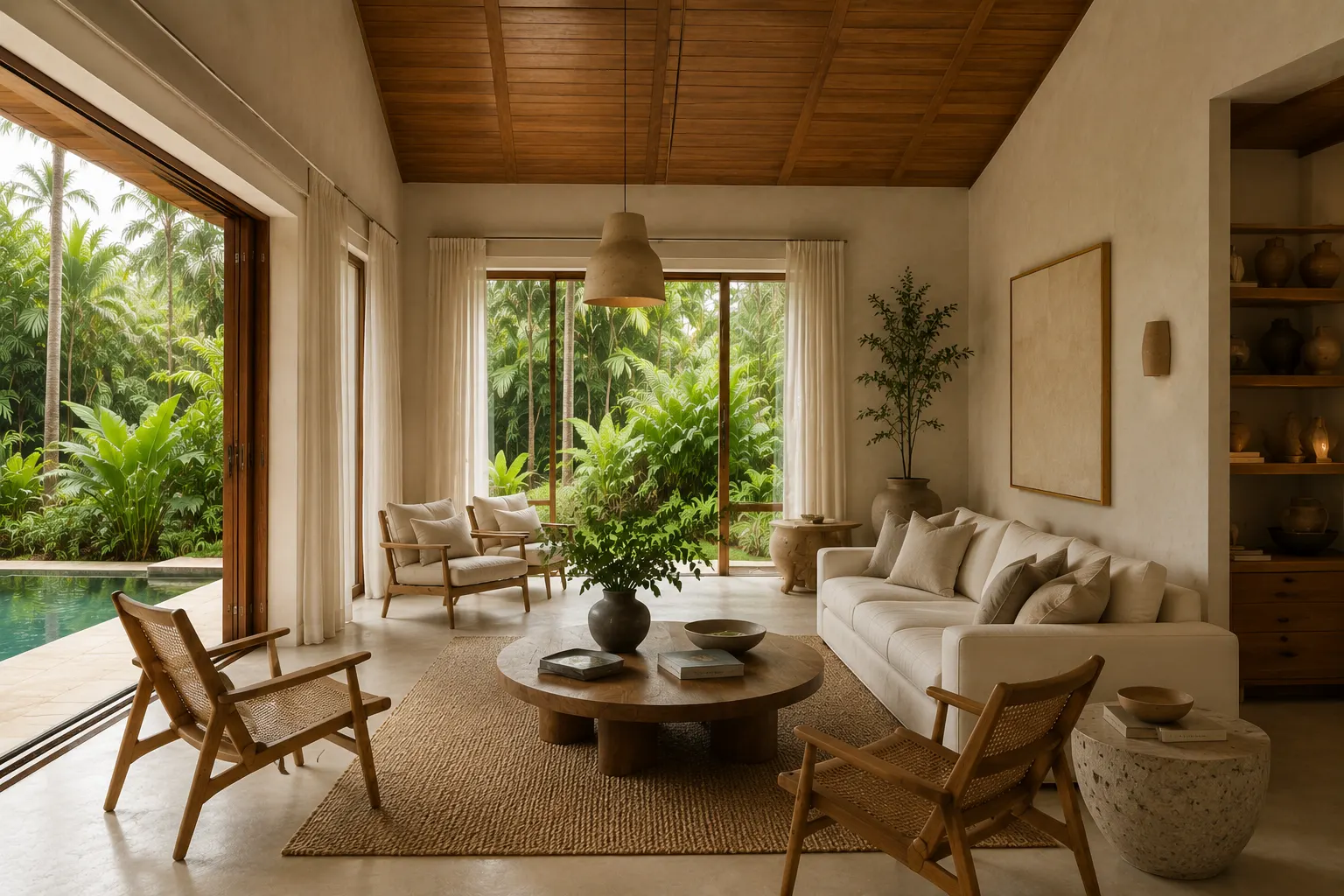
Linen, rattan, solid timber and natural stone introduce warmth without adding visual weight. Their textures create richness while allowing the palette to remain calm and pared-back.
This is one of tropical minimalism's defining characteristics: relying on materiality rather than decoration.
Let Empty Space Become Part of the Design
Many people see empty space as something waiting to be filled.
Tropical minimalism sees it differently.
Negative space allows furniture, artwork and natural light to stand out. It gives the eye somewhere to rest and makes even modest rooms feel open and balanced.
Empty space is not unused space. It is an essential design element.
Borrow Colour From Nature
Tropical minimalism doesn't avoid colour.
It simply borrows it from the landscape.
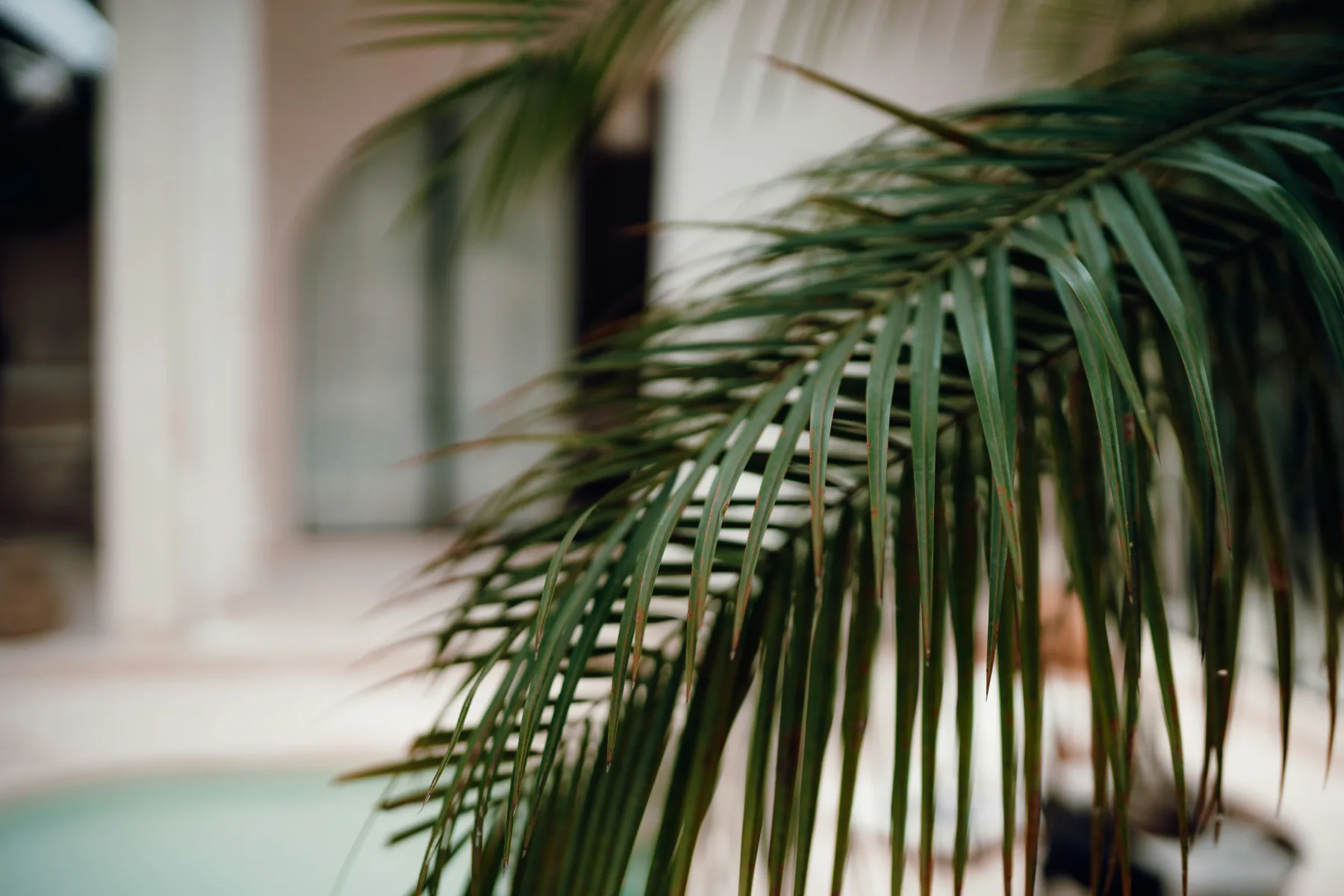
Instead of introducing bright furniture or decorative accessories, allow surrounding greenery, tropical flowers and natural materials to provide richness.
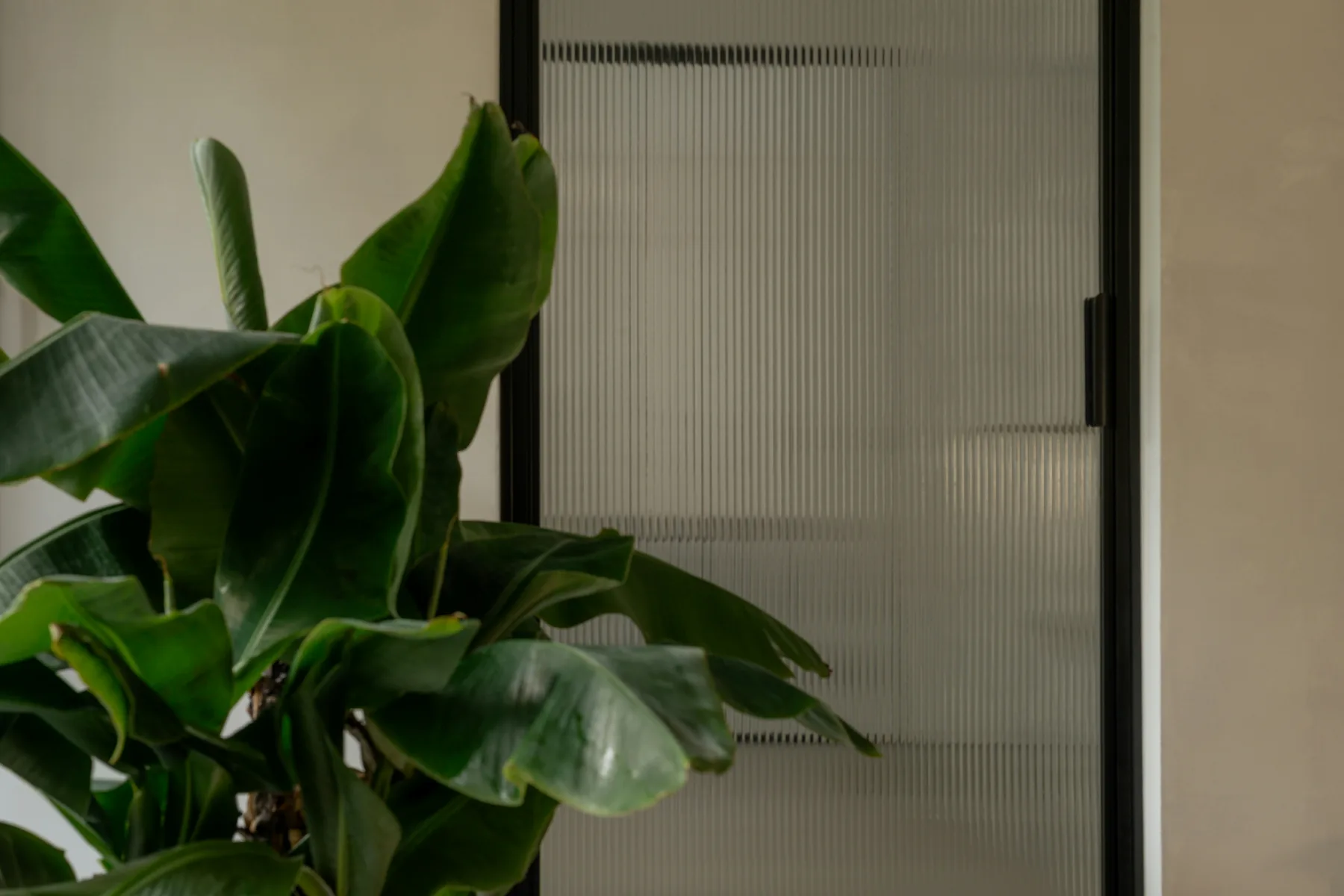
A home framed by palms, banana leaves or flowering trees already has more colour than it needs. The interior simply provides a quiet backdrop.
Design for Comfort, Not Consumption
Living with less is often misunderstood as giving something up.
Tropical minimalism suggests the opposite.
By reducing unnecessary possessions, maintenance and visual clutter, you create more room for what matters most: conversation, slow mornings, family meals, reading on the veranda and time spent outdoors.
A smaller home becomes richer because your life expands beyond its walls.
Tropical Minimalism Isn't About Size
Perhaps this is the most important lesson.
Tropical minimalism is not reserved for award-winning villas or architect-designed homes.
It can be applied to a studio apartment overlooking a courtyard, a compact beach cottage or a family home in the suburbs.
The philosophy has never been about square metres.
It has always been about designing thoughtfully, choosing carefully and allowing the tropical landscape to shape the way we live.
When you embrace those principles, even the smallest home can feel generous.