16 Creators to Discover at Goldsmiths’ Fair 2026 in London
From experimental jewellery and contemporary silversmithing to traditional techniques reinterpreted through new materials, these are 16 creators to look out for at Goldsmiths’ Fair 2026 in London.
September 13, 2026
Ane Christensen
For more than four decades, Goldsmiths’ Fair has brought contemporary jewellery and silversmithing to Goldsmiths’ Hall in London. The 2026 edition brings together 138 exhibitors across two weeks, presenting work by contemporary jewellers and silversmiths working with precious metals through a wide range of techniques and materials.
Across this year’s programme, traditional hand skills sit alongside digital fabrication, unconventional materials and new interpretations of established techniques. Here, Tropical Minimalism selects 16 creators to discover across both weeks of Goldsmiths’ Fair 2026.
Week One — 22–27 September
Kasun Ekanayake
Born in Sri Lanka and raised in New Zealand, Kasun Ekanayake studied industrial design before learning jewellery manufacture and design under goldsmith Graham Shirley. He later moved to the UK and established Kasun London in 2011.
His collections draw on his life and experiences in London, with a design language that the studio describes as playful and sometimes quirky. Ekanayake’s background brings industrial design and jewellery-making together within a contemporary fine jewellery practice.
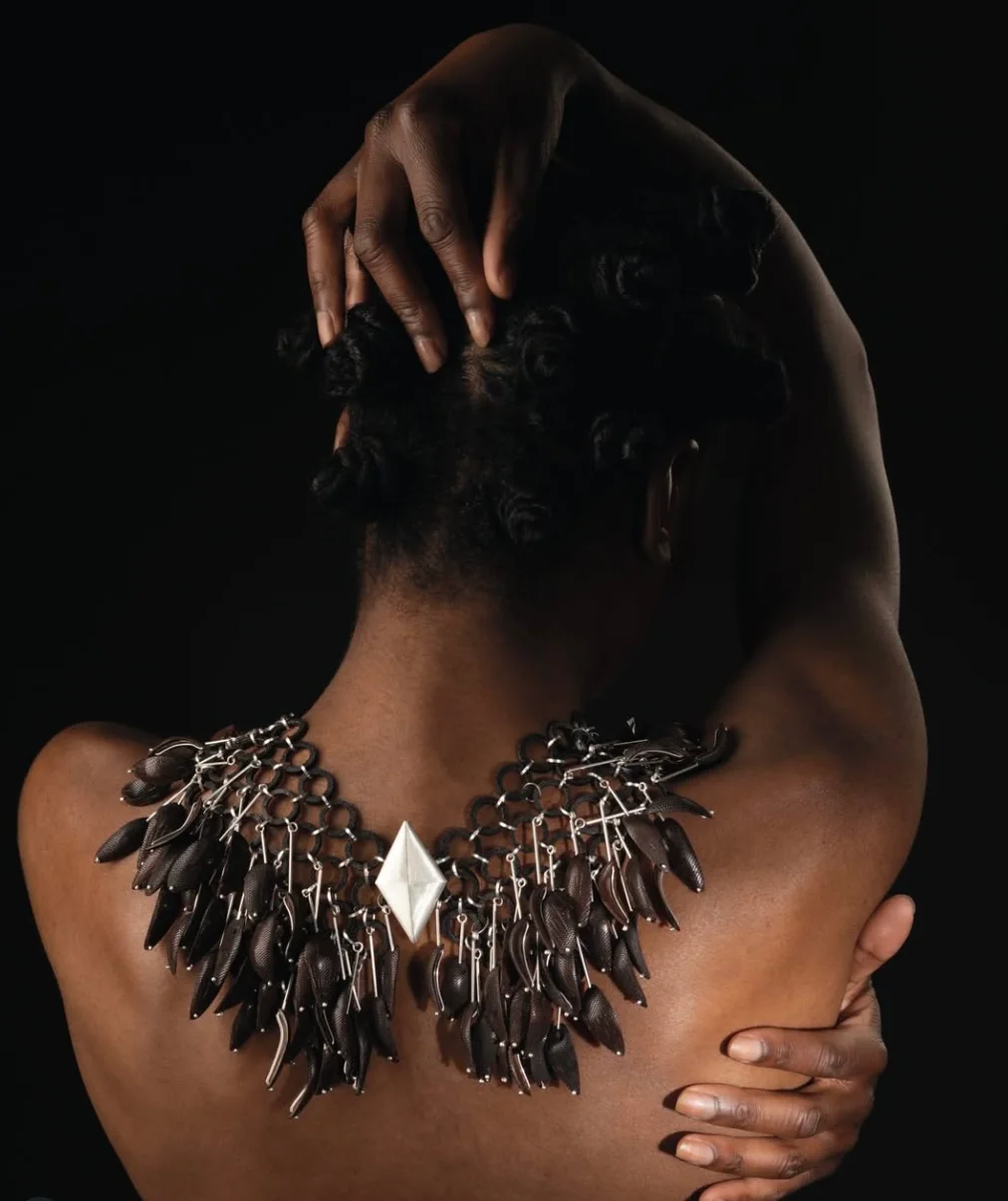
Makila Nsika creates contemporary jewellery through her practice M.kala, bringing together cultural memory, material experimentation and references to Congolese visual language and making traditions.
She collaborates with artisans in Congo while exploring unconventional organic materials, including palm nut kernel as an alternative to endangered precious woods. Her work considers how inherited craft knowledge and cultural references can continue within a contemporary jewellery practice rather than remaining fixed in the past.
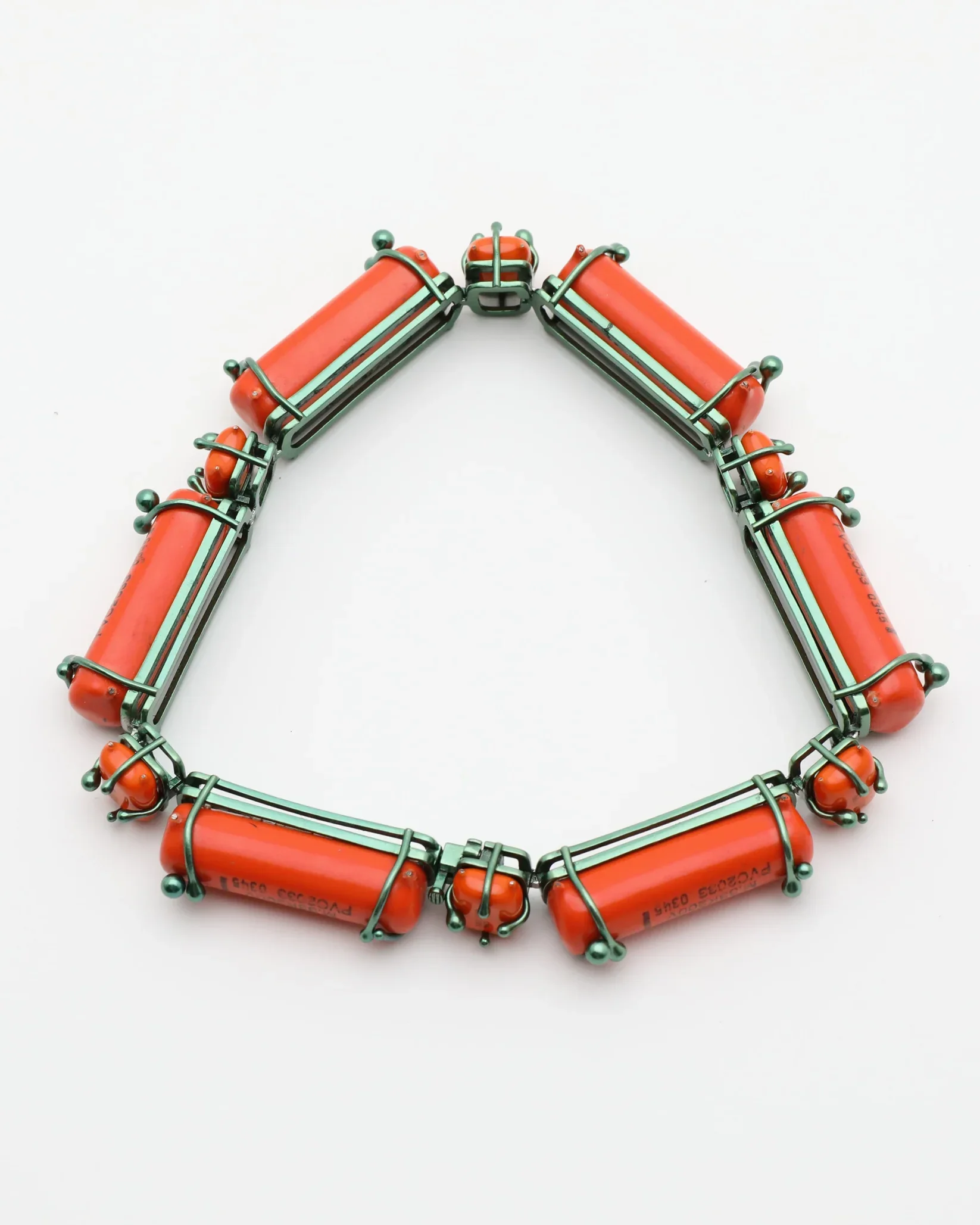
Discarded electronic components become jewellery in Xinyi Chen’s practice.
Chen repurposes e-waste including diodes and vintage capacitors, setting the components into silver mounts and combining traditional metalsmithing with digital fabrication. She calls these works Artificial Intelligems, using remnants of everyday technology to examine material value, waste and our relationship with the digital world.
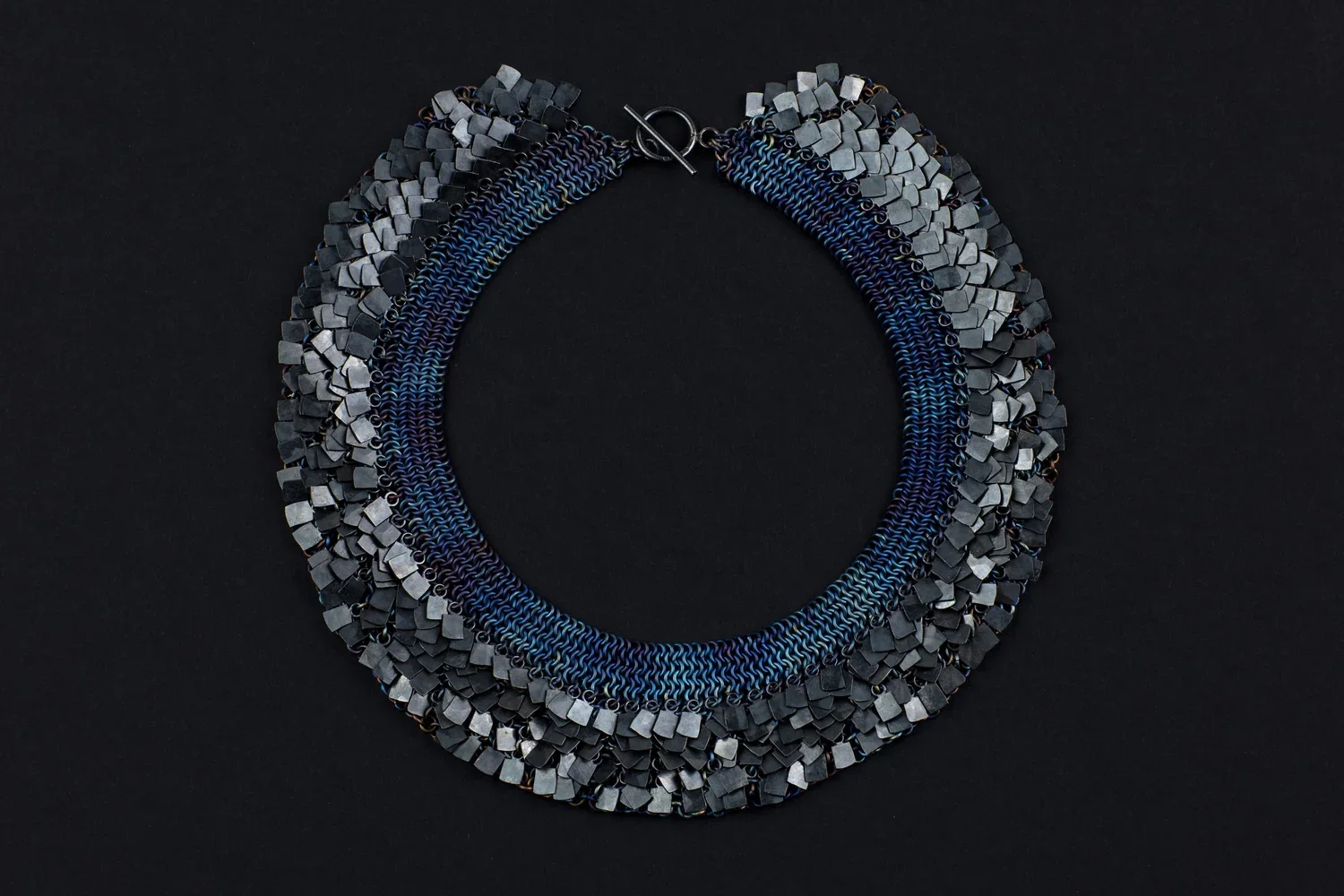
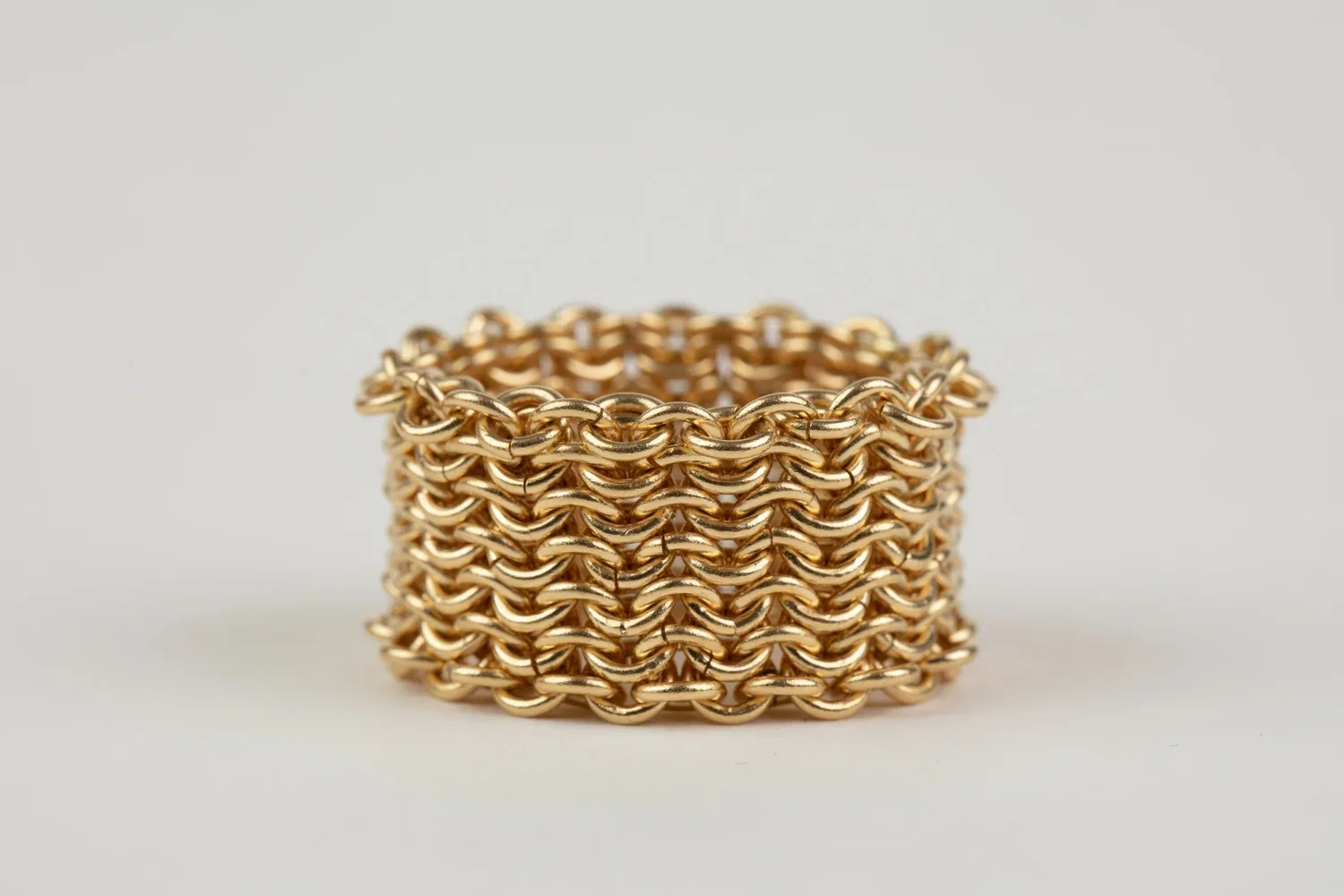
Alison Evans is known for jewellery constructed from individually handmade chainmail links in gold, silver and titanium.
By repeatedly linking metal rings, Evans creates surfaces that move and fall with a textile-like fluidity. Her practice centres on transforming hard metal into flexible structures, with precious and semi-precious stones introduced across rings, necklaces and earrings.
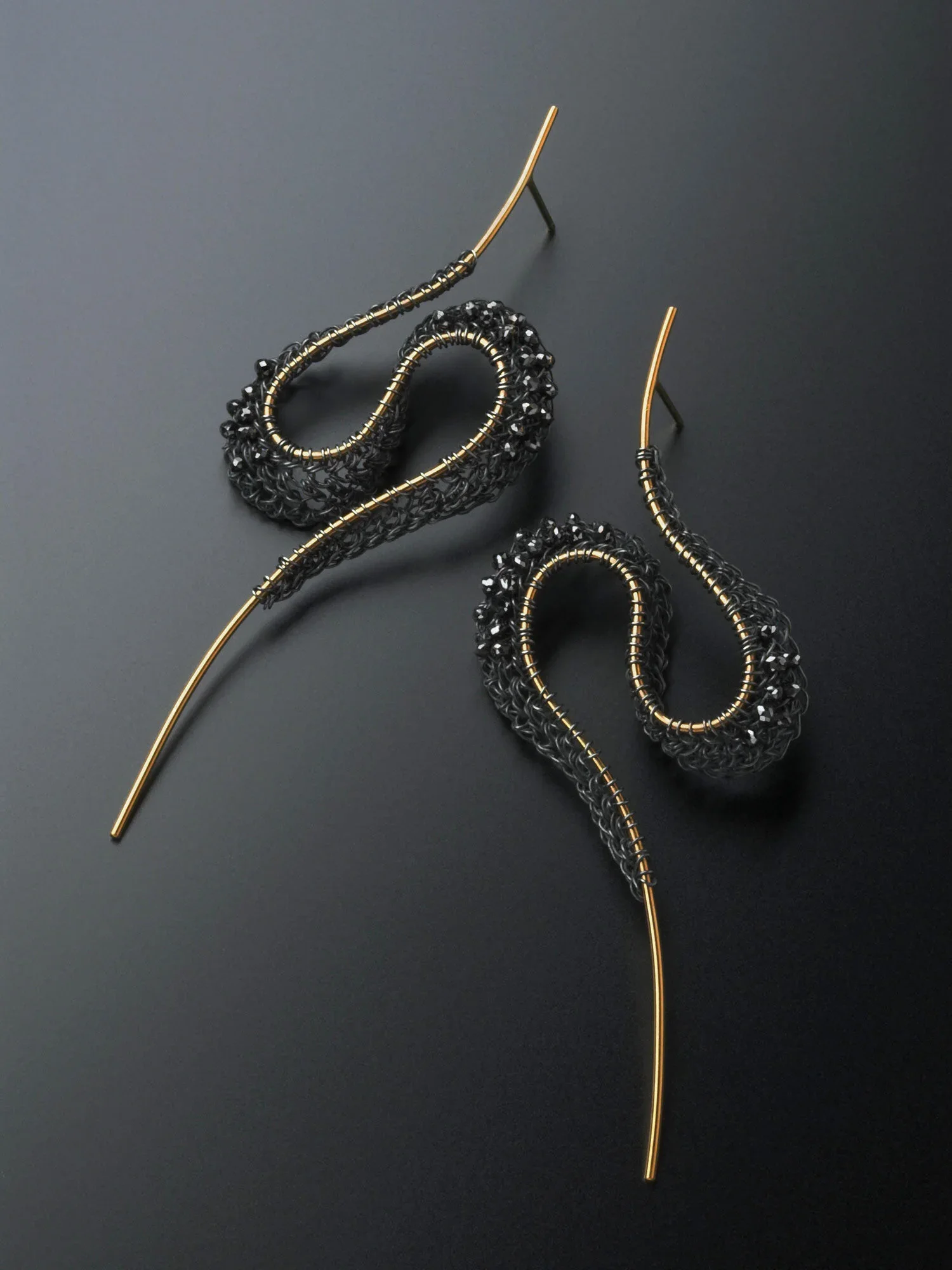
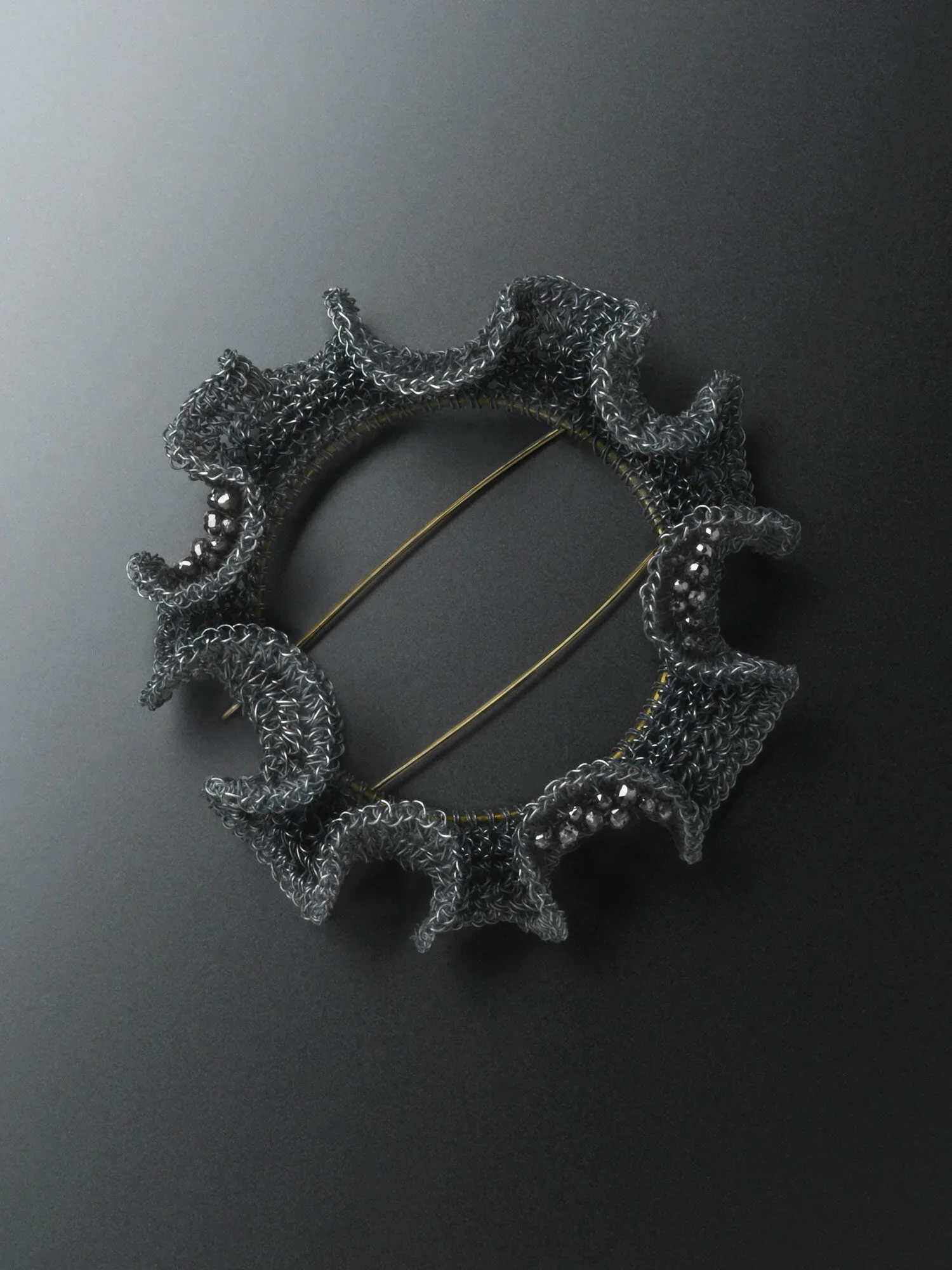
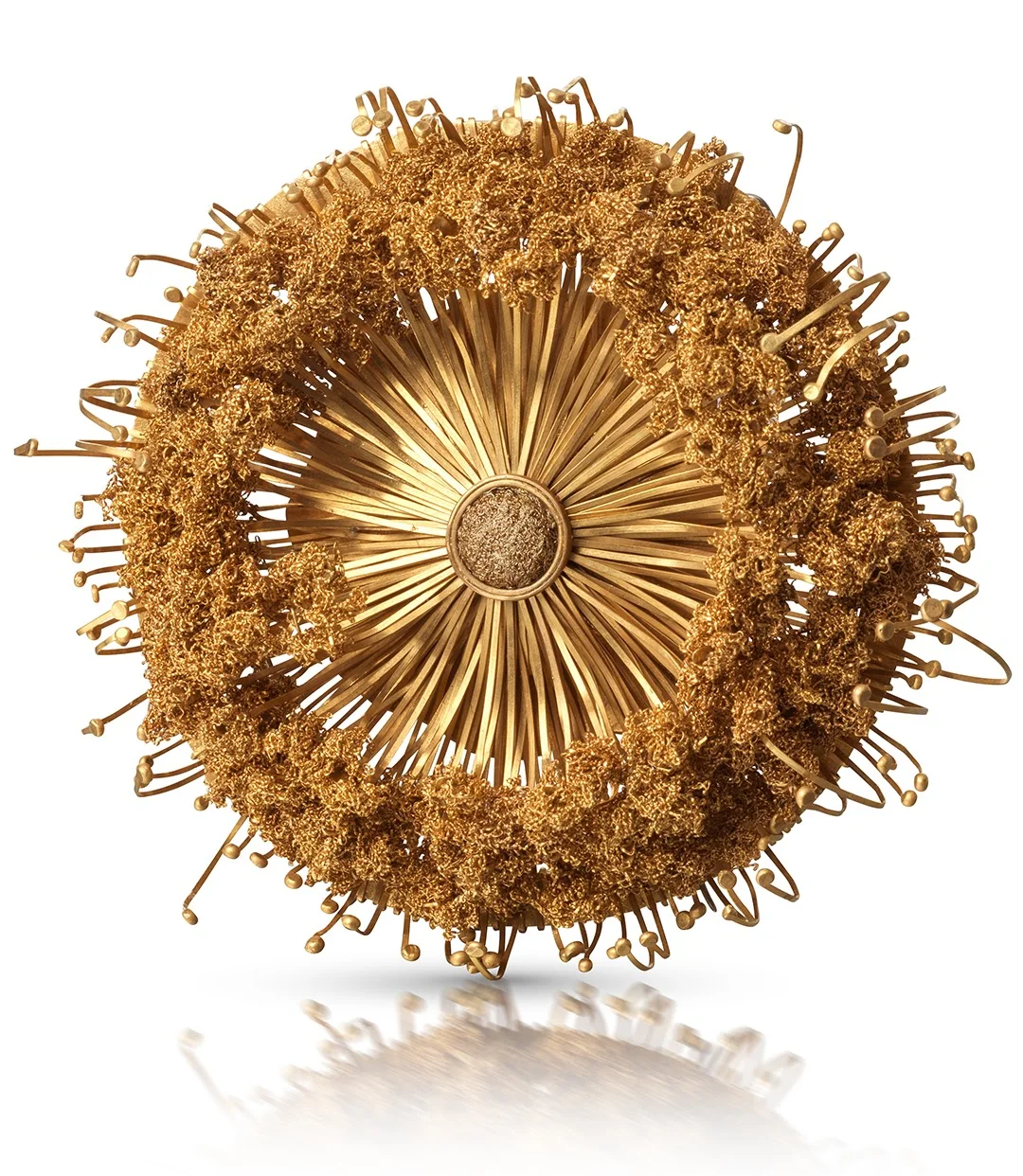
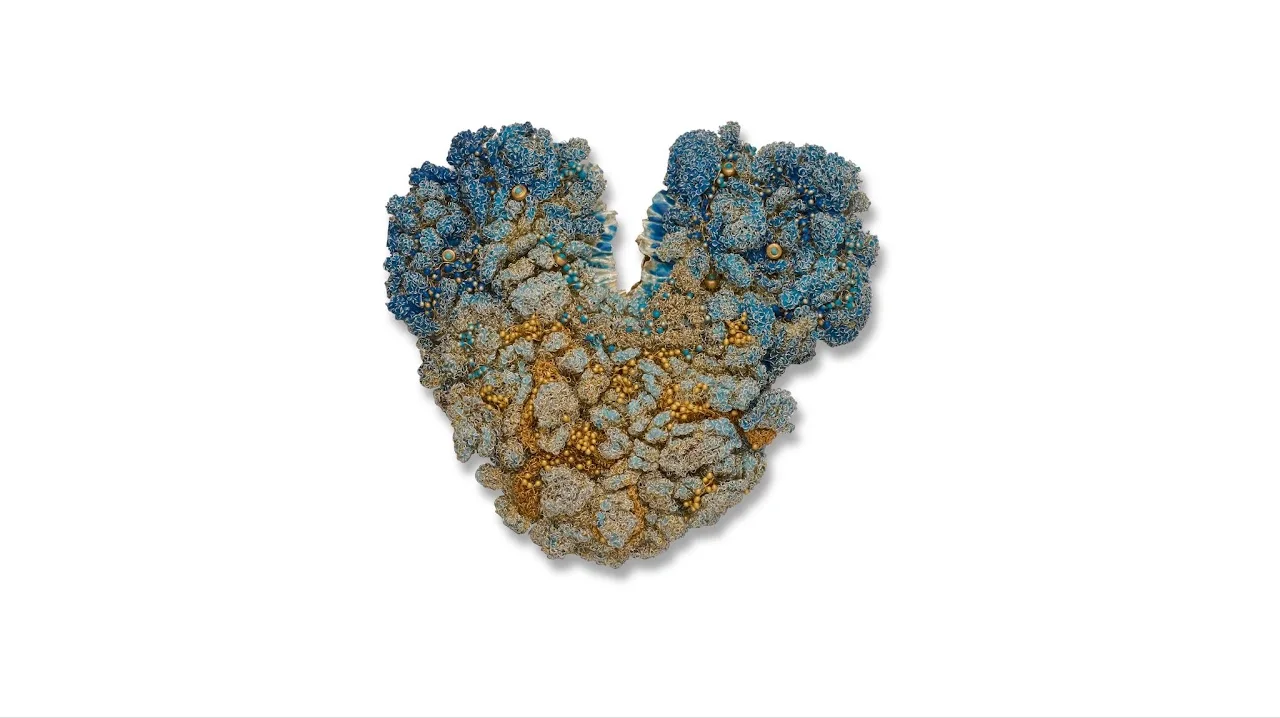
Teri Howes translates techniques traditionally associated with textiles into precious metal.
Using fine gold and silver wire as thread, she works with crochet, knitting and French knitting to create jewellery characterised by folds, drapes and intricate surface texture. Howes continues to use antique crochet hooks in her making process, connecting contemporary jewellery with long-established hand skills.
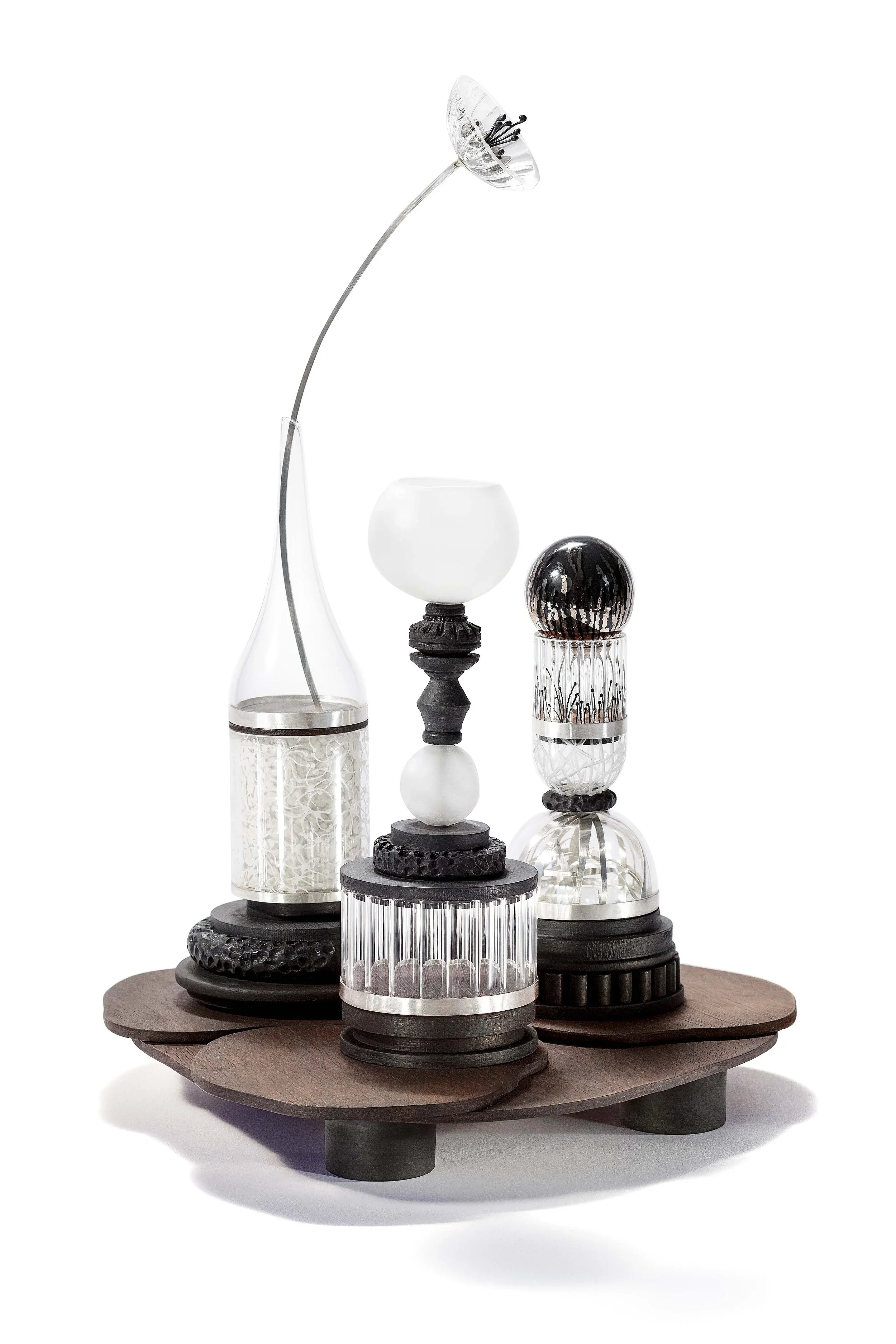
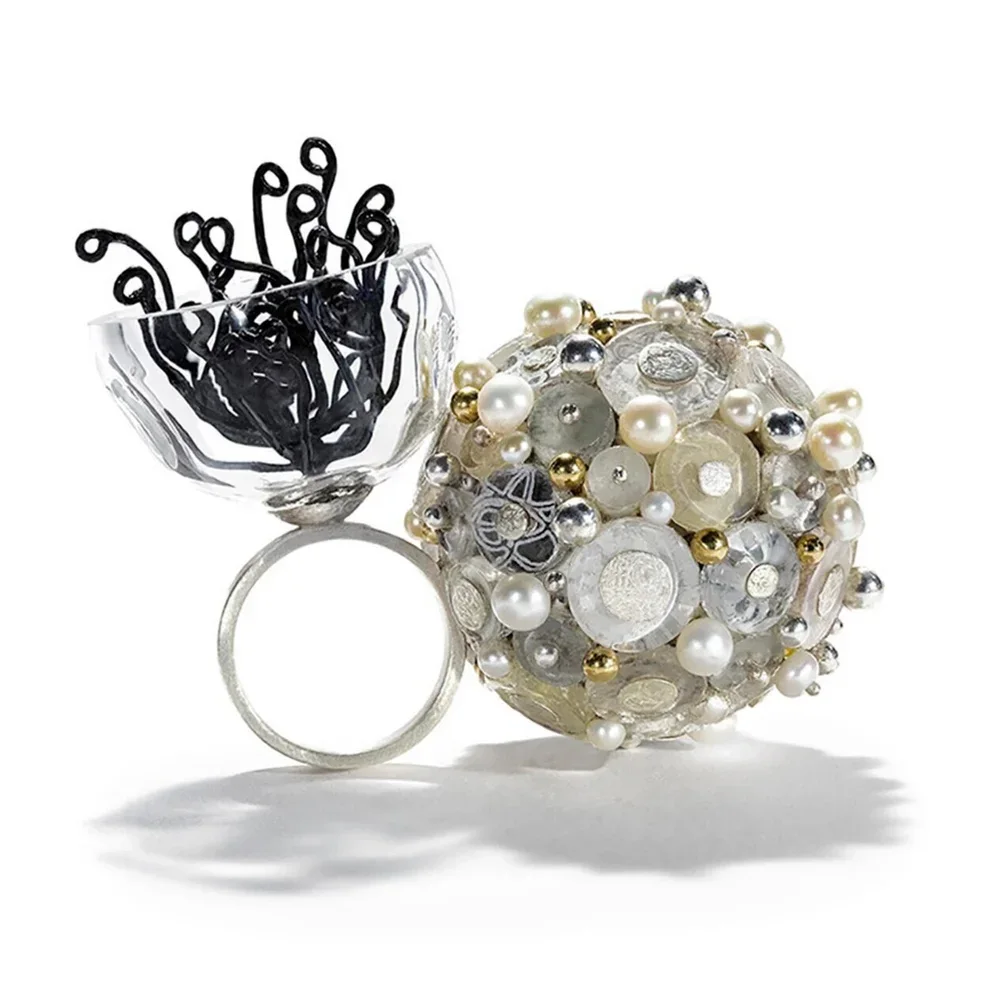
Jed Green works between jewellery, sculpture and object-making.
Her ongoing Wear/Display series explores what happens to jewellery when it is not being worn. Pieces can function as sculptures or containers, while individual elements can be removed and worn on the body. Glass is combined with silver, gold, wood, pearls and paper, allowing jewellery and display object to exist within the same work.
Movement, structure and touch are central to Yen Duong’s jewellery.
Her practice examines how the construction of a piece affects the way it feels and moves when worn. The jewellery is deliberately tactile, encouraging interaction while using physical movement and visual fluidity as part of the design itself.
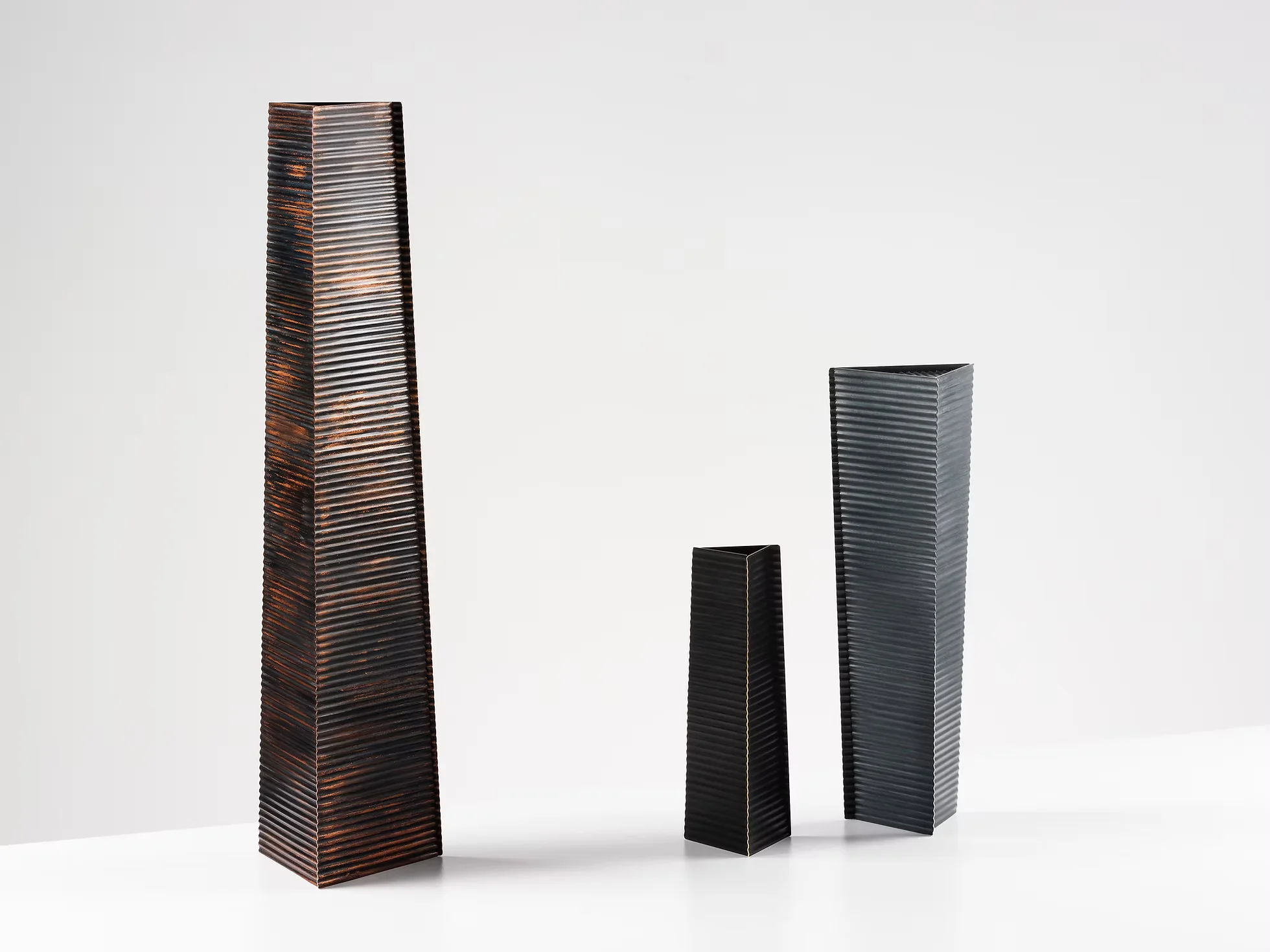
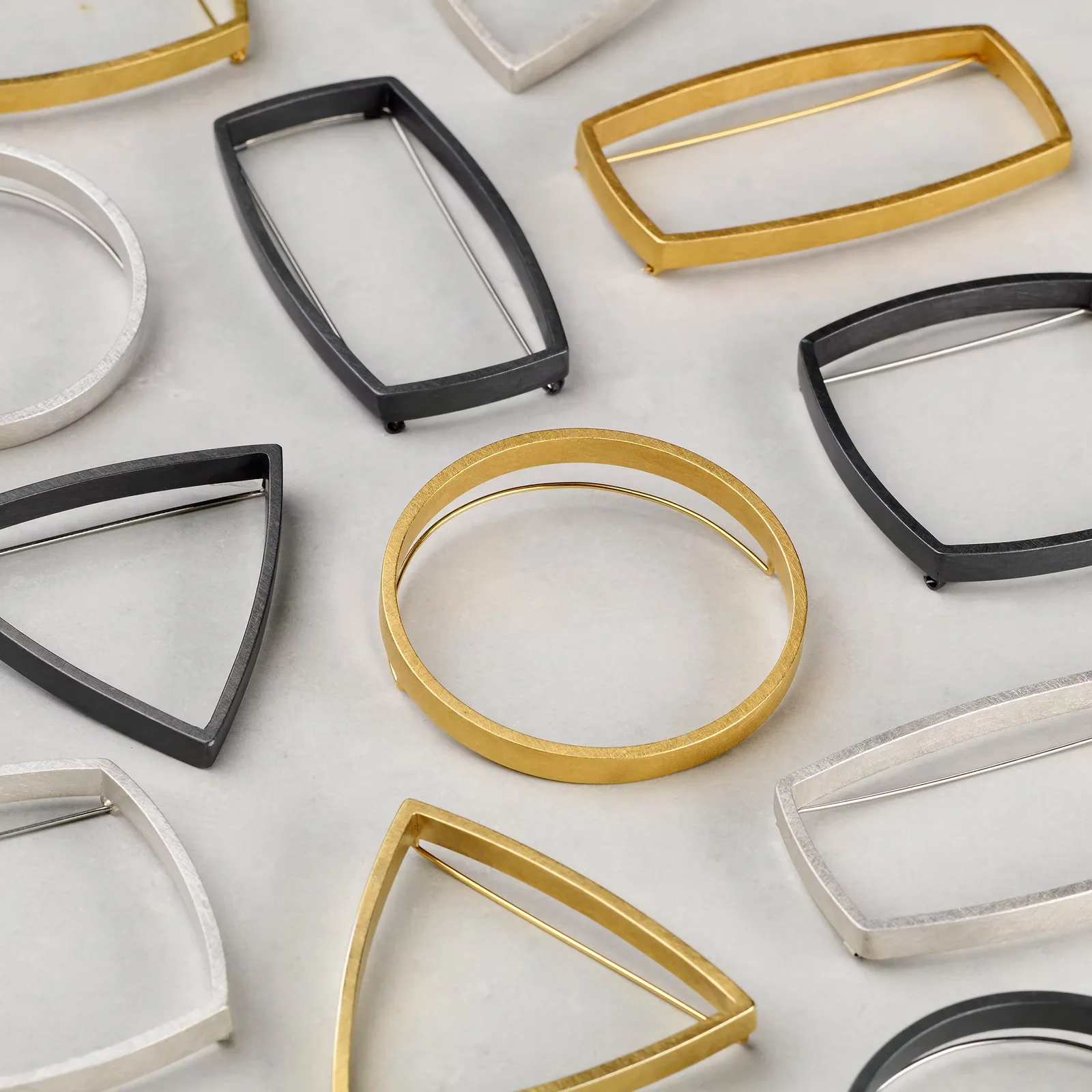
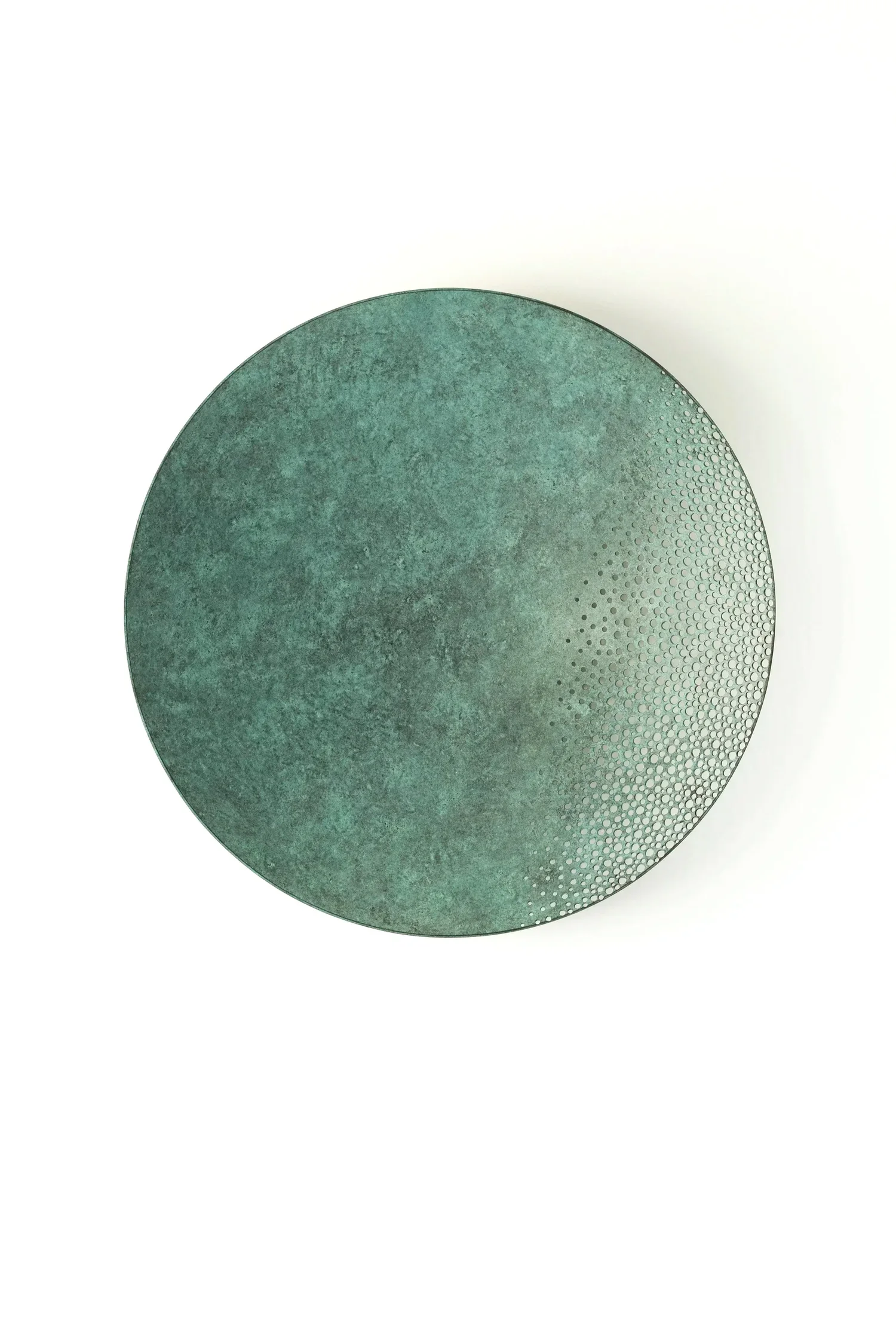
Sheng Zhang’s jewellery and silversmithing are influenced by minimalist art, contemporary architecture and geometric form.
Across vessels, containers and jewellery, Zhang explores relationships between internal and external space, volume, silhouette, shadow and positive and negative space. His making combines traditional metalworking skills with selective use of digital technologies, with particular attention given to precision and controlled construction.
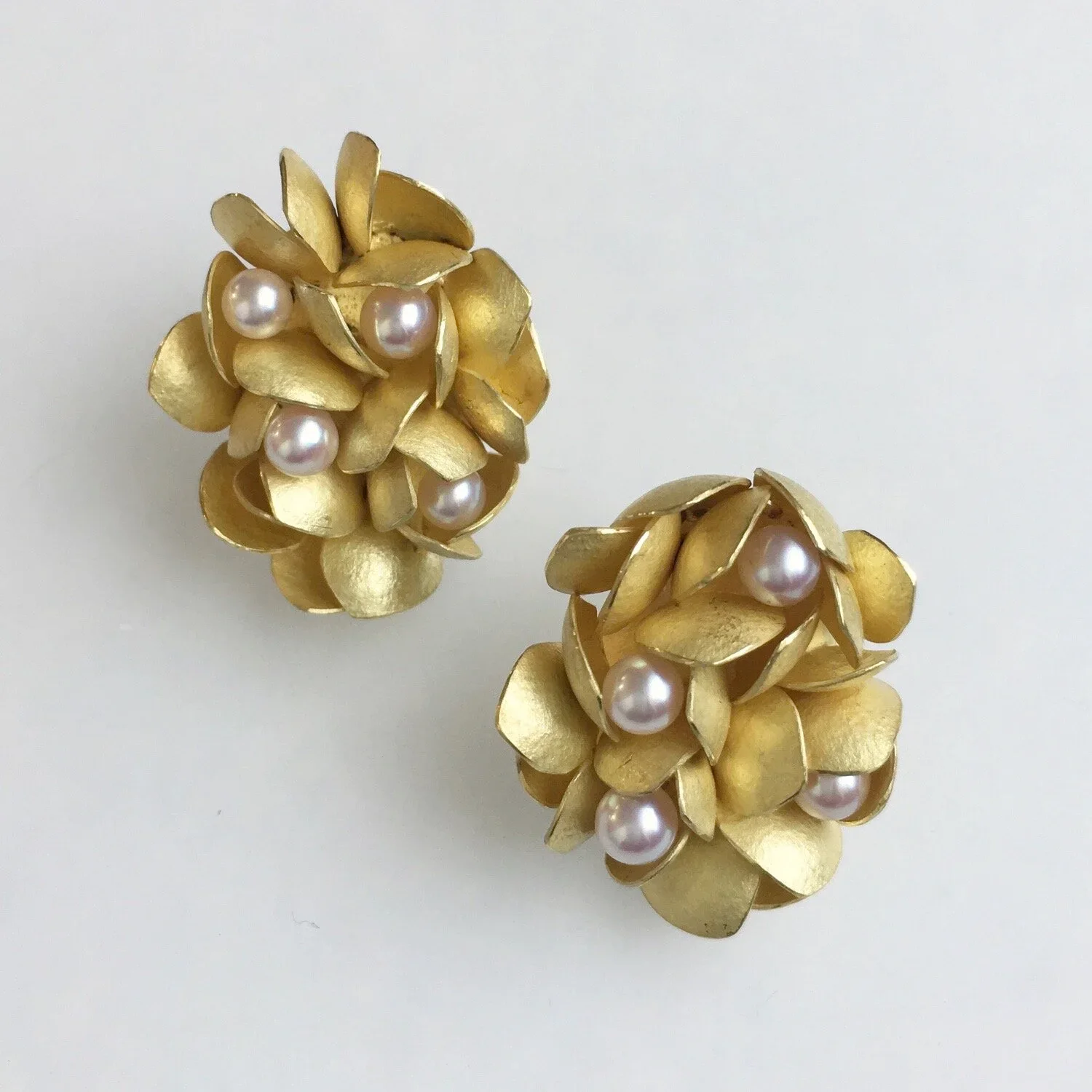
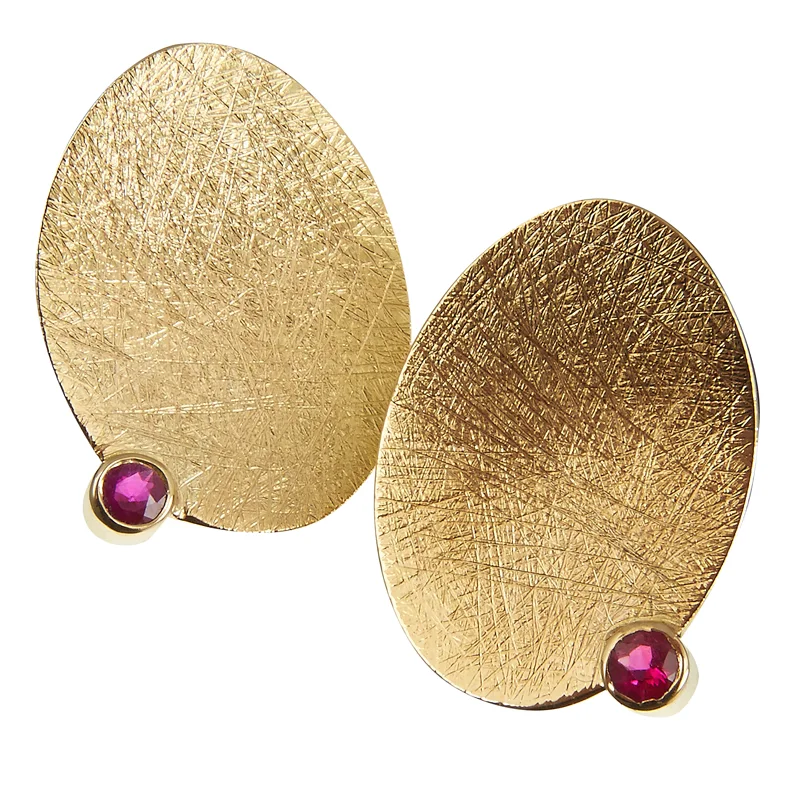
Susi Hines looks to transience and change in nature, particularly pattern, erosion and movement.
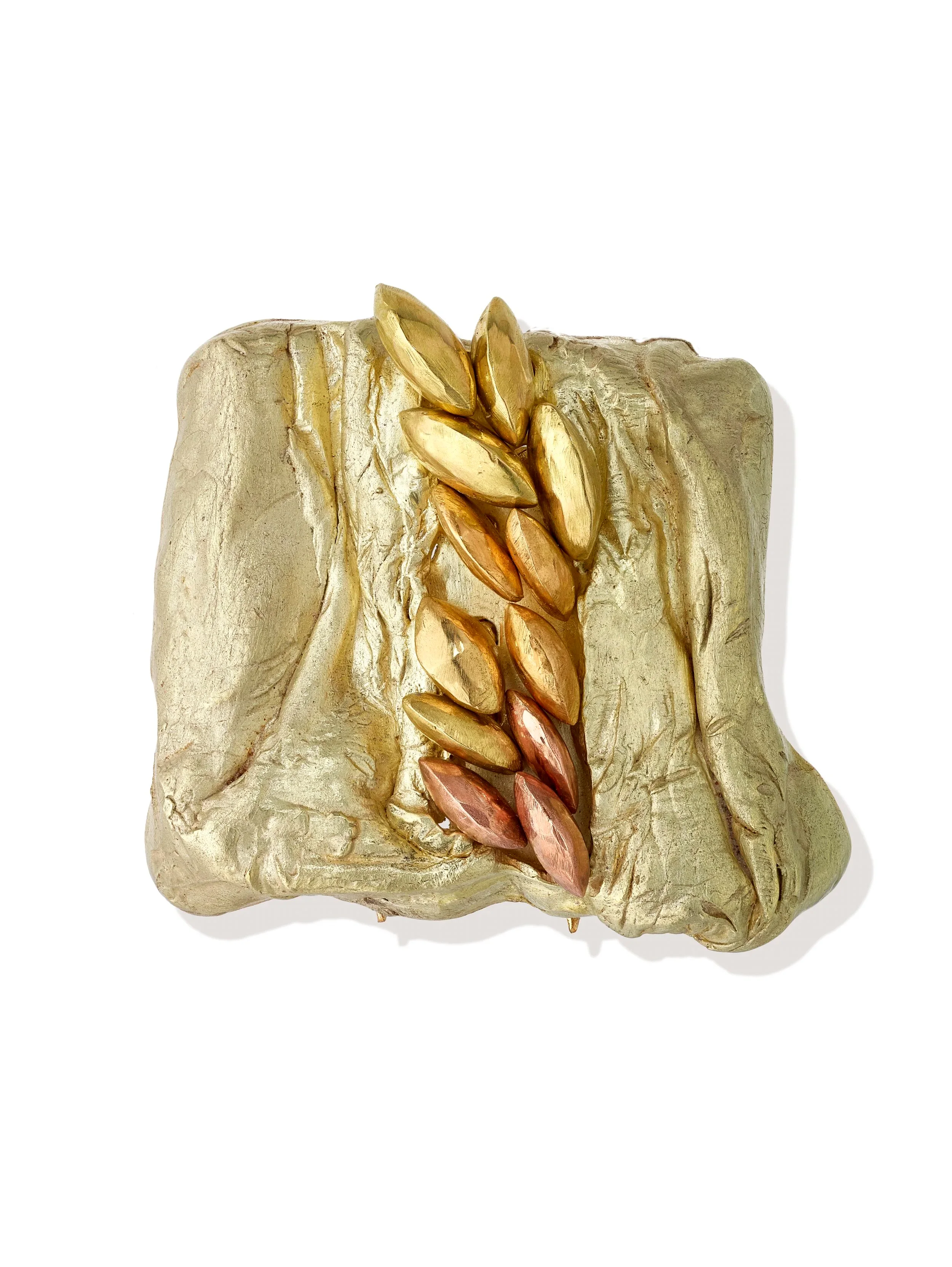
In her Folium collection, she creates her own alloys from recycled gold to produce subtle shifts in colour. Other collections explore etched and patinated surfaces, moving components and combinations of metals and gemstones. Hines states that she sources ethical and sustainable metals and gemstones across her work.
South Korean-born jewellery designer Misun Won draws on Jogakbo, the Korean tradition of patchwork wrapping cloth, alongside fractal geometry.
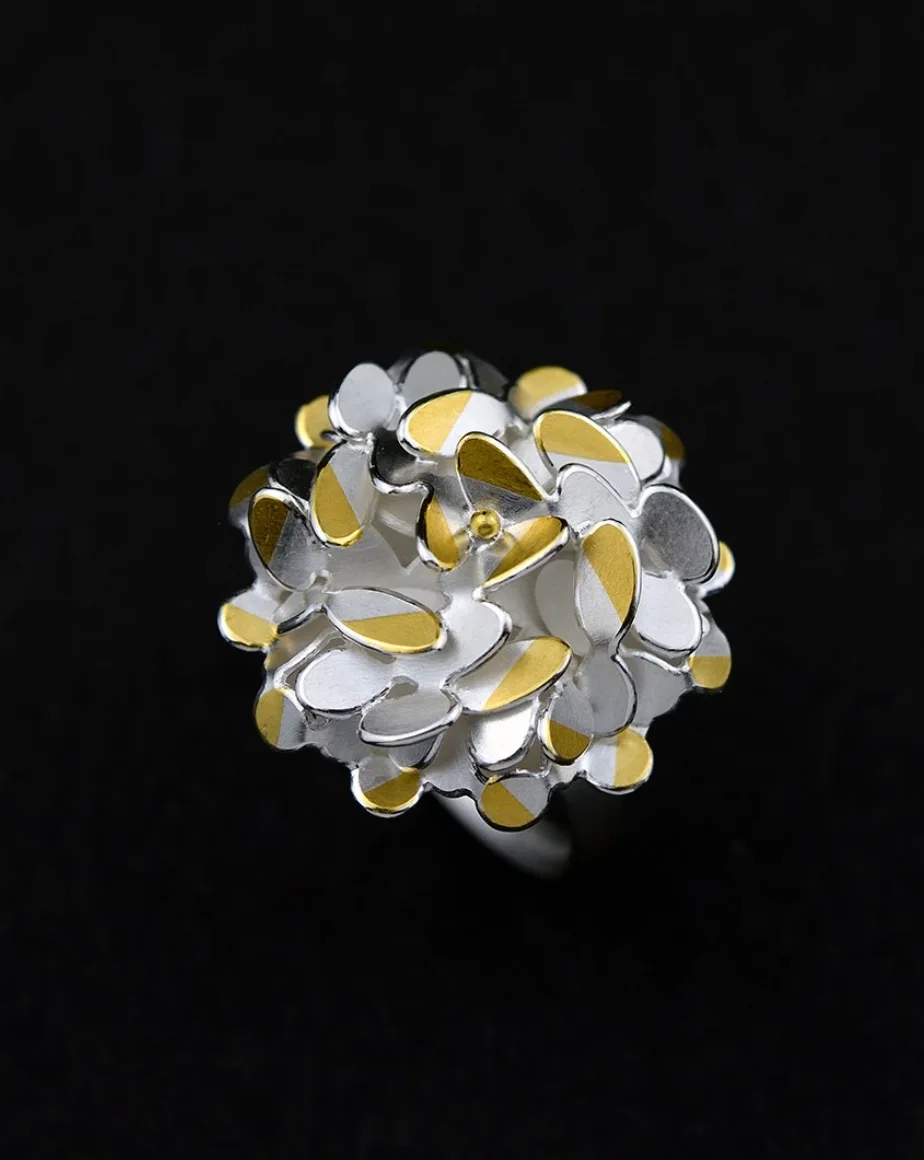
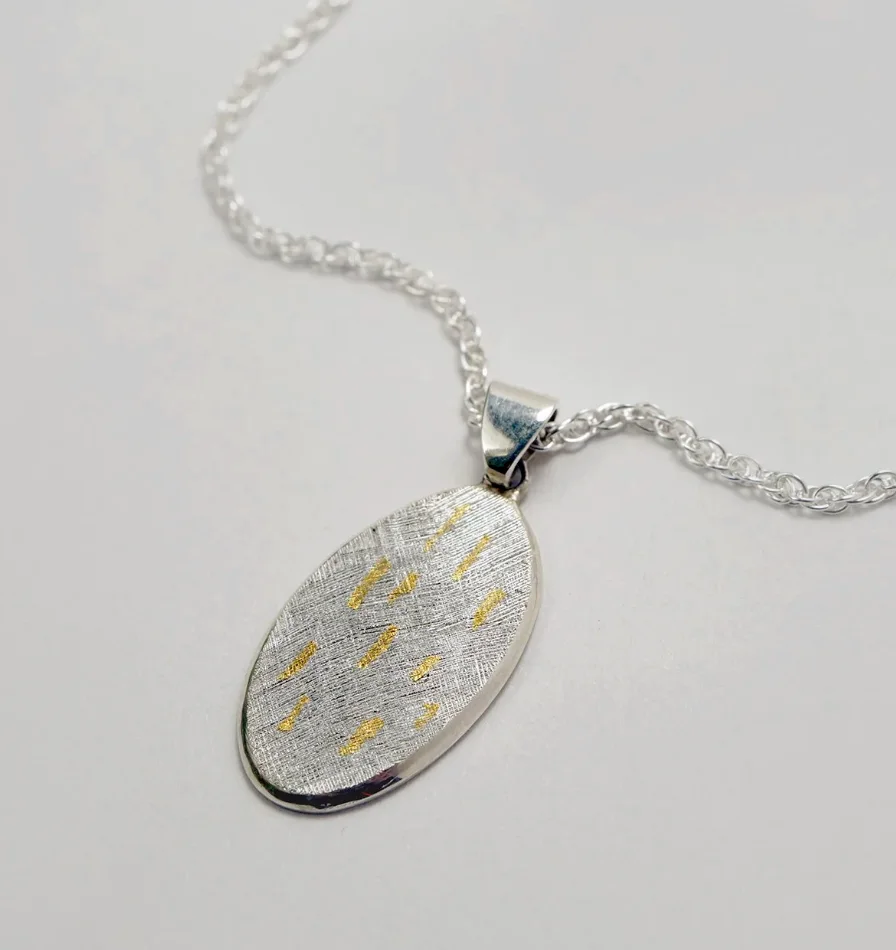
Won hand-pierces patterns from sheets of silver and gold before folding them to create three-dimensional structures. She also uses keum-boo, the Korean gilding technique of applying high-carat gold to silver, together with precious and semi-precious stones.
Huimin Zhang’s practice is closely connected to her study of traditional craft and historic metal jewellery. She has collected thousands of antique metal jewels, using this research alongside her own contemporary making.
Since graduating from the Royal College of Art’s Jewellery and Metal programme in 2023, Zhang has developed her Living Like A Summer Flower series in 22-carat gold. She has also developed her own 22-carat gold solder powder and process.
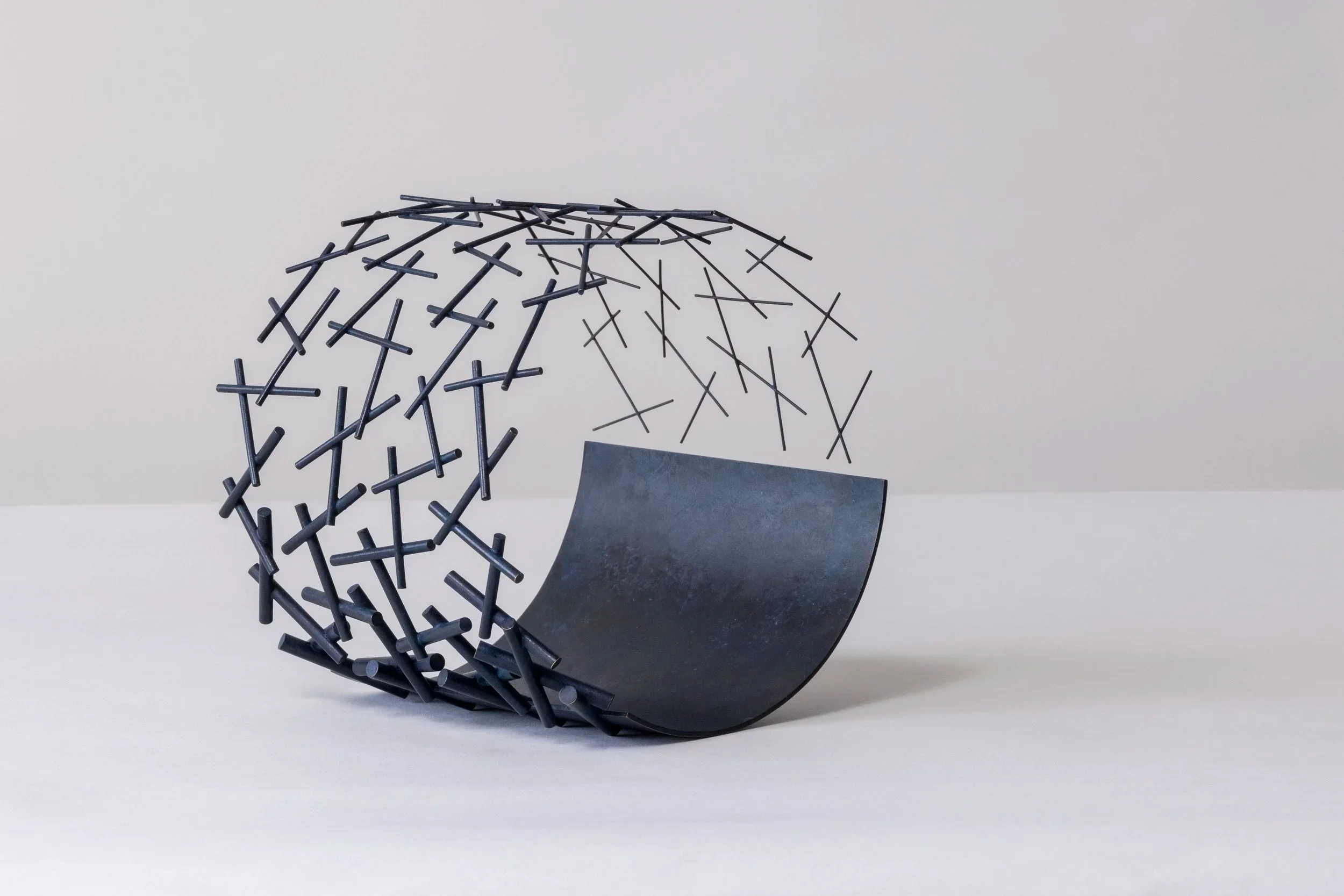
Ane Christensen works in metal across a practice shaped by light, negative space, optical illusion and the urban landscape.
Beginning with simple geometries including cylinders, bowls and flat sheet, Christensen often uses metal rods and wire almost as three-dimensional lines, framing space and altering perceptions of solidity and volume. She established her practice in 1999 after completing an MA in Metalwork and Silversmithing at the Royal College of Art.
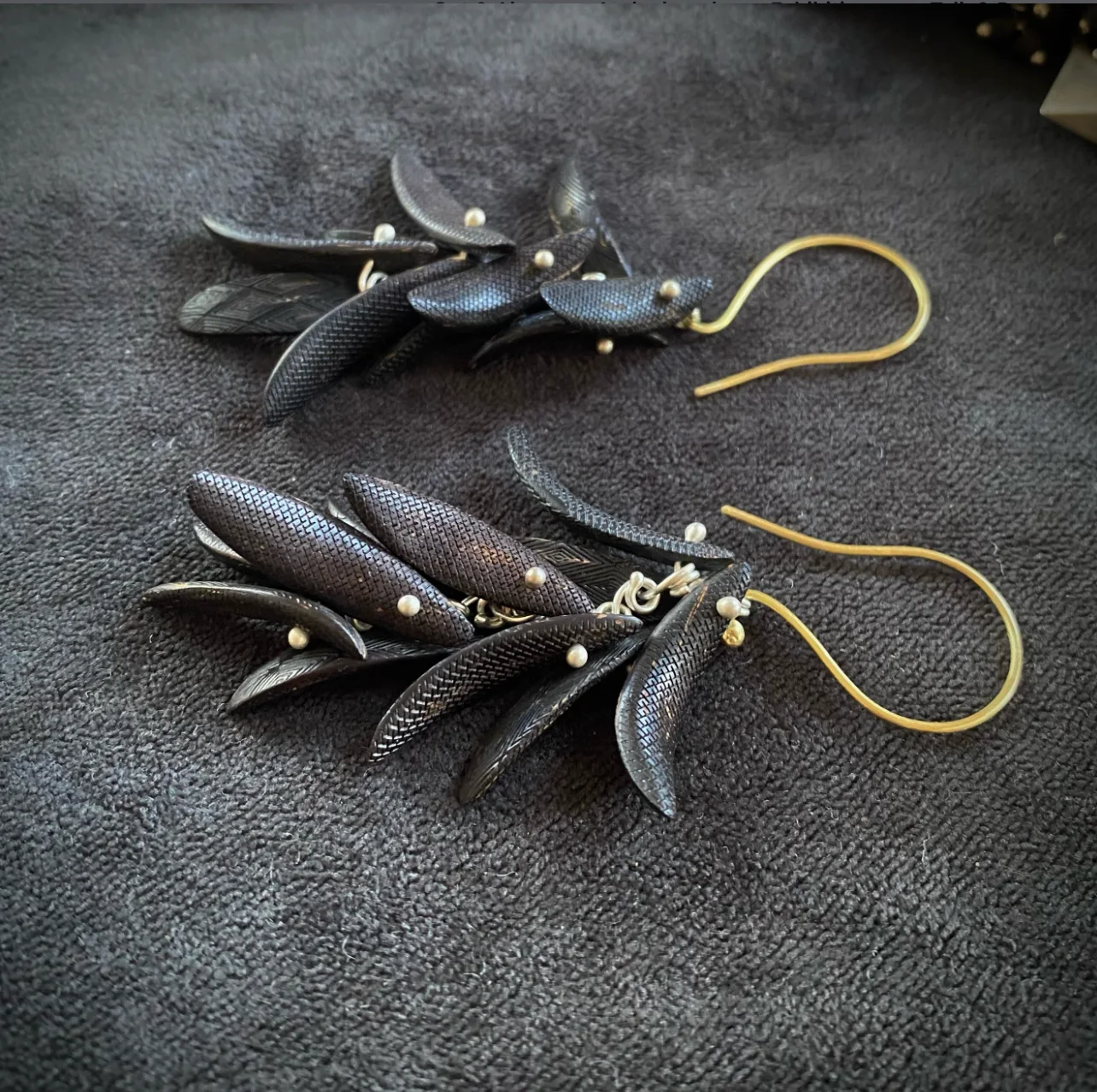
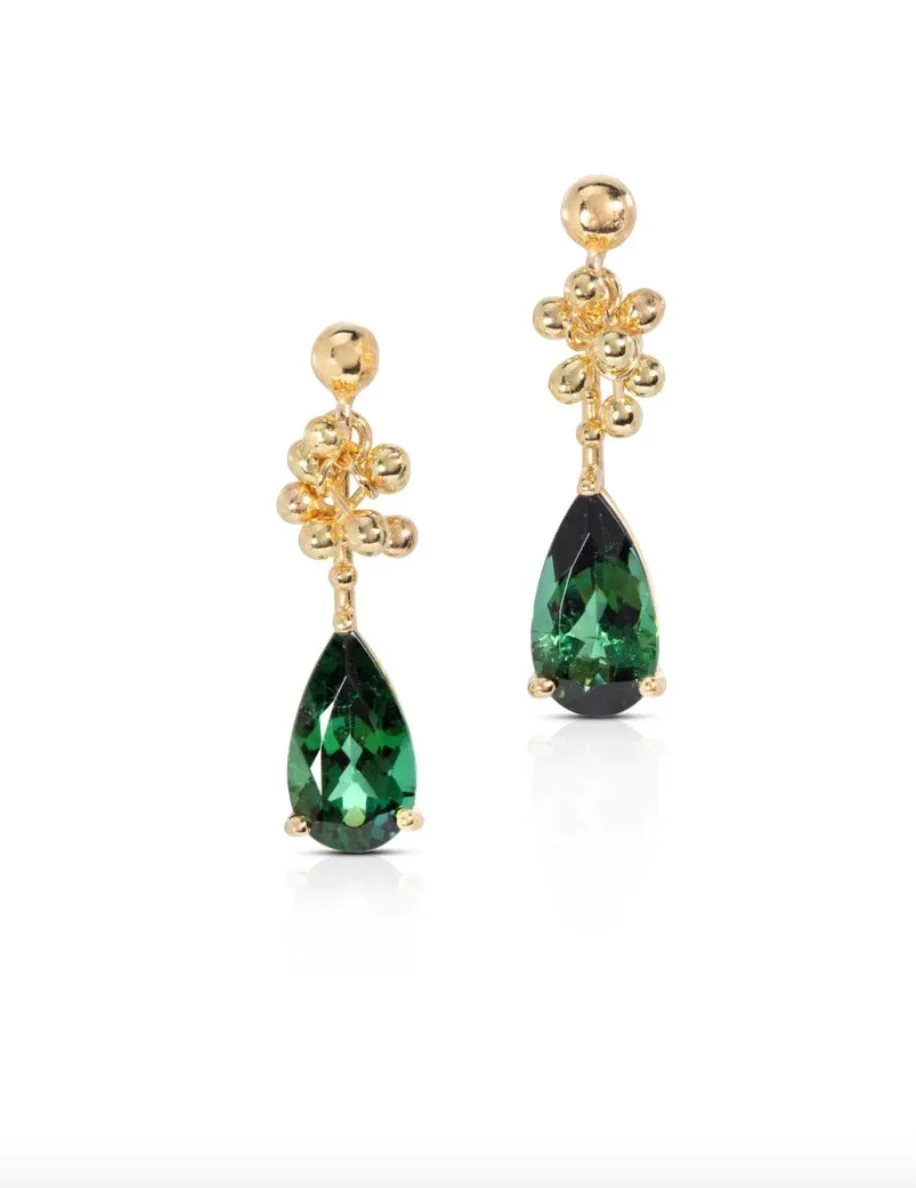
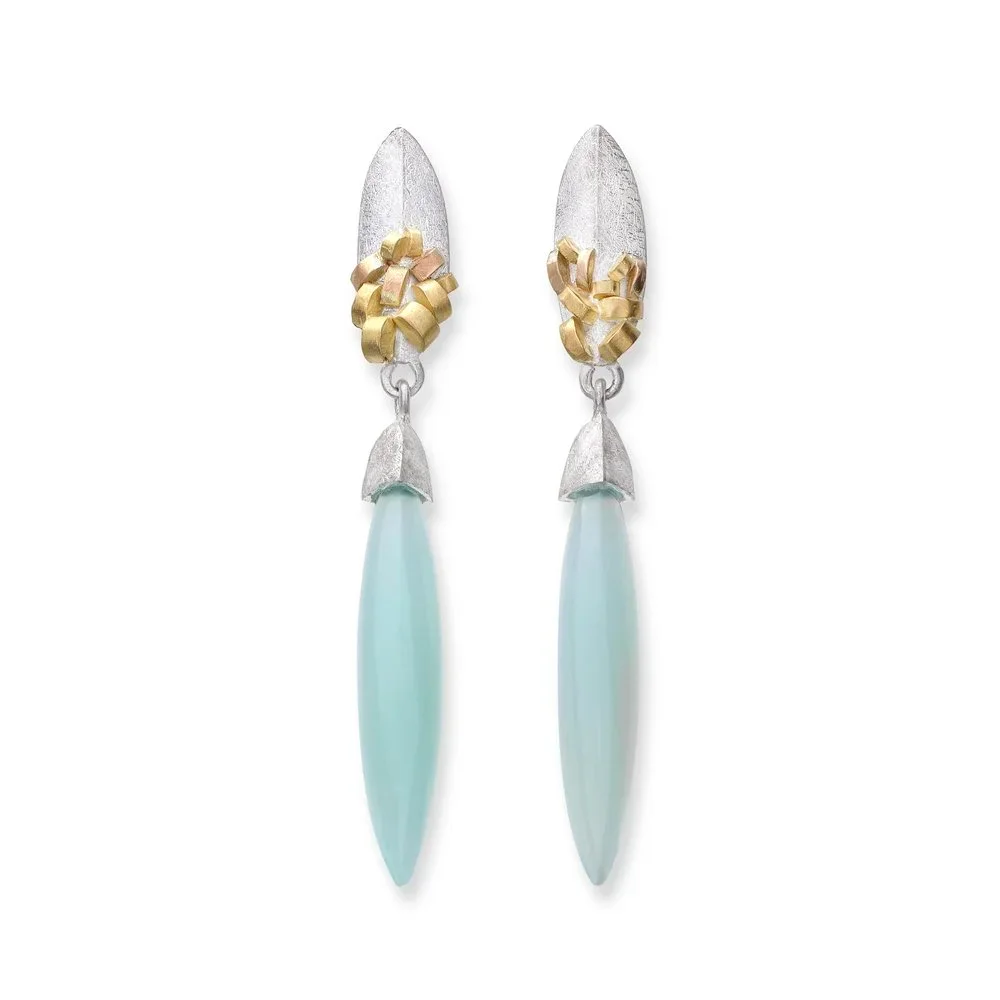
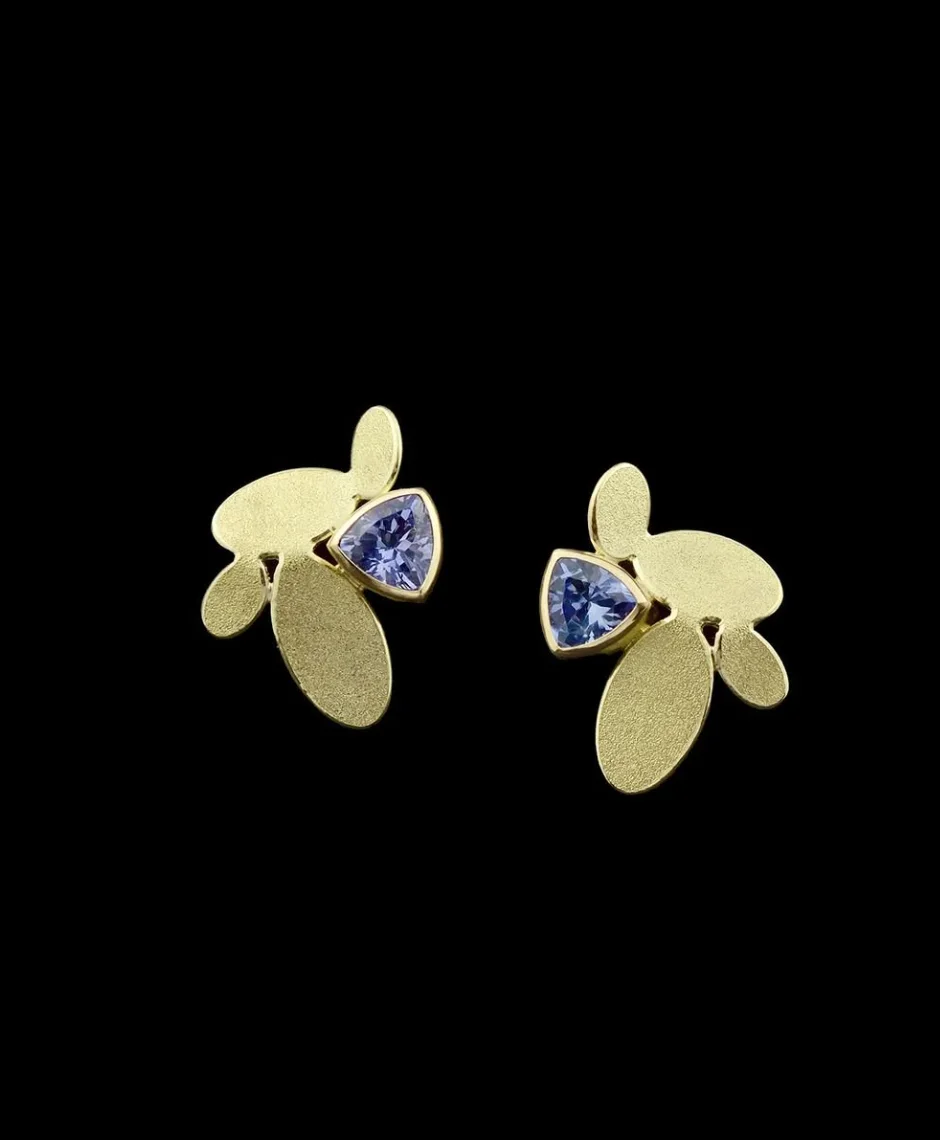
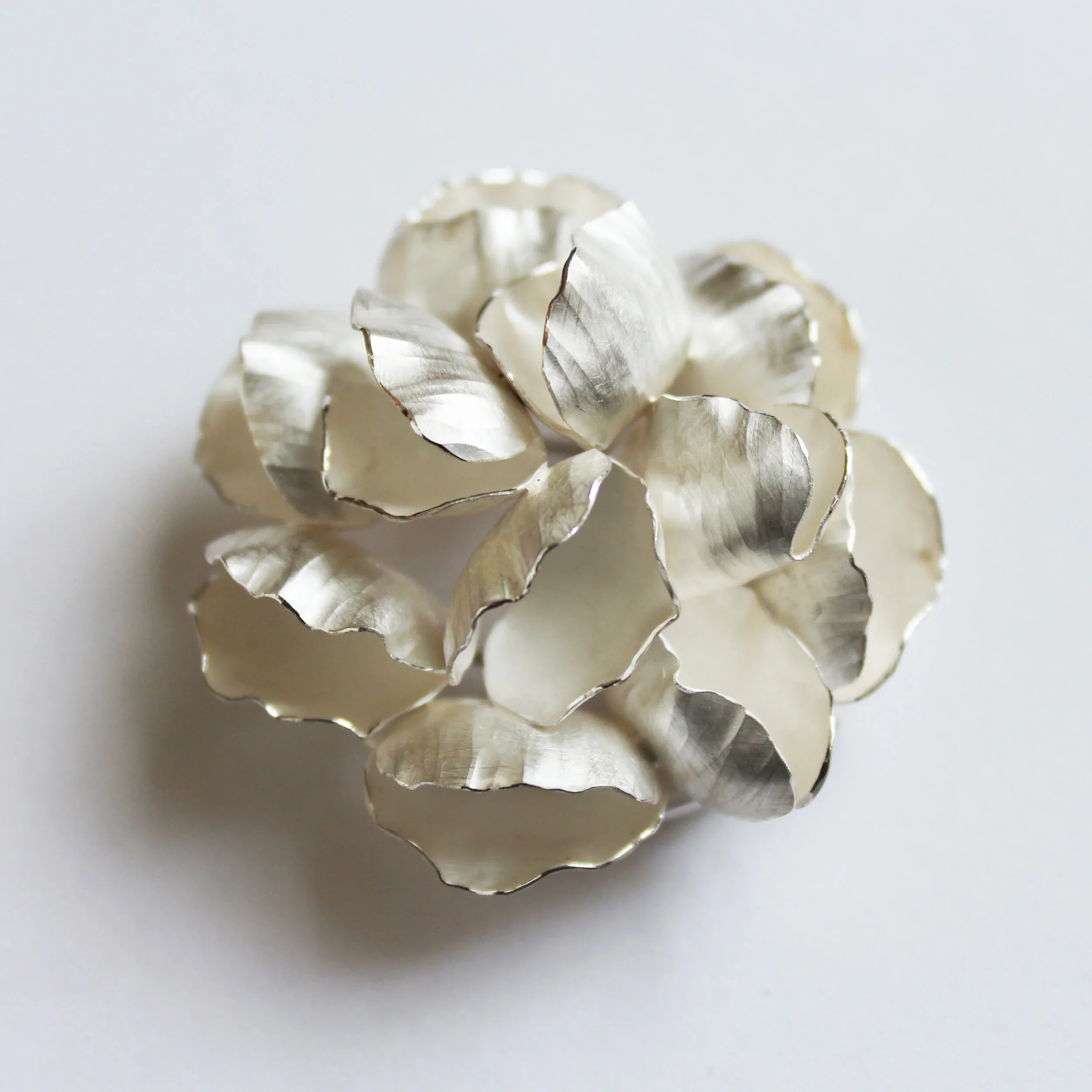
Kayo Saito creates sculptural jewellery in 18-carat gold and silver, combining Japanese and European aesthetics and techniques.
Nature provides an important starting point for her work, from emerging leaves and opening buds to the curled forms of decaying foliage. Every component is made by hand in her workshop, with these observations translated into subtle organic forms rather than literal representations of plants.
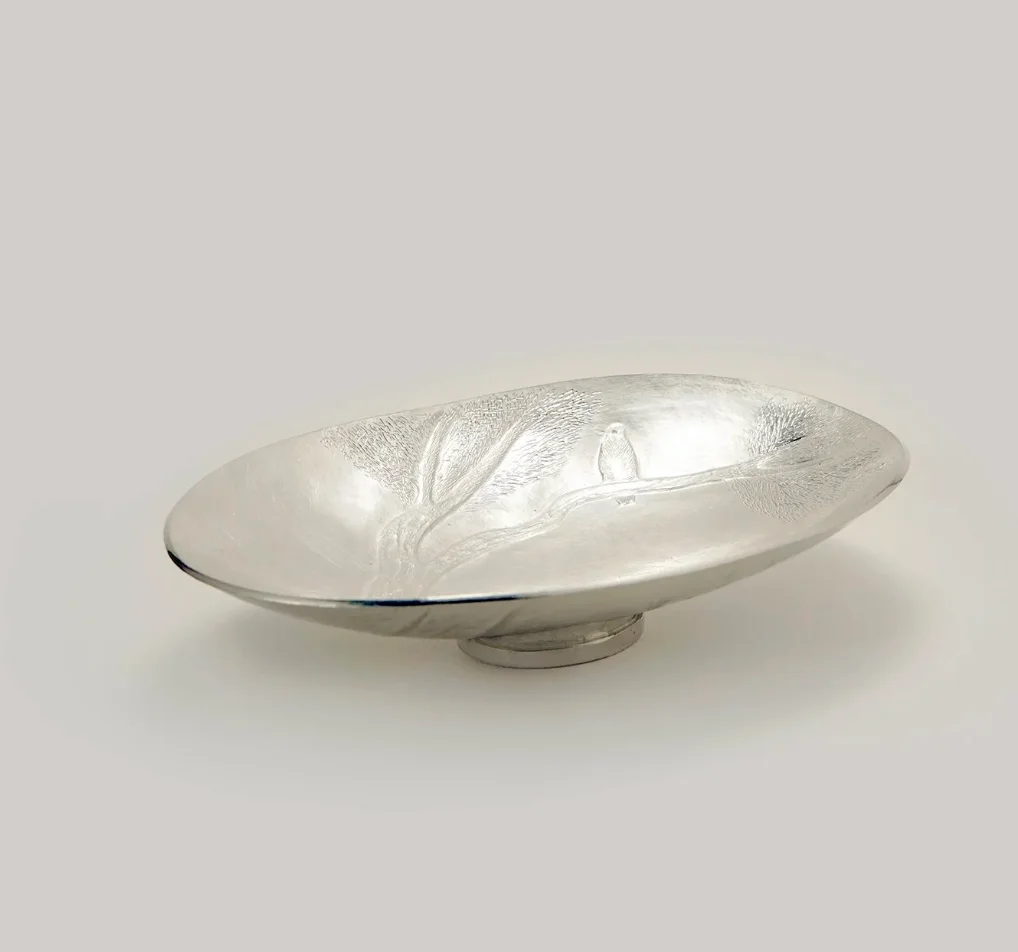
British-Nigerian silversmith and jeweller Jessica Awari-Tefé brings a background in materials engineering and metallurgy to her work in precious metal.
Trained in the UK and Japan, her practice centres on chasing and repoussé alongside traditional Japanese metalworking and decorative techniques. Nature, seasonal rhythms, storytelling and literary references also inform the objects and jewellery she produces.
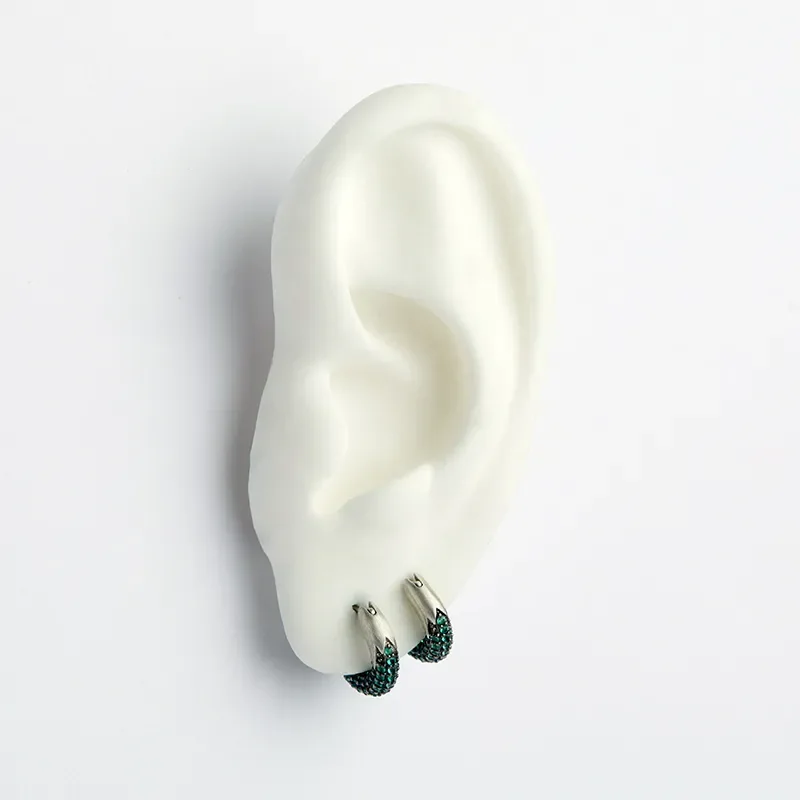
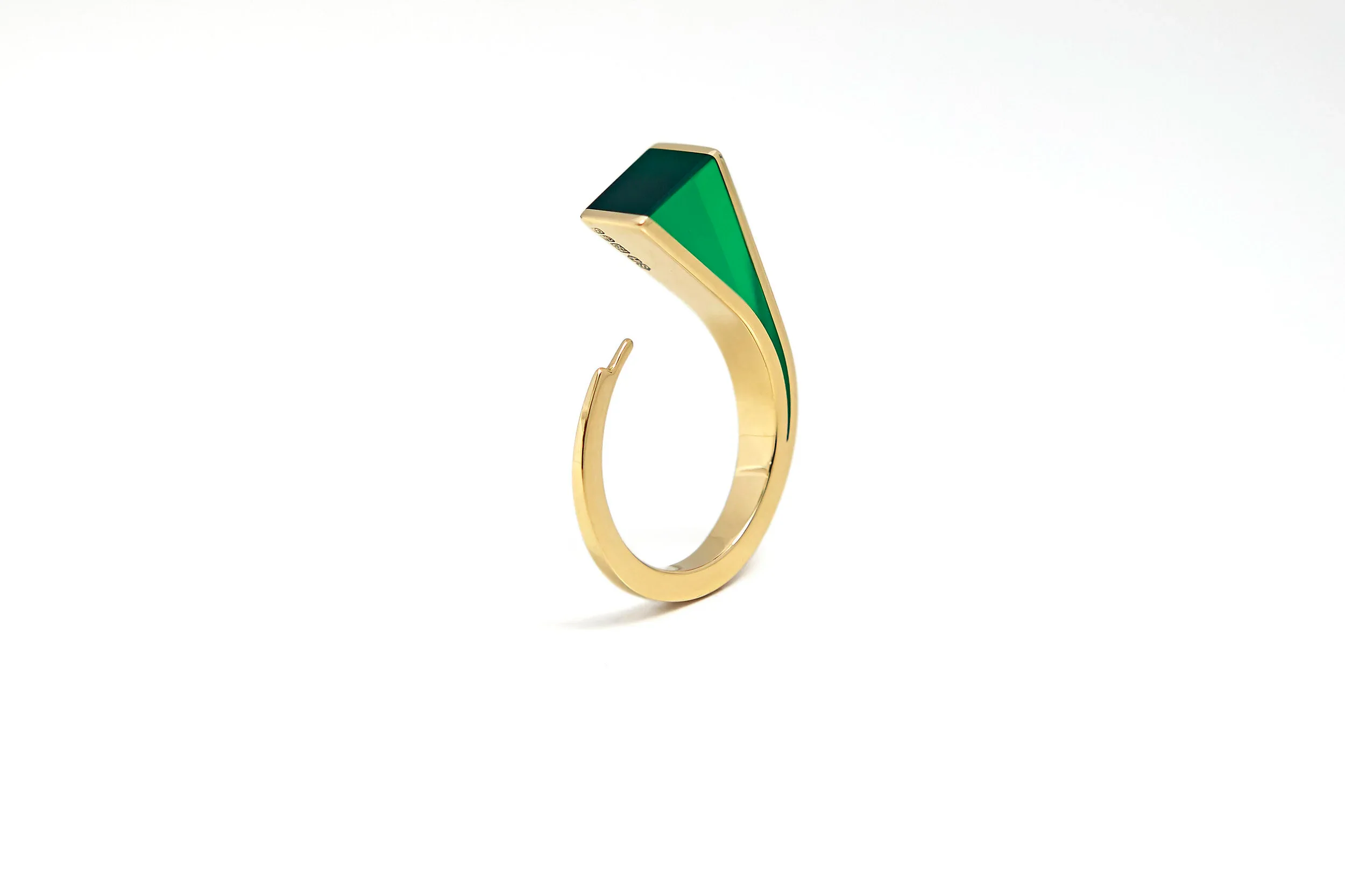
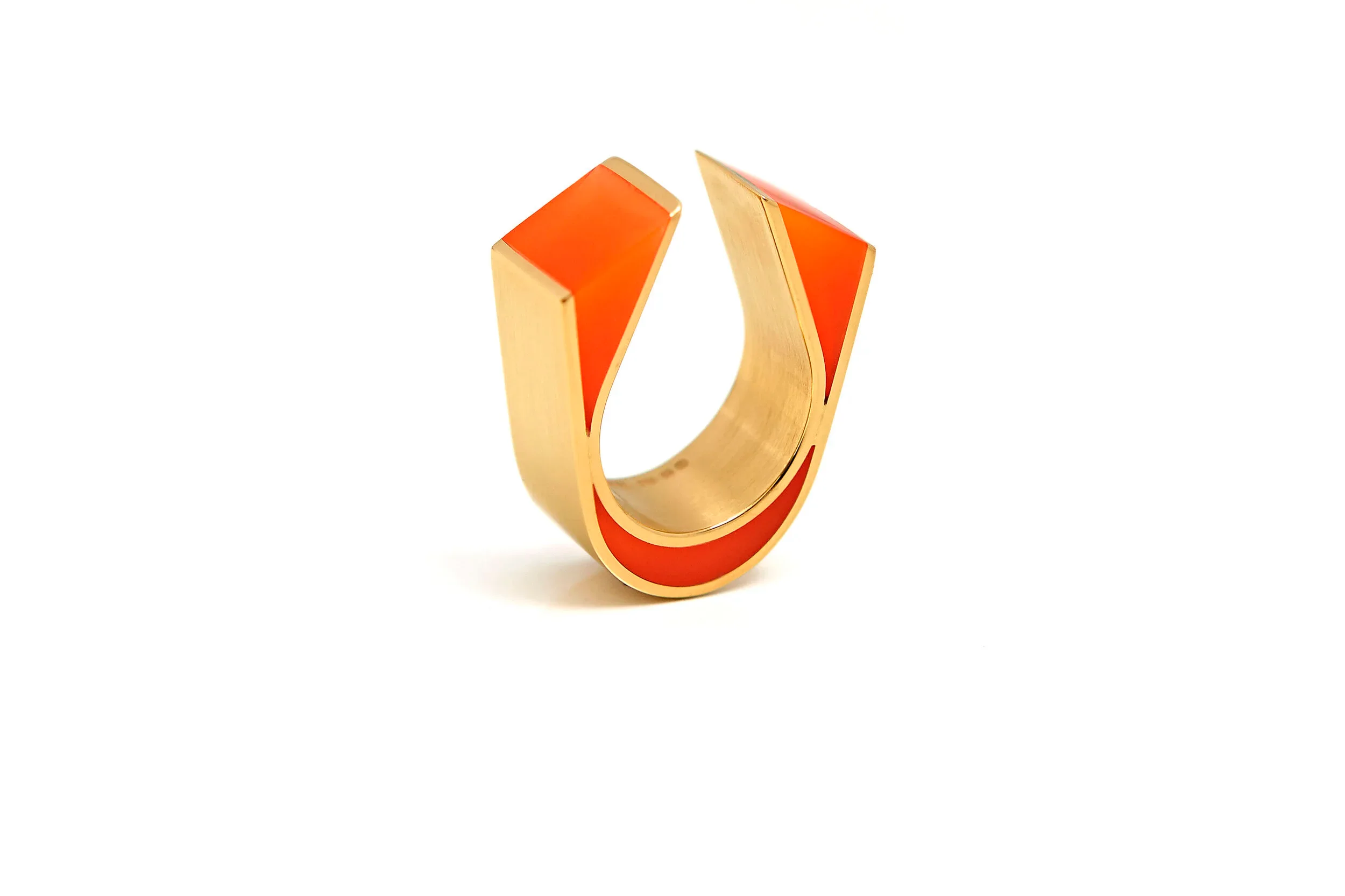
Stephanie Holt explores contrasts in structure, colour and material through contemporary jewellery.
Her U.F.O. Collection — Unique Finger Ornaments began with a series of sculptural statement rings and has since expanded to include pieces for the ears and wrist. Inspired particularly by geometric structures and natural mineral and crystal formations, the collection combines precious metals with resin to create jewellery that Holt describes as wearable sculpture.
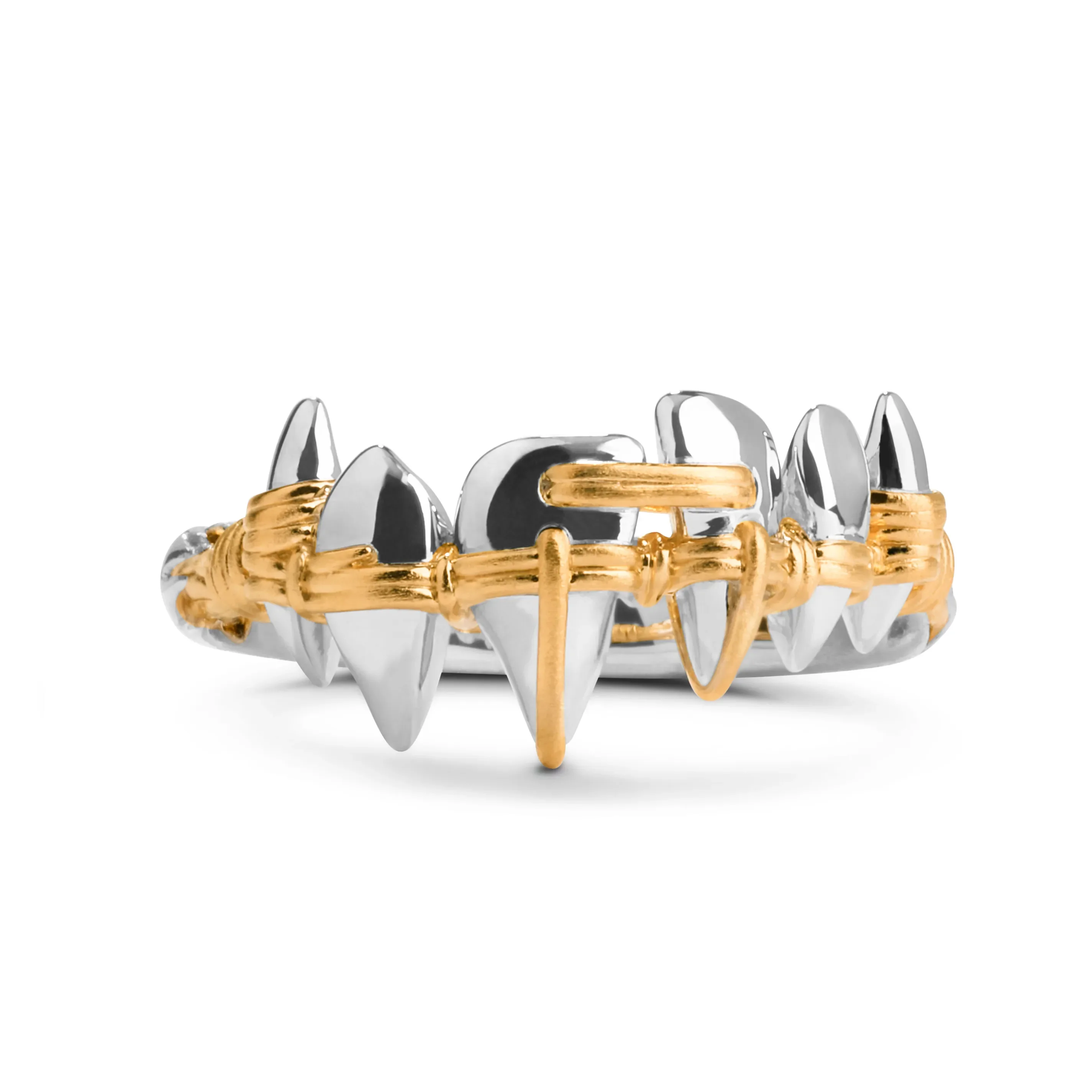
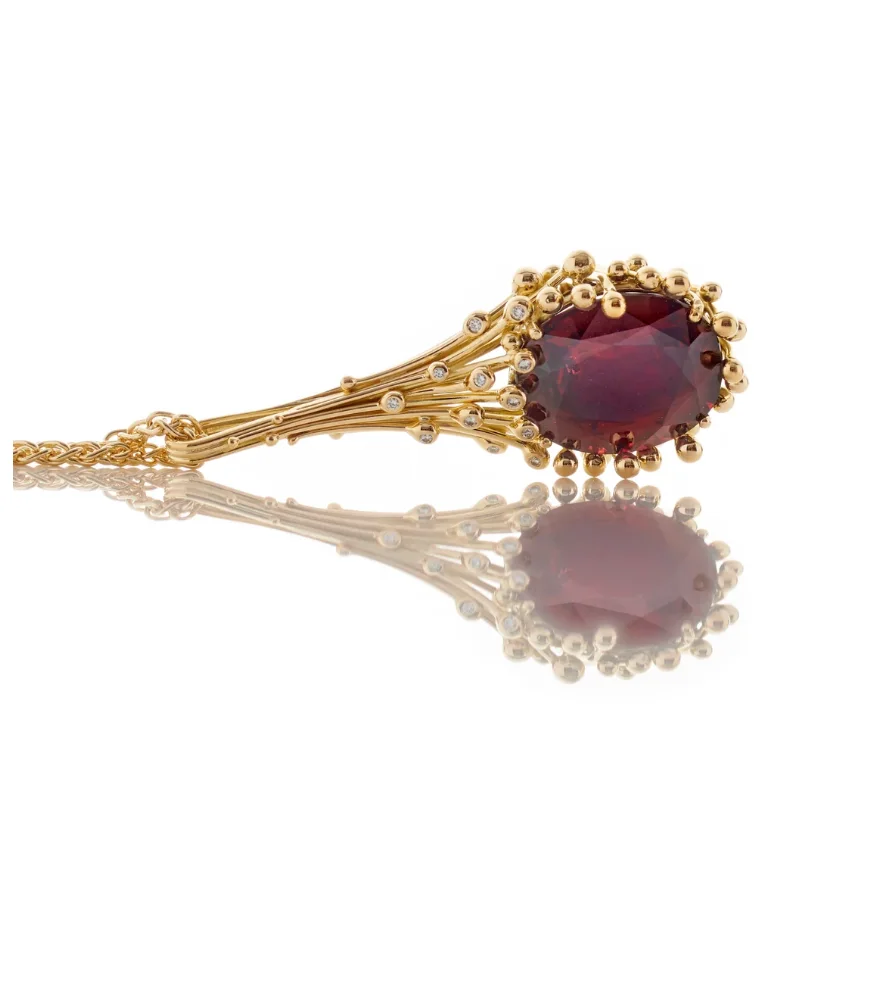
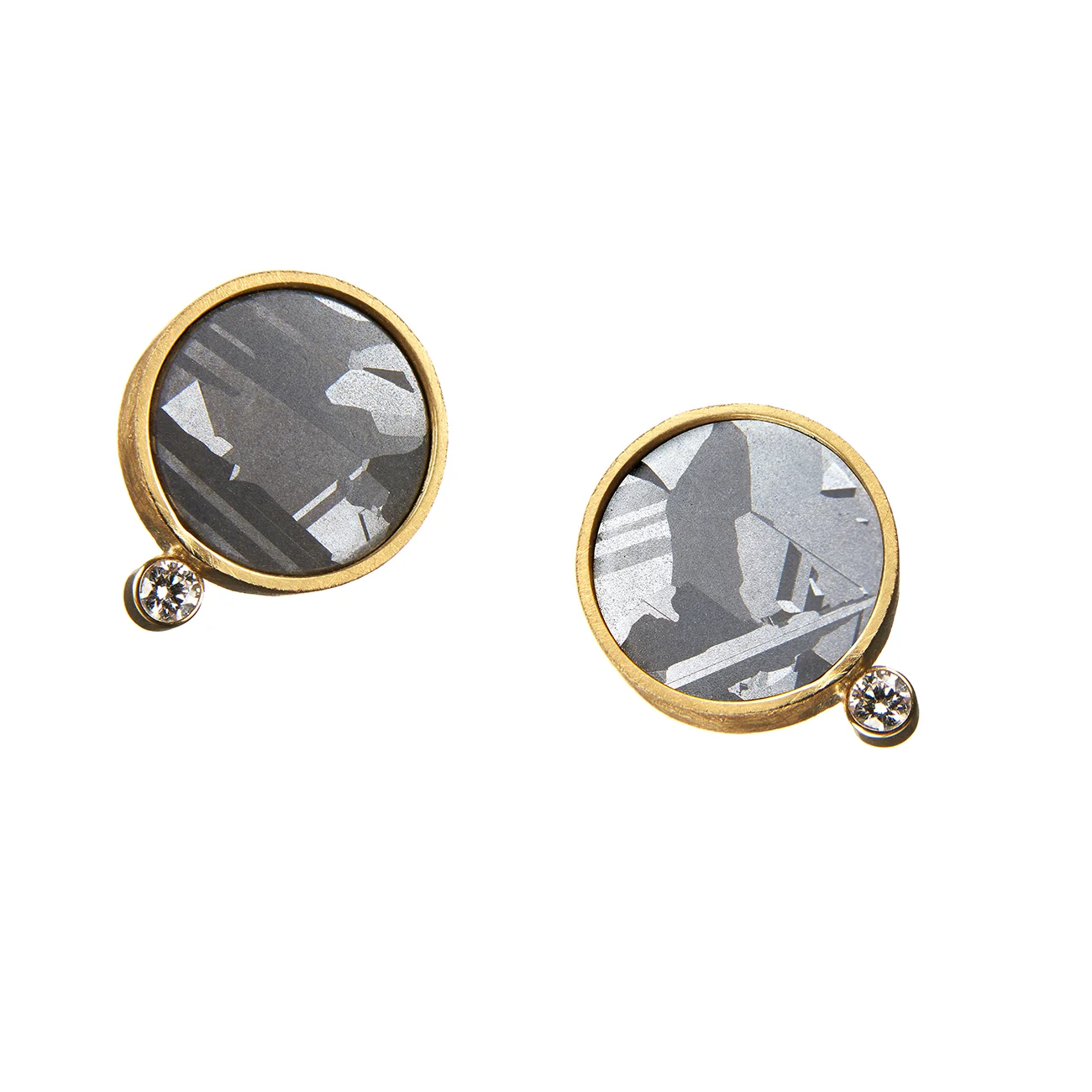
Graeme McColm creates jewellery in gold, silver, platinum and palladium, often using precious and semi-precious stones as the starting point for a piece.
Having grown up in rural Scotland and lived in London since 2004, McColm describes contrast as a recurring influence on his work — coarse against smooth, dark against light and soft lines against harder forms. Architecture and his rural and urban surroundings also inform jewellery characterised by simplified forms and textured surfaces.