Jyoti Naoki Eri on sculpture, Ma and the gifts of time
September 2, 2026
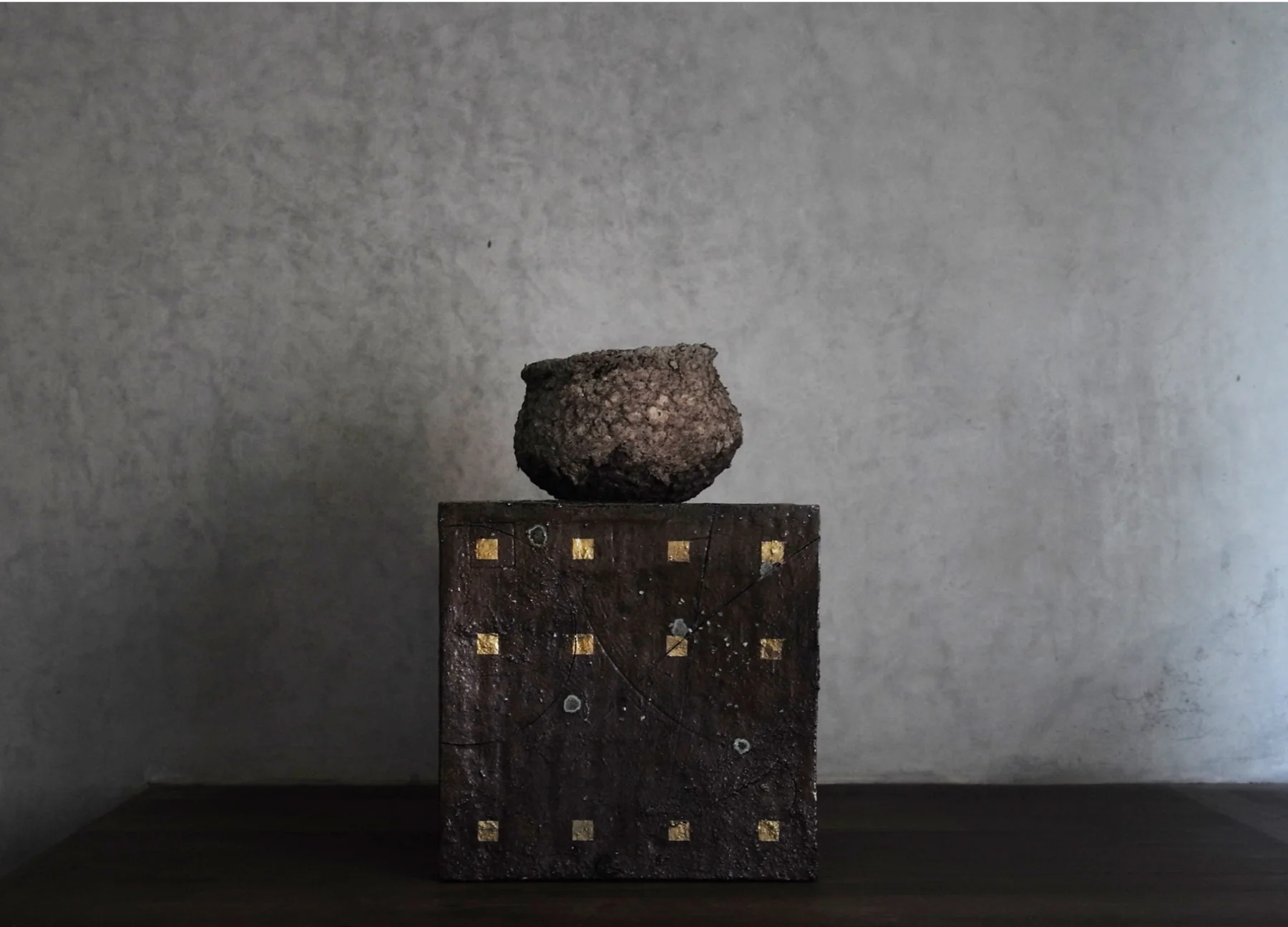
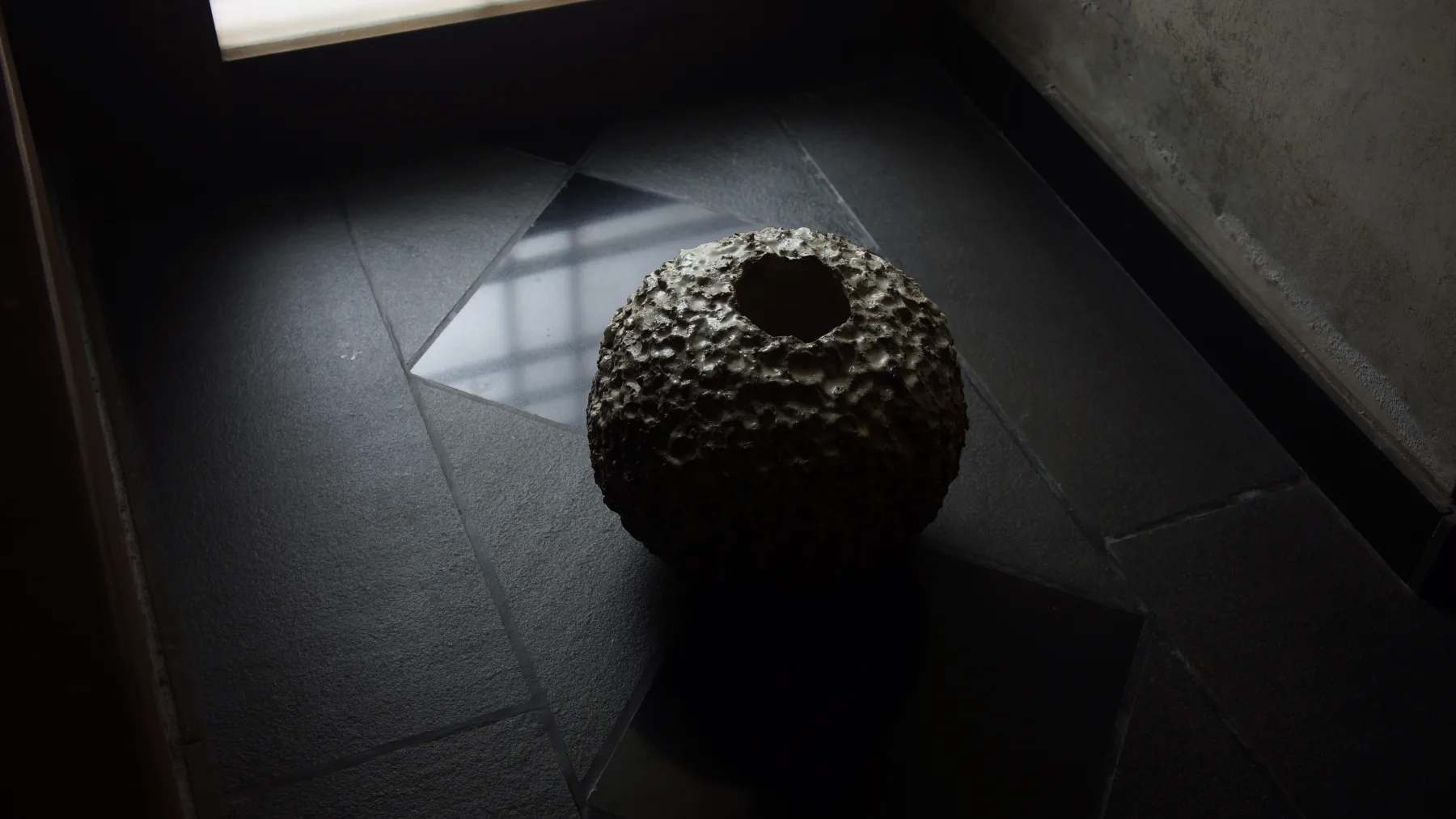
Ceramic cube as part of A.O.T.L. series 2023
For Jyoti Naoki Eri, empty space is never simply an absence. It is where attention gathers, where silent communication becomes possible and where a work leaves room for interpretation for someone other than its creator.
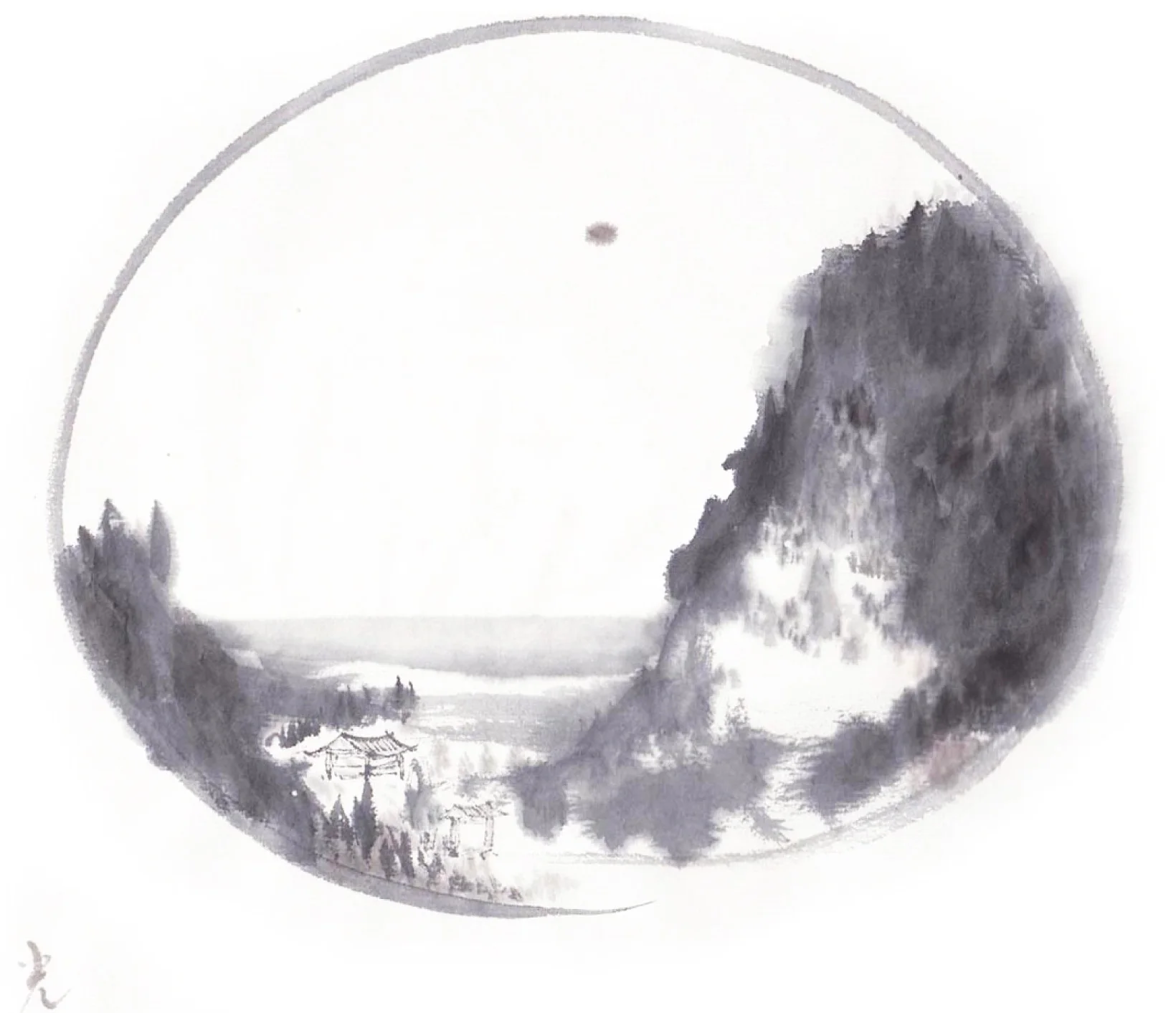
This understanding moves through a practice that encompasses painting, sculpture, ceramics, calligraphy, sound, landscape and spatial design. Though the forms may change, Eri does not regard them as separate pursuits. Beneath them is a sculptural way of thinking—an instinct for material, space and the relationship between one element and another.
“Essentially, everything I do is making sculptures, but in different forms,” he explains. “Whether I’m working on a painting, designing a space, working on a graphic design project, or even composing music—my senses always work as if making sculpture.”
Learning, Then Unlearning
Eri was born into a traditional art family in Kyoto in 1975. Art and culture were part of the environment in which he grew up. His parents studied tea ceremony, calligraphy and Buddhism, while his mother’s family were kimono makers. He recalls being particularly influenced by the subtle combinations of colour found in threads and fabrics.
Alongside these traditions, he was drawn to the counterculture of skateboarding and music. He studied figurative sculpture at art school before spending five years as an apprentice to a master sculptor in Tokyo. Further periods of study took him to London, where he was mentored by a professor of architectural history at University College London, and into a deeper study of Buddhism.
On returning to Kyoto, he began another five-year apprenticeship, this time under his father, studying Buddhist art intensively. Travel through Tibet, Nepal and India followed as he continued exploring Buddhism, yoga and spirituality outside Japan.
He encountered Auroville unexpectedly while staying near Arunachala in Tamil Nadu. A first visit to the Matrimandir created what he describes as an immediate magnetism. More than two decades later, he continues to live and work there, running his own art and design studio.
His multidisciplinary practice is closely connected to the nature of traditional apprenticeship. Rather than learning one isolated discipline, an apprentice encounters different artists and craftspeople, observing how their knowledge forms part of a larger creative ecosystem.
“Deep study alone is not enough,” he says. “We also have to go through a process of unlearning, so that what we’ve learned becomes integrated, rather than something we simply carry externally.”
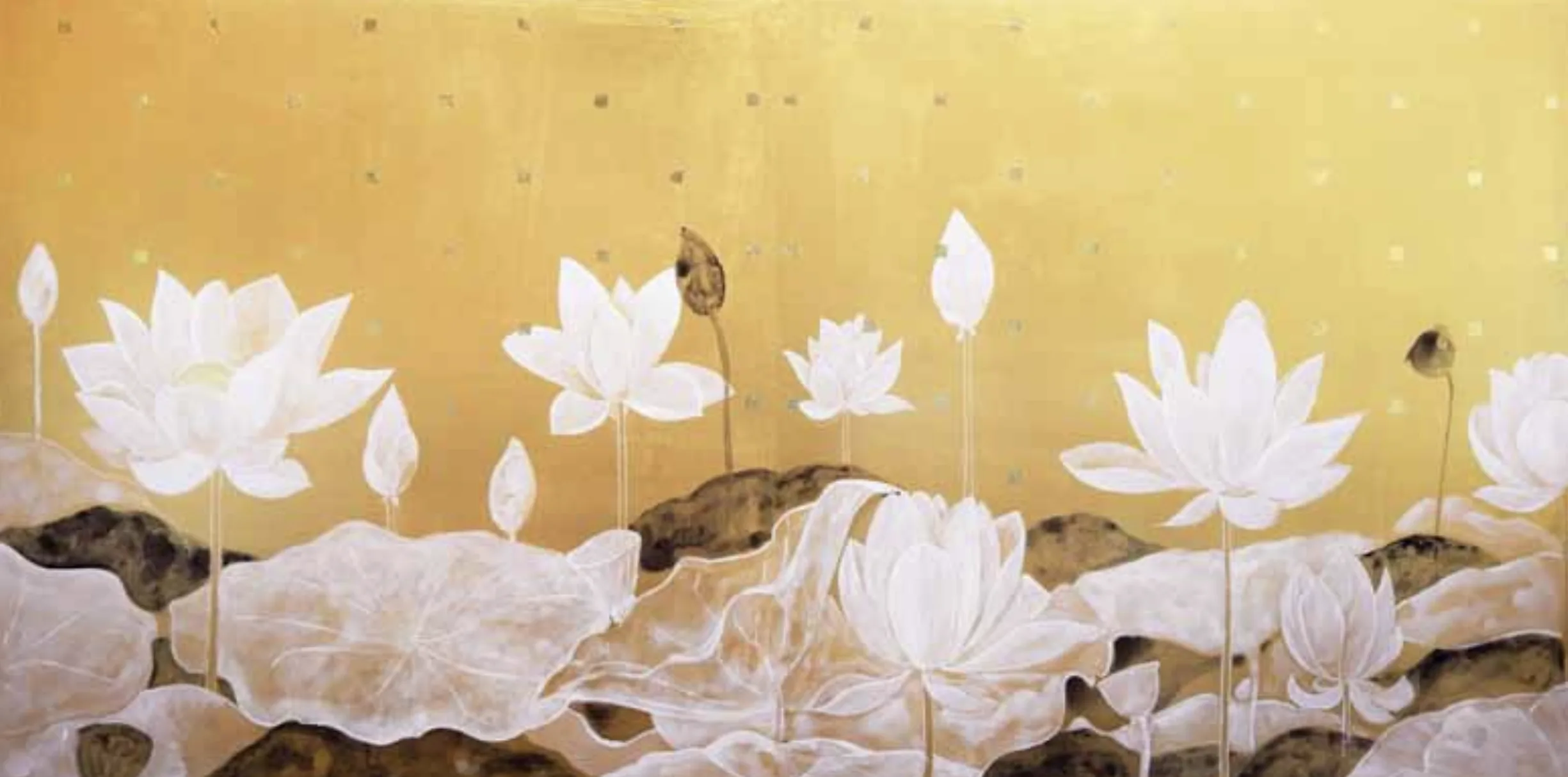
Lotus pond series - acrylic and gold leaf on canvas
Everything Is Sculpture
The physical memory of sculpture remains present even when Eri is painting, composing sound or designing a landscape. He compares this to the way sustained practice becomes embedded in the body—a form of muscle memory that eventually shapes perception itself.
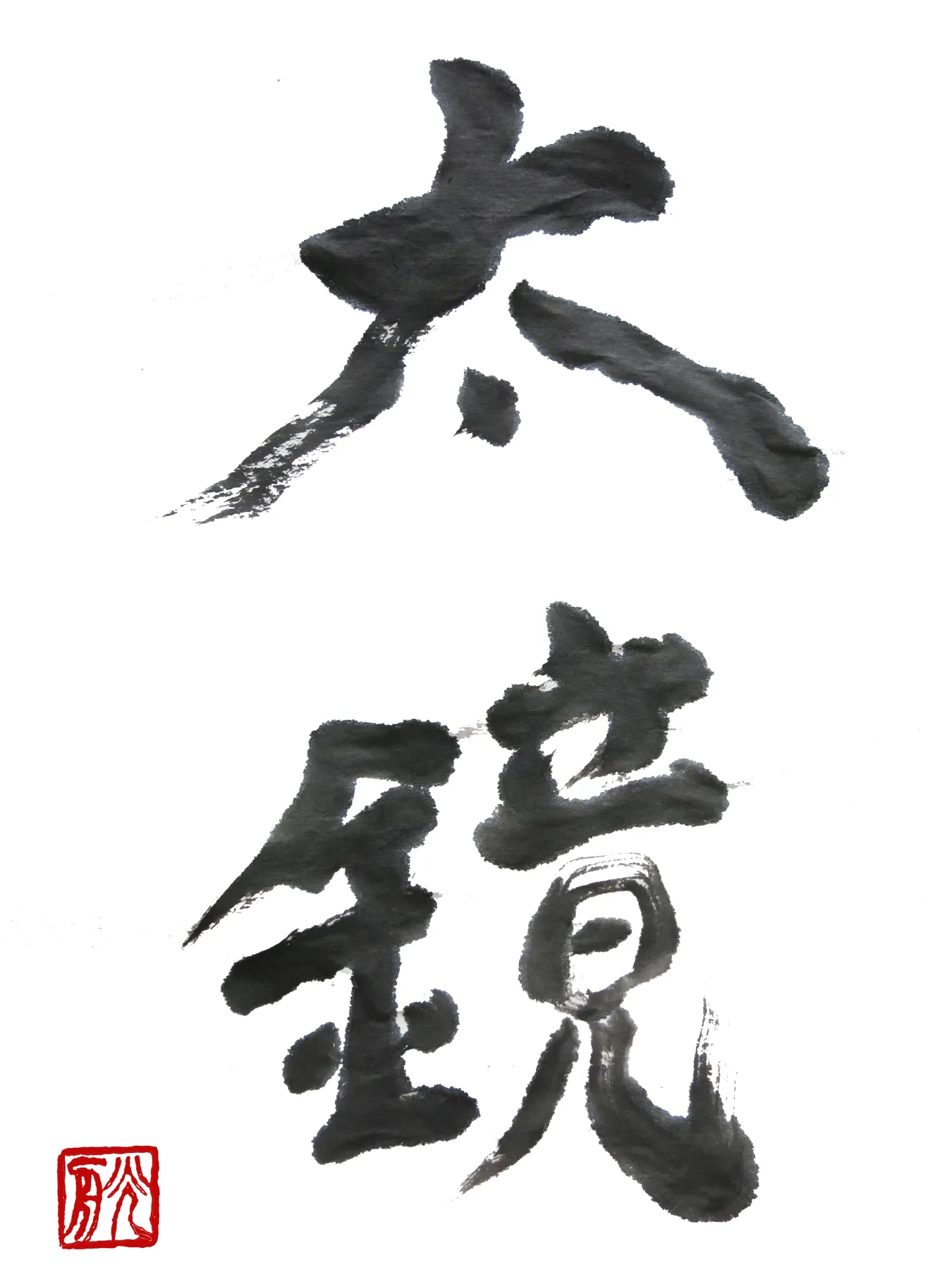
Calligraphy offered another foundation: a way of understanding space.
“What I learned, and am still learning, from calligraphy is a way to master the sense of space,” he explains. “Calligraphy is the art of space, and of communication through space.”
This sensibility allows him to move between mediums without imposing strict boundaries upon them. At times, a work begins with an internal impulse; at others, it develops through a commission. The appropriate material is not always chosen in advance.
“I believe that when there is inspiration, my materials and instruments also call me to work with them,” he says. “What I’ve learned over the past three decades is that I cannot insist that my materials dance with me. I just wait for the right moment, the right music.”
“My works alone are incomplete by design.”
Jyoti Naoki Eri
The Space Is Not Empty
The Japanese idea of Ma—間—is central to Eri’s understanding of space. He encountered it through calligraphy, tea ceremony and the cultural atmosphere of Kyoto.
“Respect for space,” he says. “Empty space doesn’t mean absence.”
In the tea ceremony, Ma can be experienced through the arrangement of objects, the intervals between gestures and what passes silently between host and guest. For Eri, it is also an invitation to intuition.
This invitation extends to his artworks. Rather than determining what a viewer should see or feel, he consciously leaves room for individual interpretation.
“My works alone are incomplete by design,” he explains. “This invitation is also a conscious application of Ma.”
He does not expect a work to finish growing when it leaves the studio. Some pieces require time before people find a relationship with them. Their interpretations become part of the continuing life of the work.
“I wish to stay free of my own expectations for what my art should mean to people,” he says. “I believe my works still grow even after they are completed and leave my studio. We need to allow time and space. It’s also the philosophy of Ma.”
Keeping the Vessel Empty
When beginning an artwork, Eri plans only to a certain point. He describes entering a state of “I-don’t-know-ness”—remaining receptive enough for the work to move beyond its initial intention.
“We need to keep the vessel empty in order to welcome new energy,” he says.
For him, artistic freedom does not mean the absence of structure. It depends upon awareness and discipline: the capacity to remain attentive without controlling every movement of the work.
“The creation of art is like a long process of continuous meditation,” he explains. “The art reveals itself through the process, and my work is not to interfere with this current of energy and movement. I really love when my work surprises me in unexpected ways.”
Design requires a different form of attention. It depends more directly upon planning, logical procedure and collaboration. Eri does not see this distinction as a conflict. Art and design are, as he describes them, “my two feet for my own self-progress.”
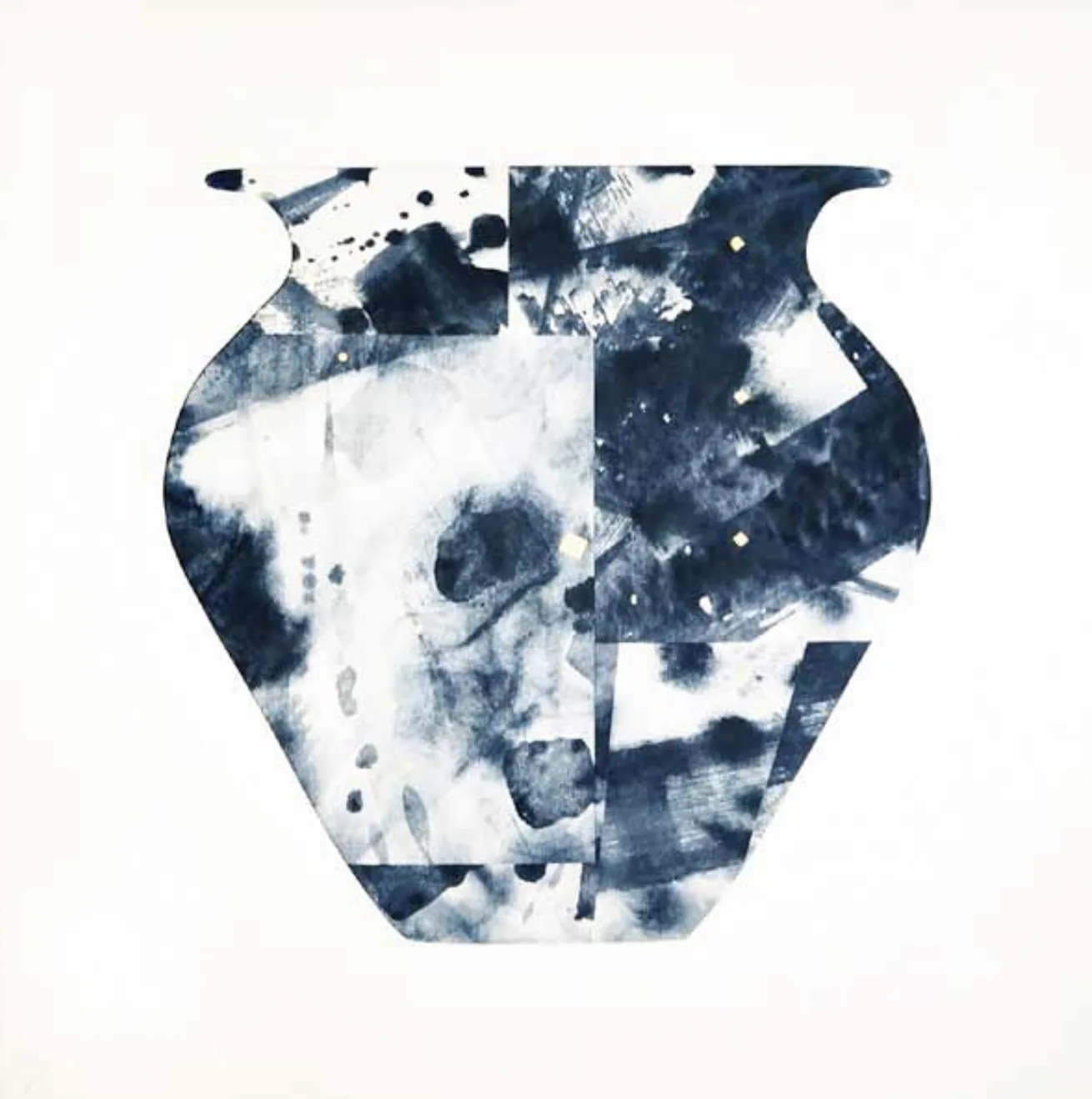
Empty vessels that make the most sound
Between Kyoto and Auroville
Kyoto and Auroville have shaped Eri in markedly different ways. He describes Kyoto as an old capital that can feel “almost frozen in time”—a living repository of art and culture. Auroville, by contrast, is young, experimental and raw.
Yet he identifies an important spatial relationship between them. Both cities are organised around a centre: Kyoto around the Imperial Palace and Auroville around the Matrimandir.
“These are both spiritual centres, and represent the spirit of their time,” he observes.
For Eri, Auroville is not a utopia. It is a place where people with different histories and ideals are faced with the difficult, continuing work of living together.
“It’s difficult and exciting at the same time,” he says.
That tension has become part of his life and practice. His recent exhibition, Still Here, emerged from his enduring relationship with Auroville and the dream that first drew him there.
“The message of my latest exhibition was that I am not giving up on my dreams,” he explains. “So Still Here is the alignment of my lifetime dream with my geographical location.”
The title also contains a second meaning: “Still, Here”—an inner position that remains unshaken by changing circumstances.
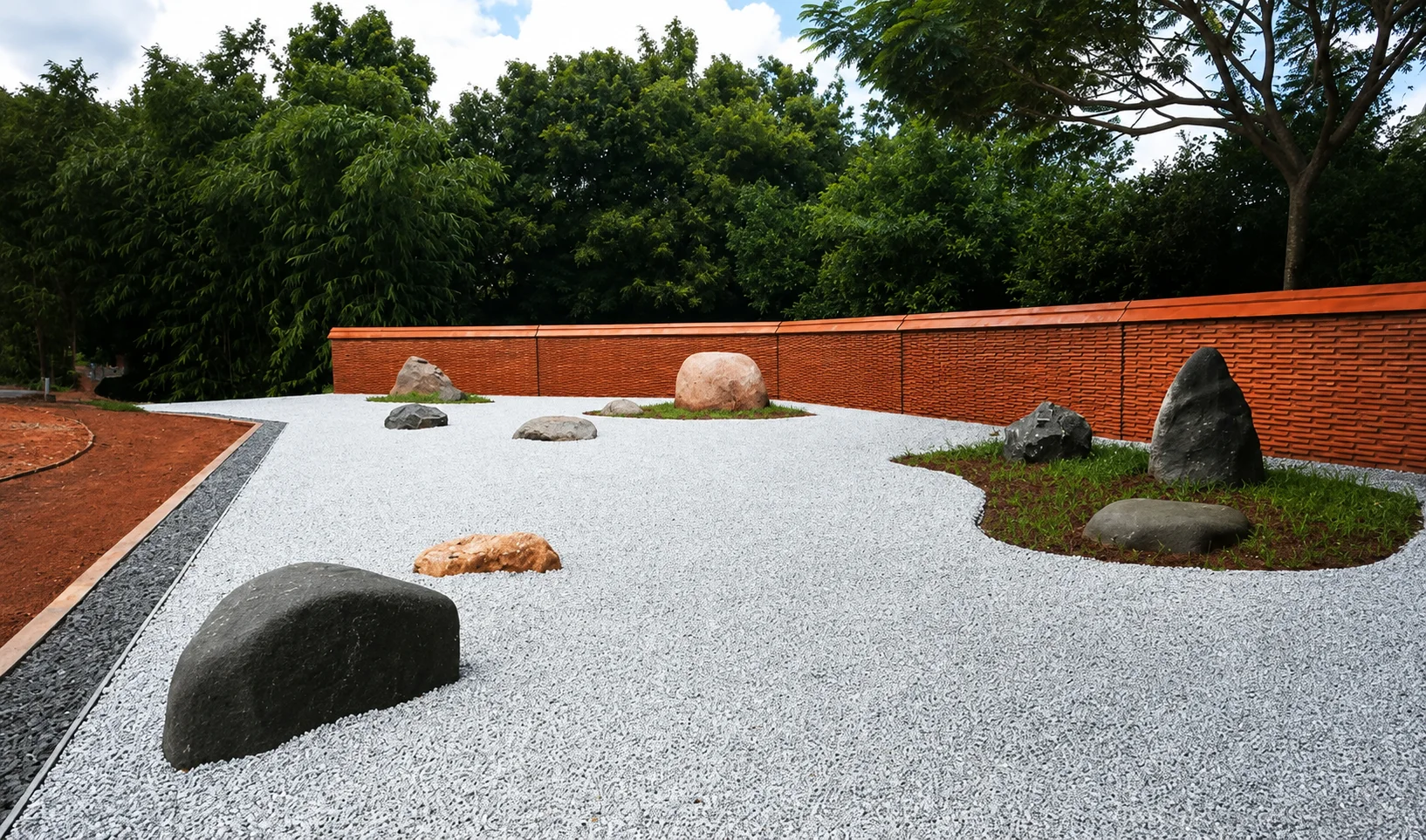
Auroville Botanical Gardens Japanese Garden 2020
Matter, Sound and Still Here
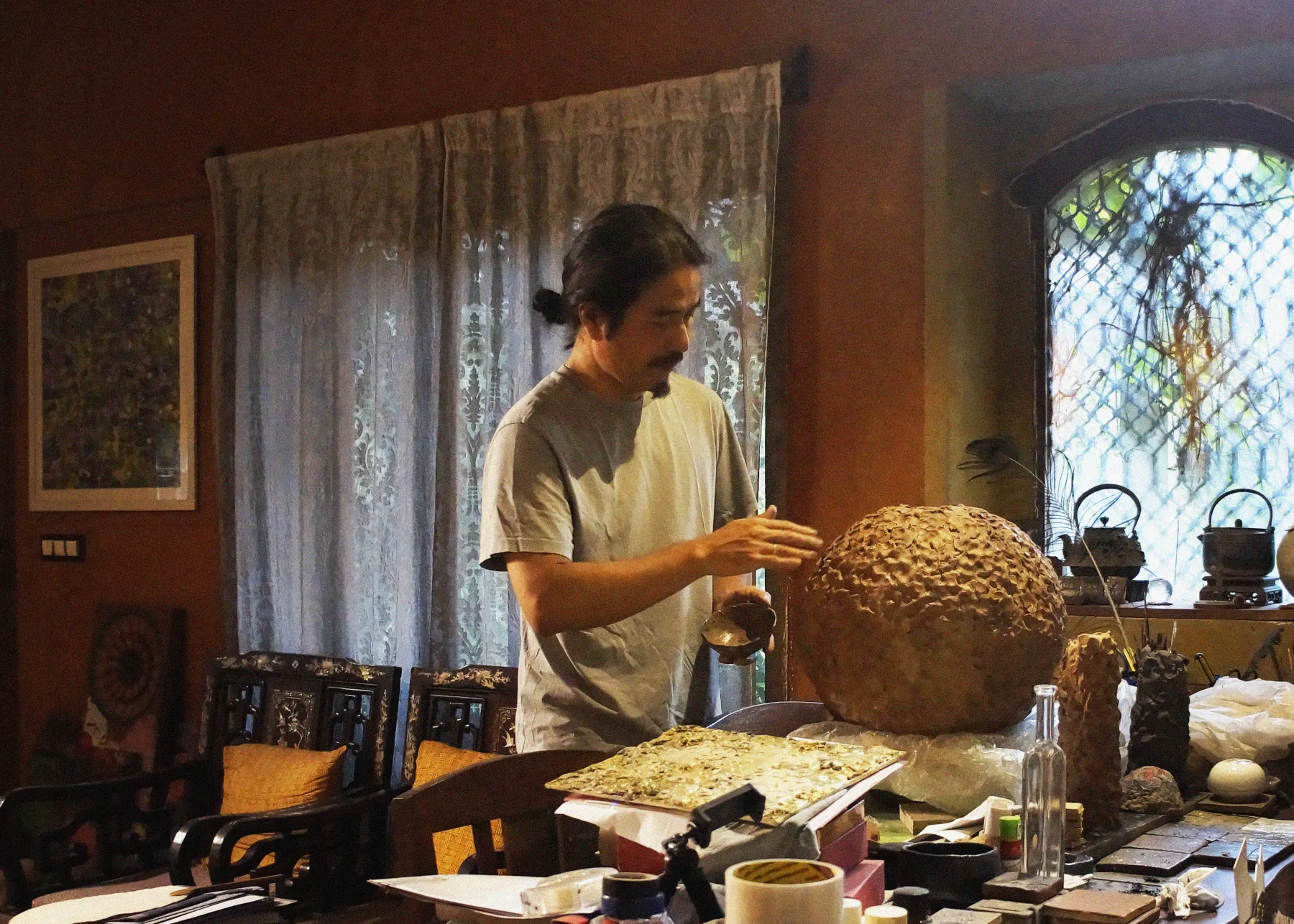
The works in Still Here came together through Eri’s experimental relationship with matter. For his ceramics, he dug local clay from the ground, crushed local stones to create glazes and allowed the behaviour of the materials to guide the results.
“I love paying attention to my own attentions,” he says. “When I make ceramic works, I pay attention to the materials first.”
Painting, ceramics and sound appeared together in the exhibition without being treated as separate territories. Each became another way of making an internal experience perceptible.
“Everything comes from Here—within—and that is timeless to me.”
The exhibition expressed something that has remained consistent throughout his practice: a willingness to work between forms, to listen before deciding and to allow material, space and time to participate in the making.
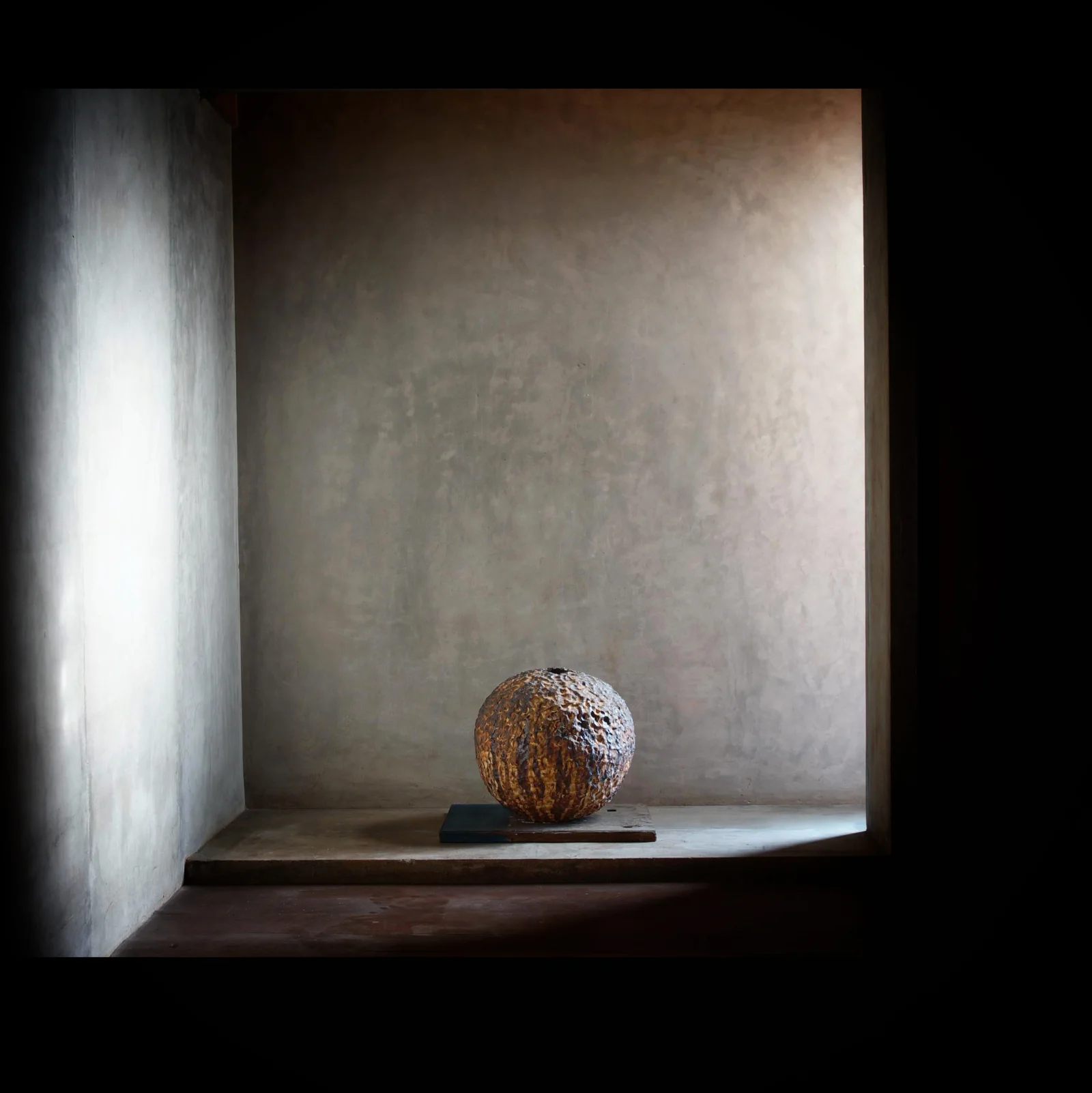
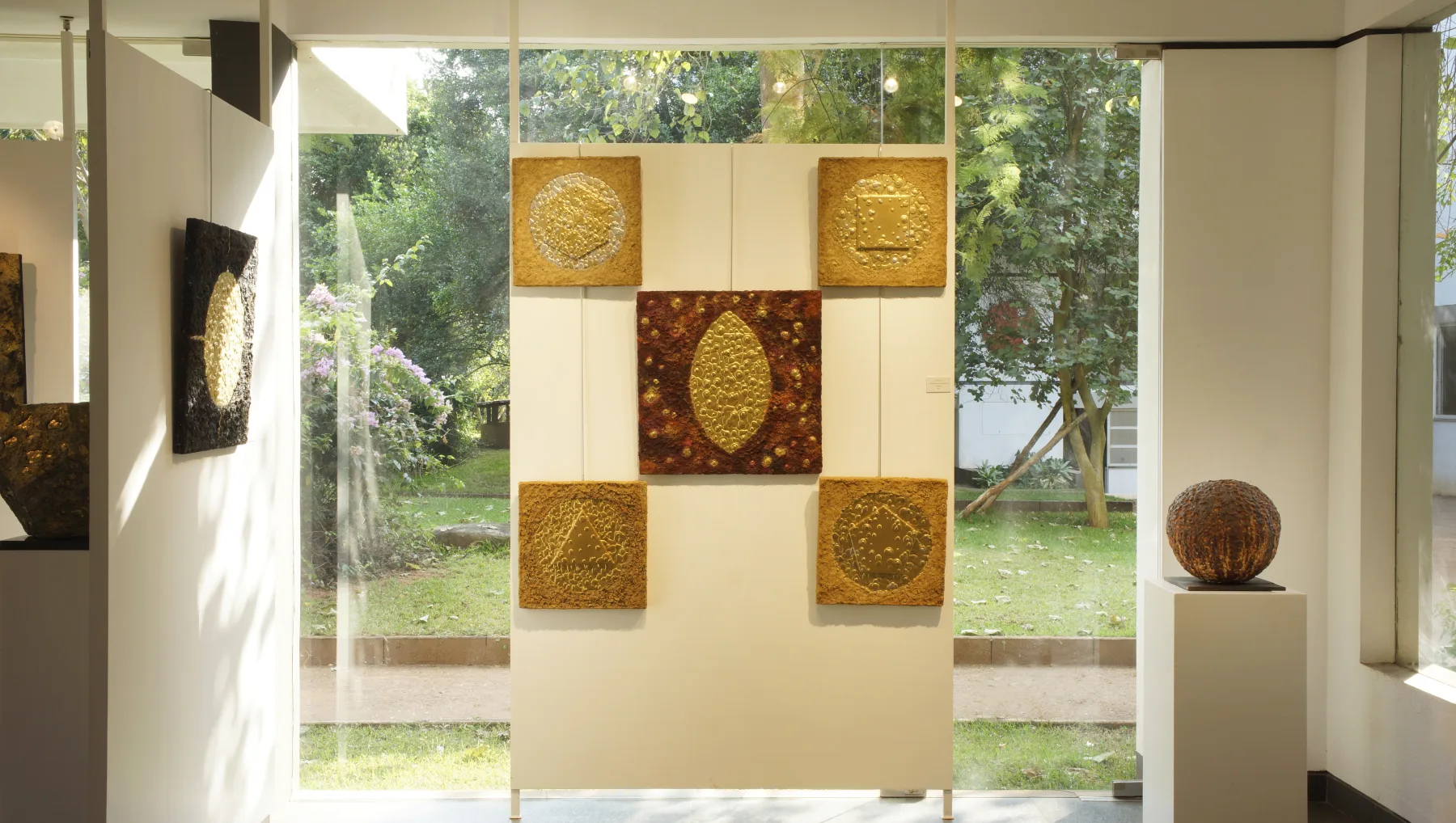
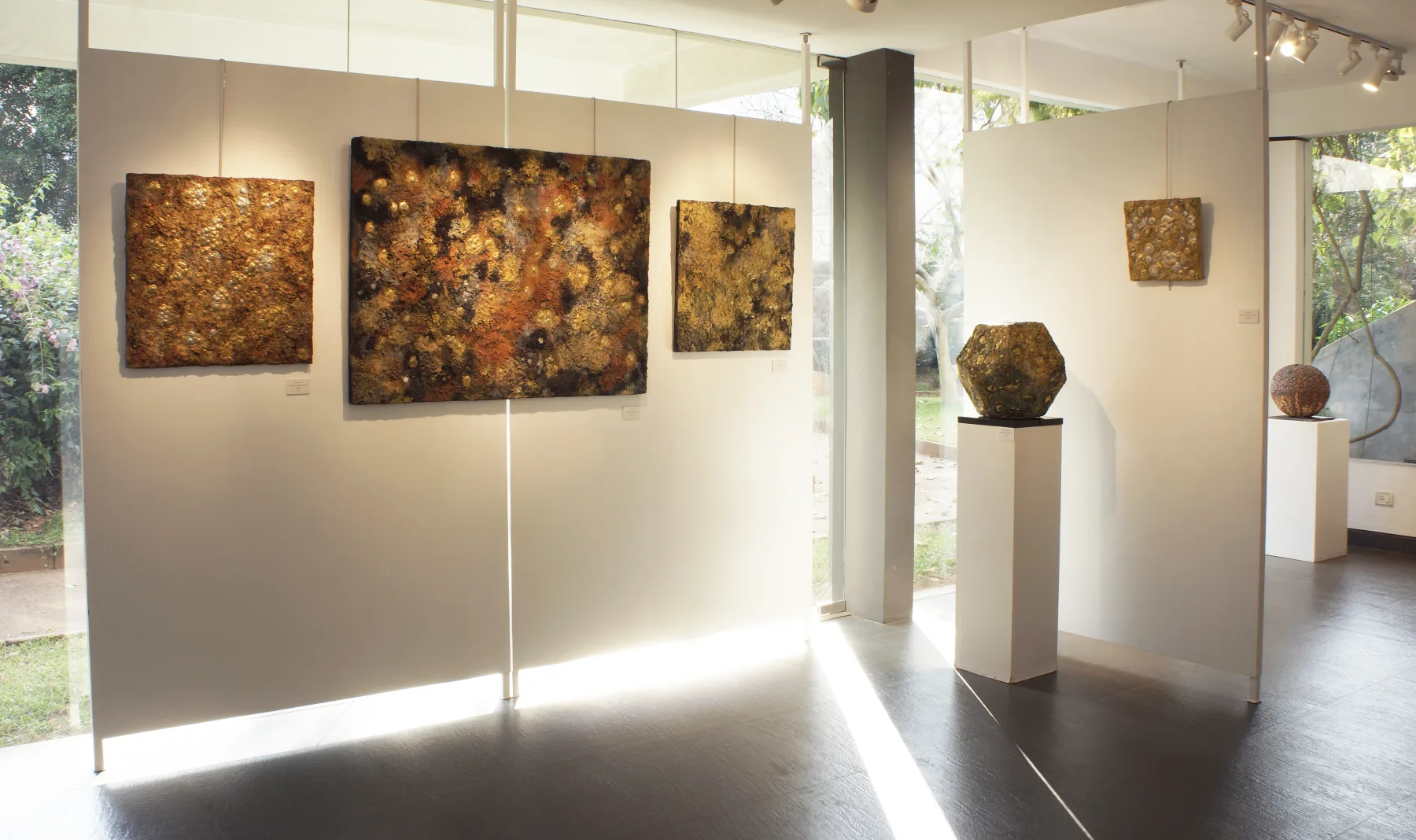
Installation view from Still Here, 2026
Honouring the Gifts of Time
Eri’s reflections on time, culture and the value of what already exists lead naturally towards Tropical Minimalism—an idea he relates to themes he has carried with him since moving to India.
“It is actually a very interesting topic. It is close to one of the themes I have carried with me since I first moved to India.”
Over the past two decades, he has observed Japanese ideas such as Zen, wabi-sabi, ikigai and minimalism being translated into global narratives and increasingly incorporated into design practice in India. Yet he believes that many of these qualities were already present within Indian culture, even if they were not always recognised or appreciated.
For Eri, the beauty of wabi-sabi already existed in India. He points to the restoration of historical sites and temples, where the marks of age have sometimes been concealed beneath new layers of paint. To him, this risks erasing the time and history held within a place.
“I hope that by using these trends as tools, people will begin to appreciate the gifts of time embedded in their own culture.”
His interpretation is not about applying a Japanese aesthetic to a tropical setting. It is about developing the sensitivity to recognise what is already there: the presence of time, the histories carried by materials and the value of allowing age to remain visible.
“Rather than painting over time and untold history to make things look brand new, we can learn to honour it, live with it, and belong to it.”
For Eri, this naturally leads towards minimalism as a way of living and thinking—an understanding of what is sufficient and the ability to say:
“This is just enough for me.”
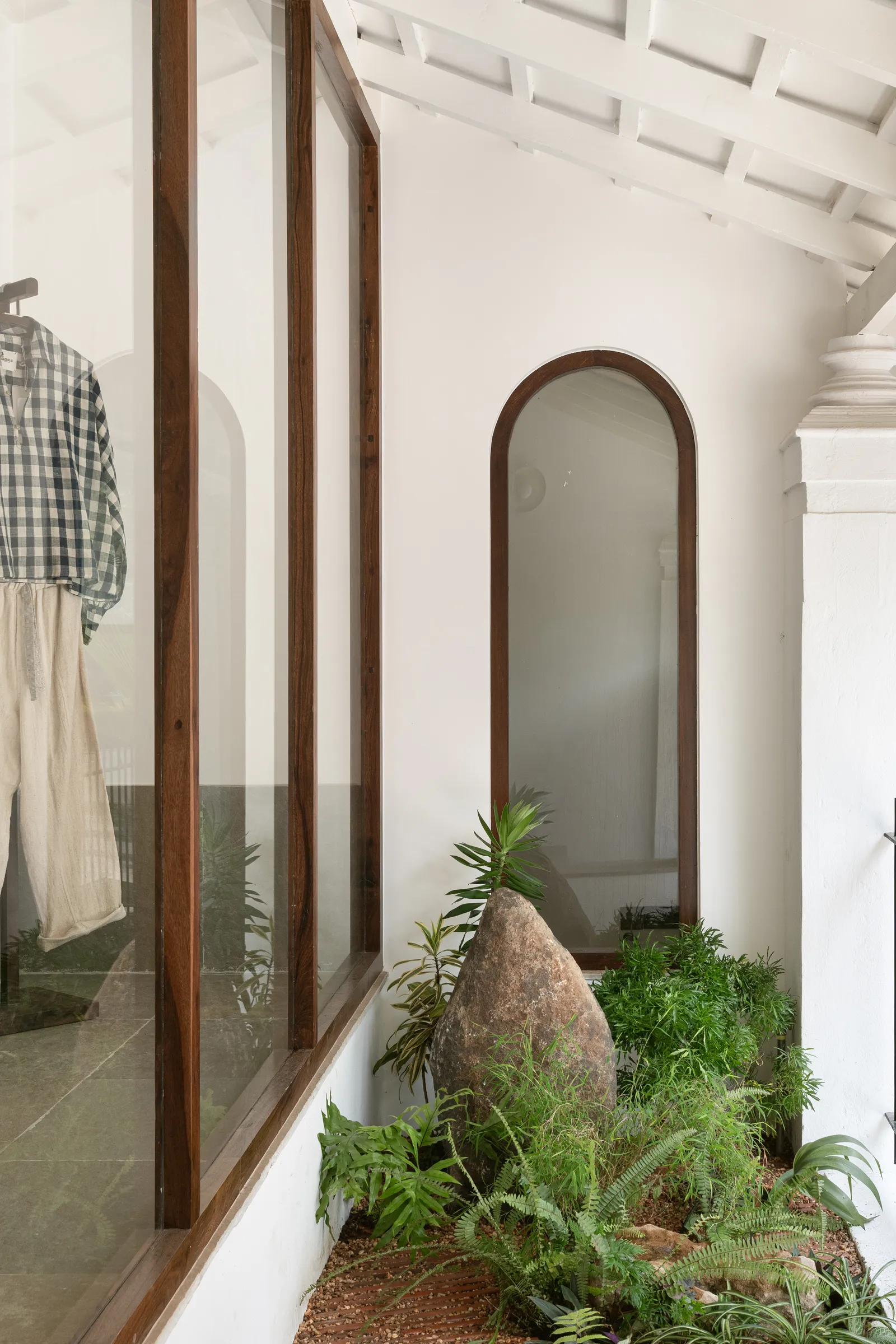
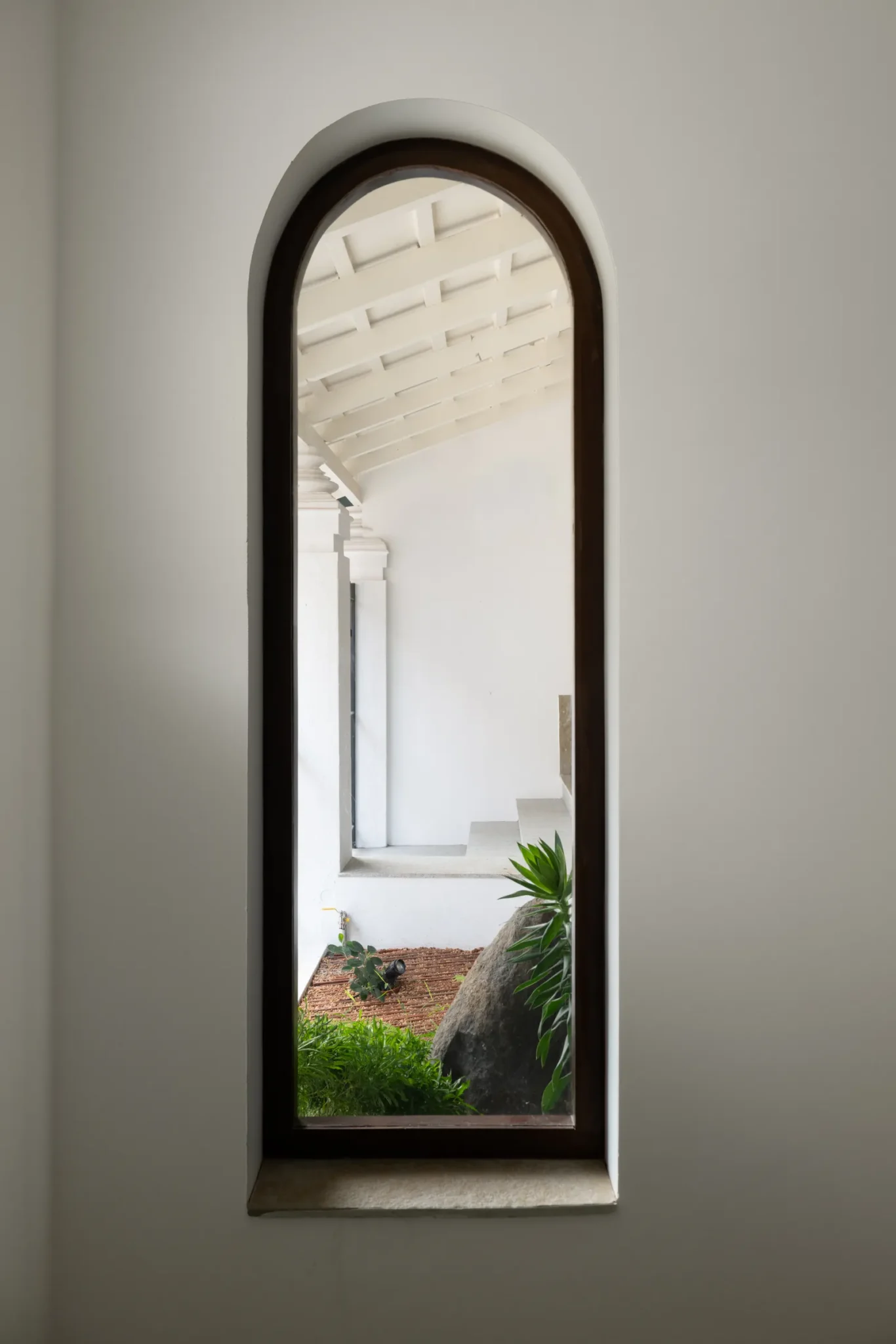
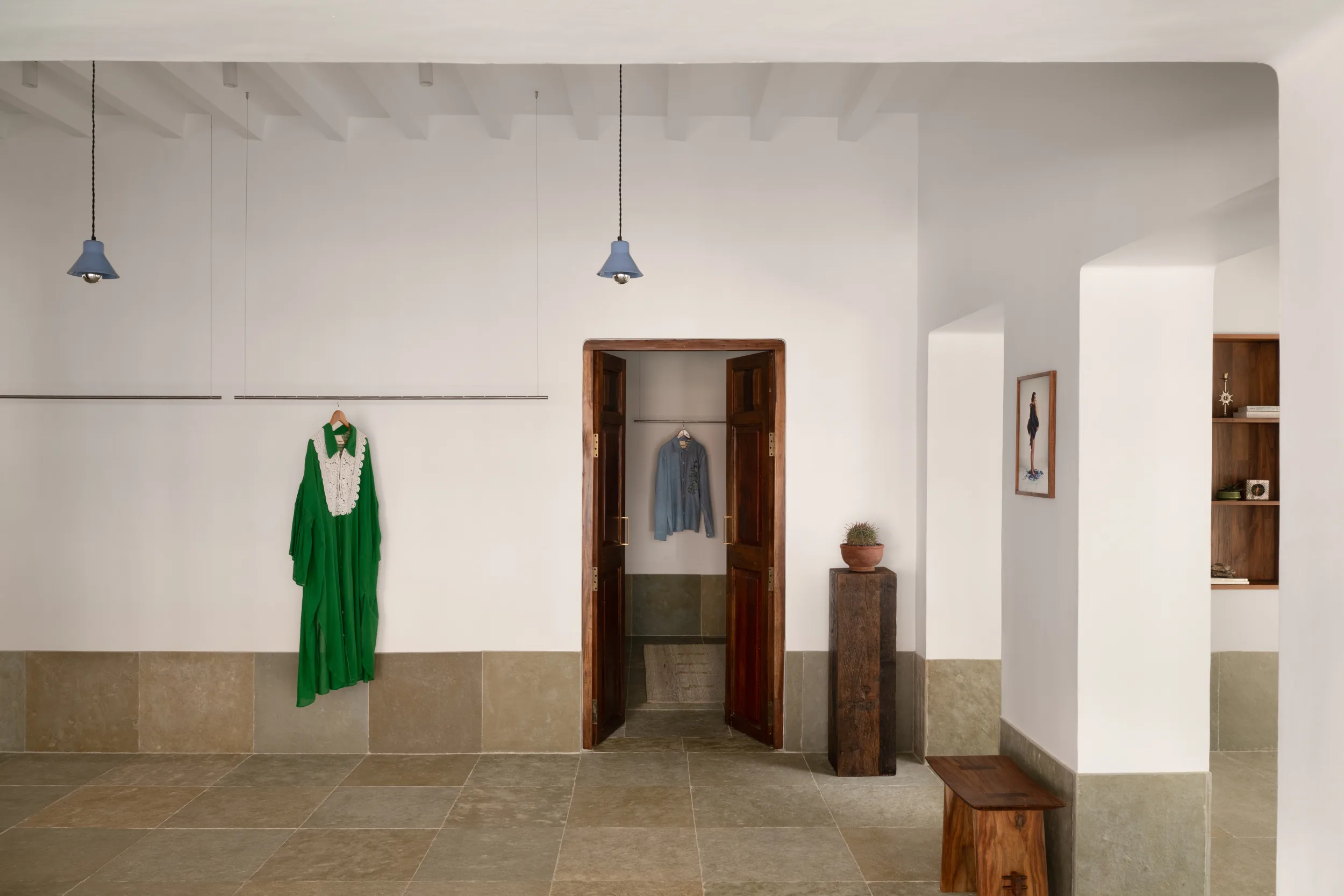
Landscape by Jyoti Naoki Eri at Naushad Ali Atelier. Photography by Nayan Soni.