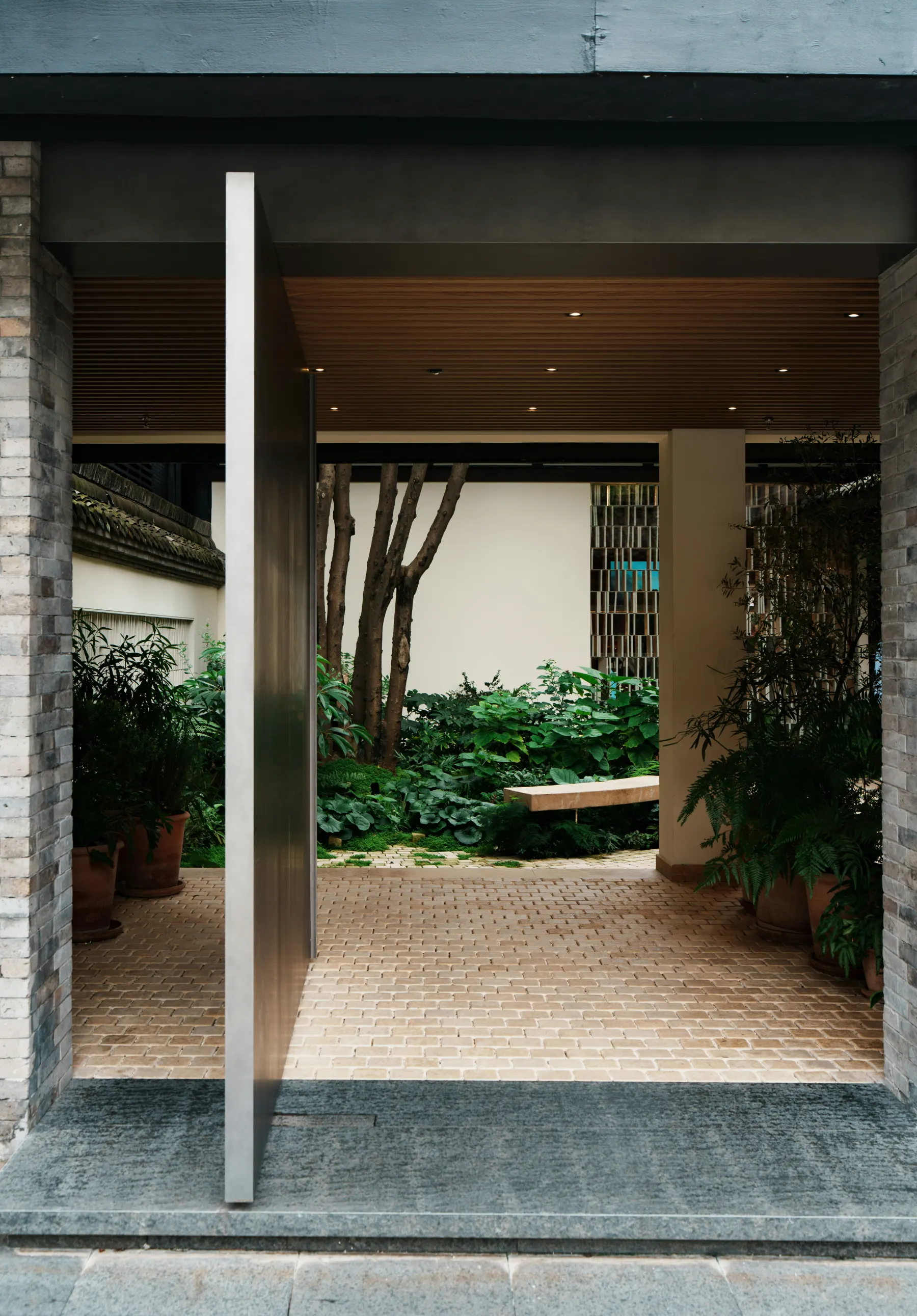
Discover how tropical minimalism can shape a wedding in Sri Lanka, with thoughtful floral design, natural materials and the surrounding landscape inspiring a personal, beautifully considered celebration with I Do Weddings founder Sajani Hansika.
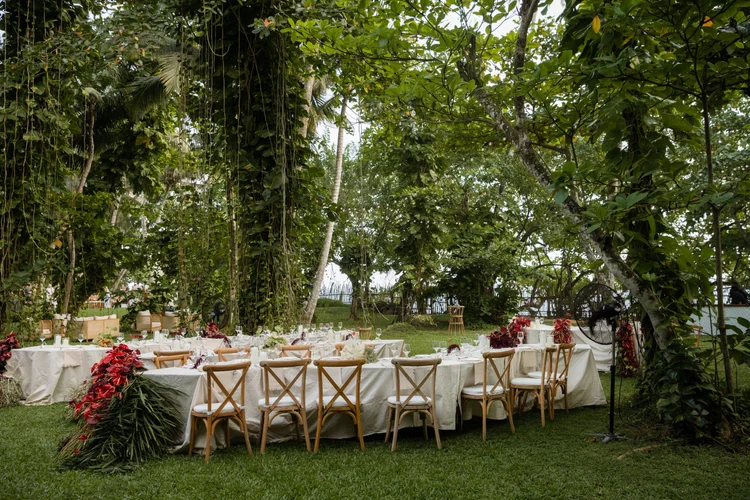
Sri Lanka offers a distinctive setting for a wedding. Tropical gardens, mature trees, traditional architecture and warm natural light provide a wealth of possibilities for design. From bold colour palettes and abundant tropical flowers to sculptural arrangements and natural materials, the possibilities are as varied as the couples themselves.
Tropical minimalism embraces this freedom of expression. It is not about limiting colour, decoration or personal style, but about bringing these elements together with intention. The landscape, architecture, local materials and character of the couple can all inform the design, creating a celebration that feels personal and connected to its surroundings.
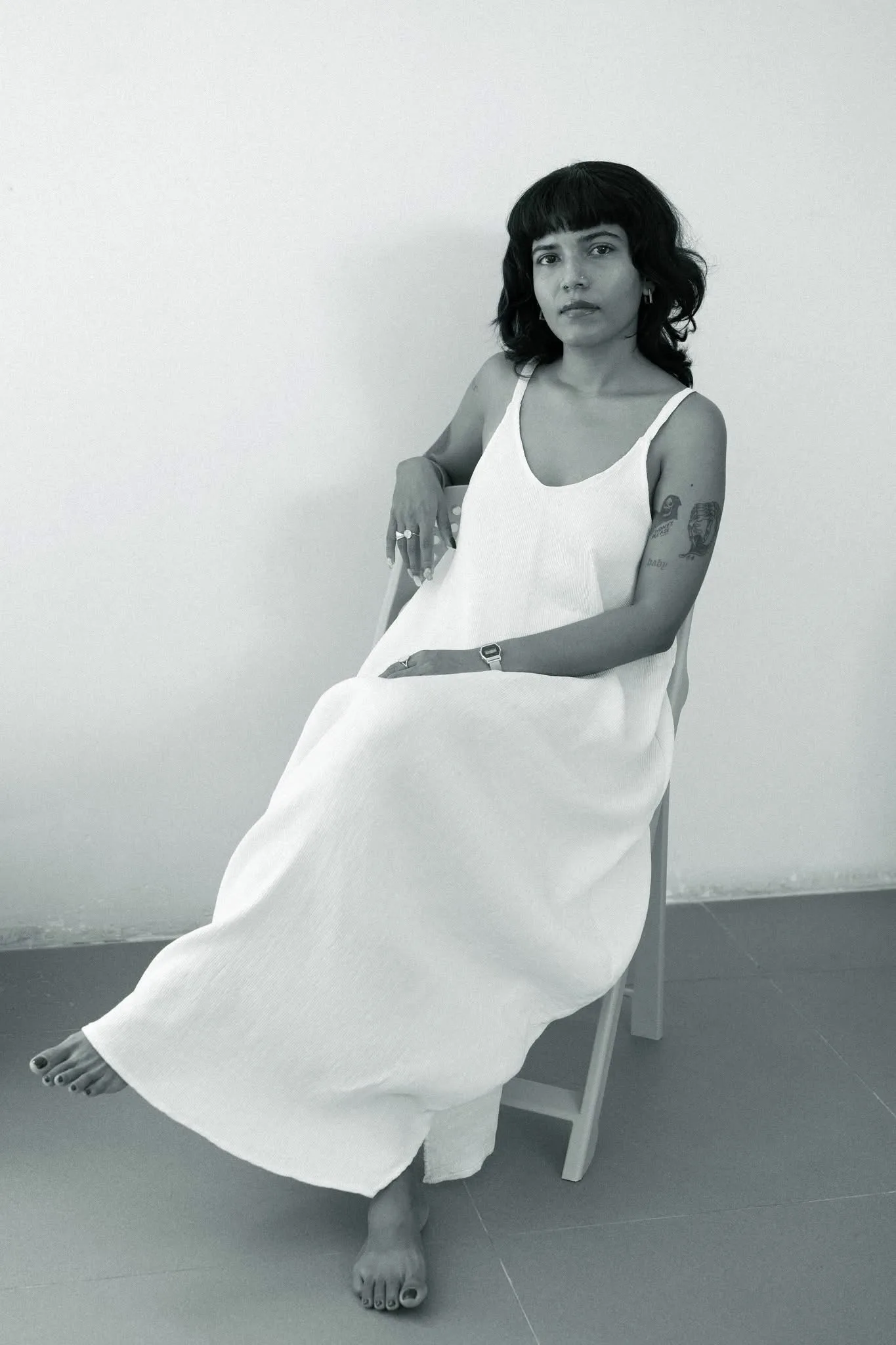
For Sajani Hansika, founder of I Do Weddings, this connection to place is central to creating a memorable celebration. Specialising in wedding styling, bridal bouquets, floral arrangements and intimate décor setups, she looks for ways to translate each couple’s story into colour, texture, flowers and atmosphere.
For couples planning a tropical wedding, her approach offers a useful starting point: explore what the setting has to offer, consider what matters most to you, and bring the two together to create a celebration that feels distinctly your own.
Before deciding on flowers, furniture or a colour scheme, spend time understanding your venue.
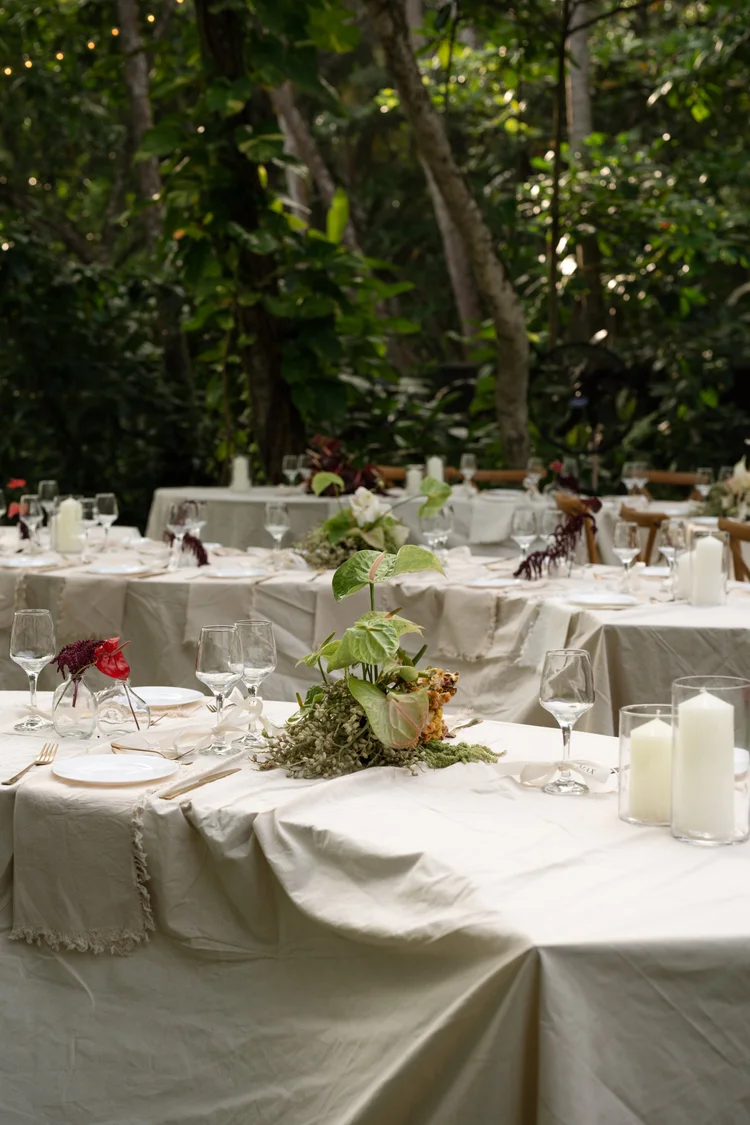
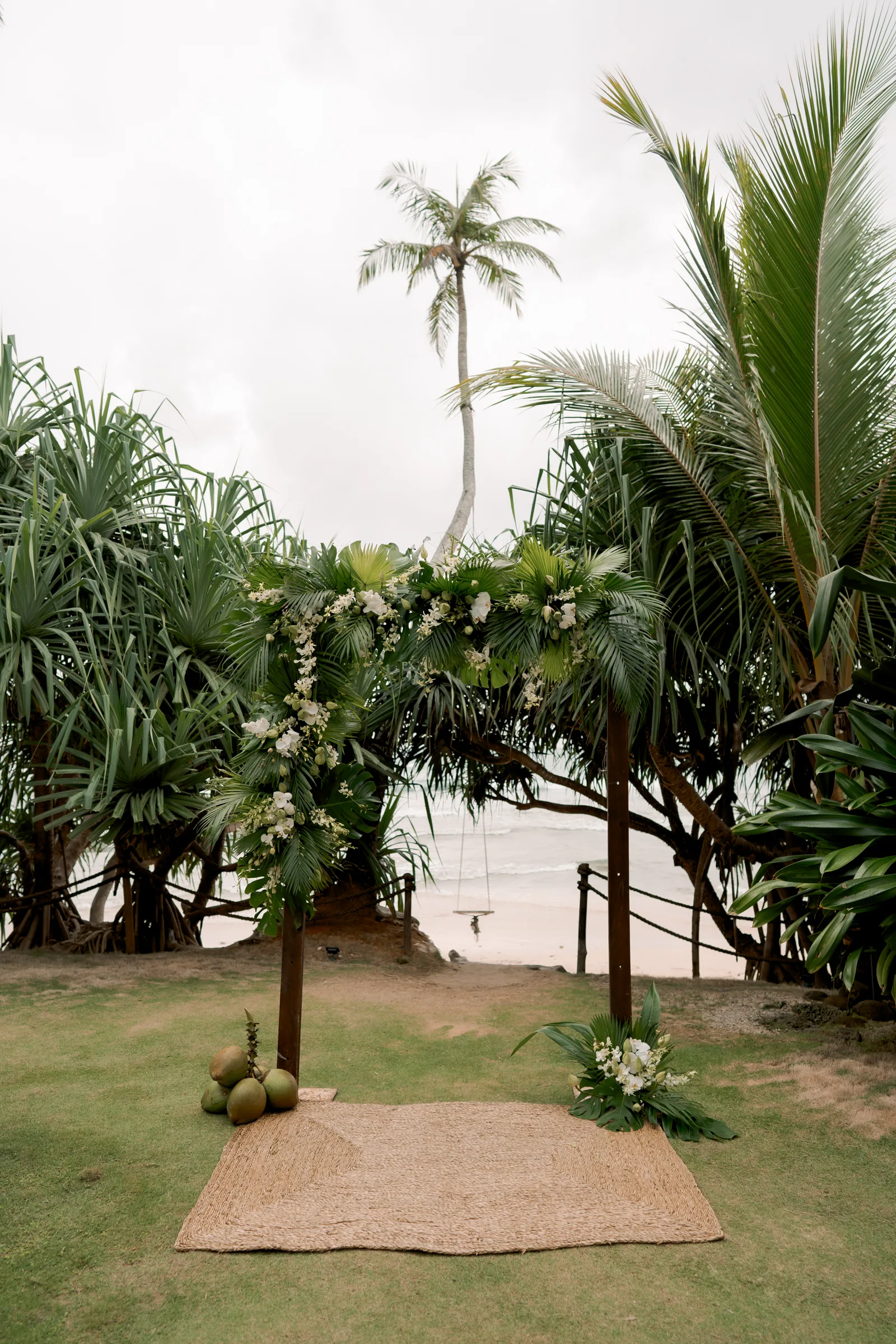
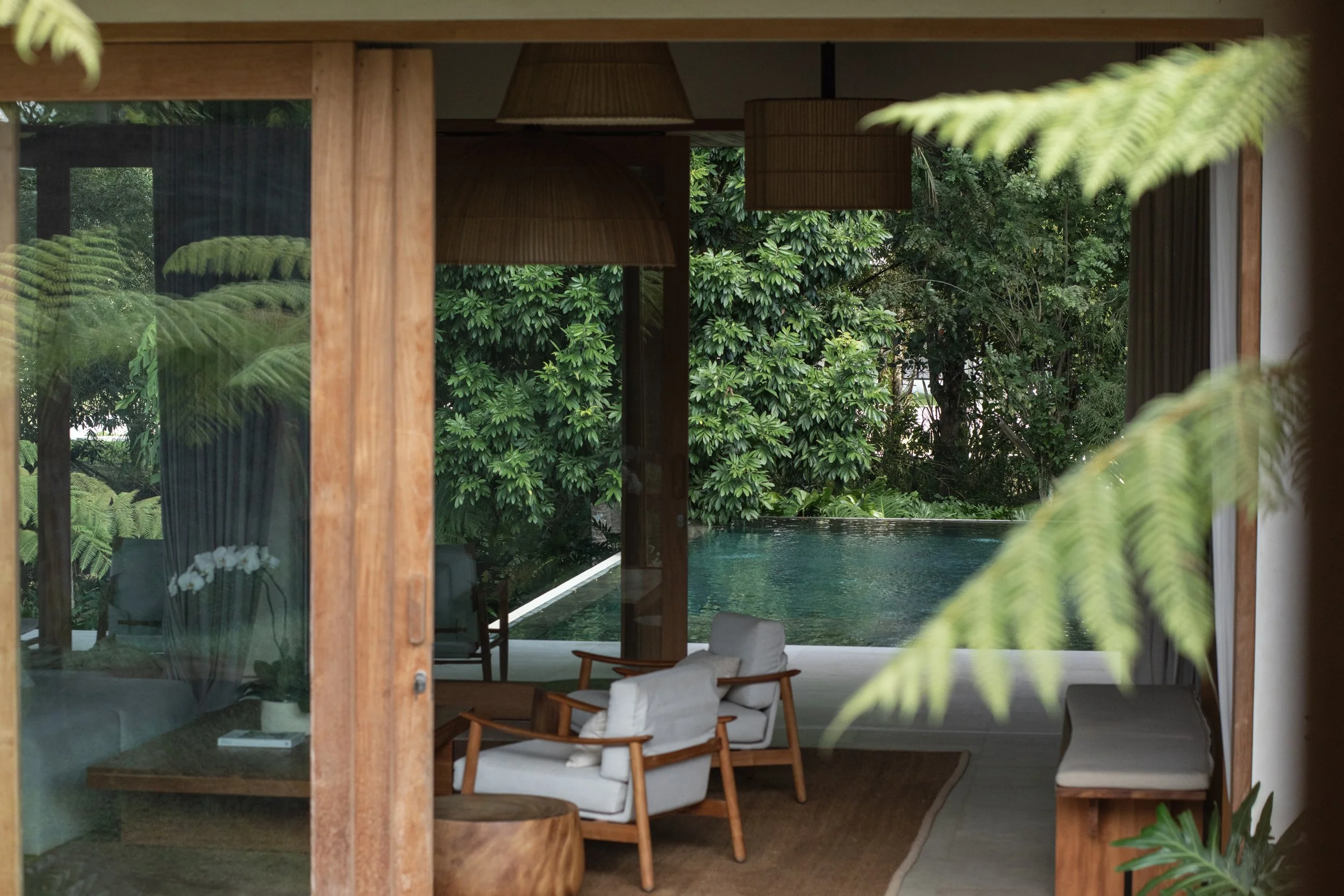
A wedding in a garden surrounded by mature trees calls for a different approach from one in a historic villa or an open landscape by the beach. Each setting has its own architectural features, light, textures and natural character. These are not merely details to work around; they can help determine the visual direction of the celebration.
Sajani sees the existing landscape and architecture as part of the design rather than a backdrop to be covered with decoration. As she explains:
“For me, the landscape, architecture and natural surroundings are a huge part of the design process. I don’t see them as just a backdrop; they are part of the design itself.”
Before adding anything, she considers what is already there: how the light falls, how the space feels and what makes that particular location special.
“Sometimes, the best design decision is knowing what not to add.”
Sajani Hansika
This can be especially valuable in Sri Lanka, where a venue’s trees, gardens, architecture or views may already provide much of the atmosphere a celebration needs. Rather than covering these features with elaborate installations, the design can draw attention to them.
Where to begin: Visit the venue at the time of day when the ceremony or reception will take place. Notice the direction of the sunlight, the existing colours, the available shade and the features you want guests to experience. Use these observations to guide your design choices instead of trying to impose a pre-existing look on the space.
Tropical wedding design is about more than creating a recognisably tropical look. In Sri Lanka, the landscape, architecture and natural surroundings already offer so much inspiration. Rather than imposing a theme on a setting, couples can draw from what is already there, allowing the location to guide the design and create a celebration that feels natural to its surroundings.
Sajani grew up in southern Sri Lanka, surrounded by lush greenery and coastlines. Over time, helping her husband with his photography and working with destination wedding couples changed how she saw these familiar surroundings. She began to notice how natural light, textures and the landscape could contribute to a wedding setting.
Her approach is not to apply a recognisable tropical style to every venue, but to understand what makes each place distinctive.
“I think it’s about understanding the place rather than just bringing tropical flowers and colours into the design. For me, it’s about working with what is already there, the landscape, the natural light, the textures, the local flowers, and the feeling of the place.”
This leaves room for a wider visual language. A tropical setting can work with muted tones, deeper colours, sculptural flowers or a restrained arrangement of natural materials. The aim is not to make every element look tropical, but to create a composition that feels appropriate to its location.
Where to begin: Start with two or three qualities of the location that you want the design to reflect. These might be the architecture, the surrounding vegetation, the colours of the landscape or the atmosphere at a particular time of day. Use them to guide your choices of flowers, materials and colour rather than trying to incorporate every tropical reference at once.
Flowers are often among the first design decisions couples make, but choosing them only by colour can overlook their shape, texture and natural character.
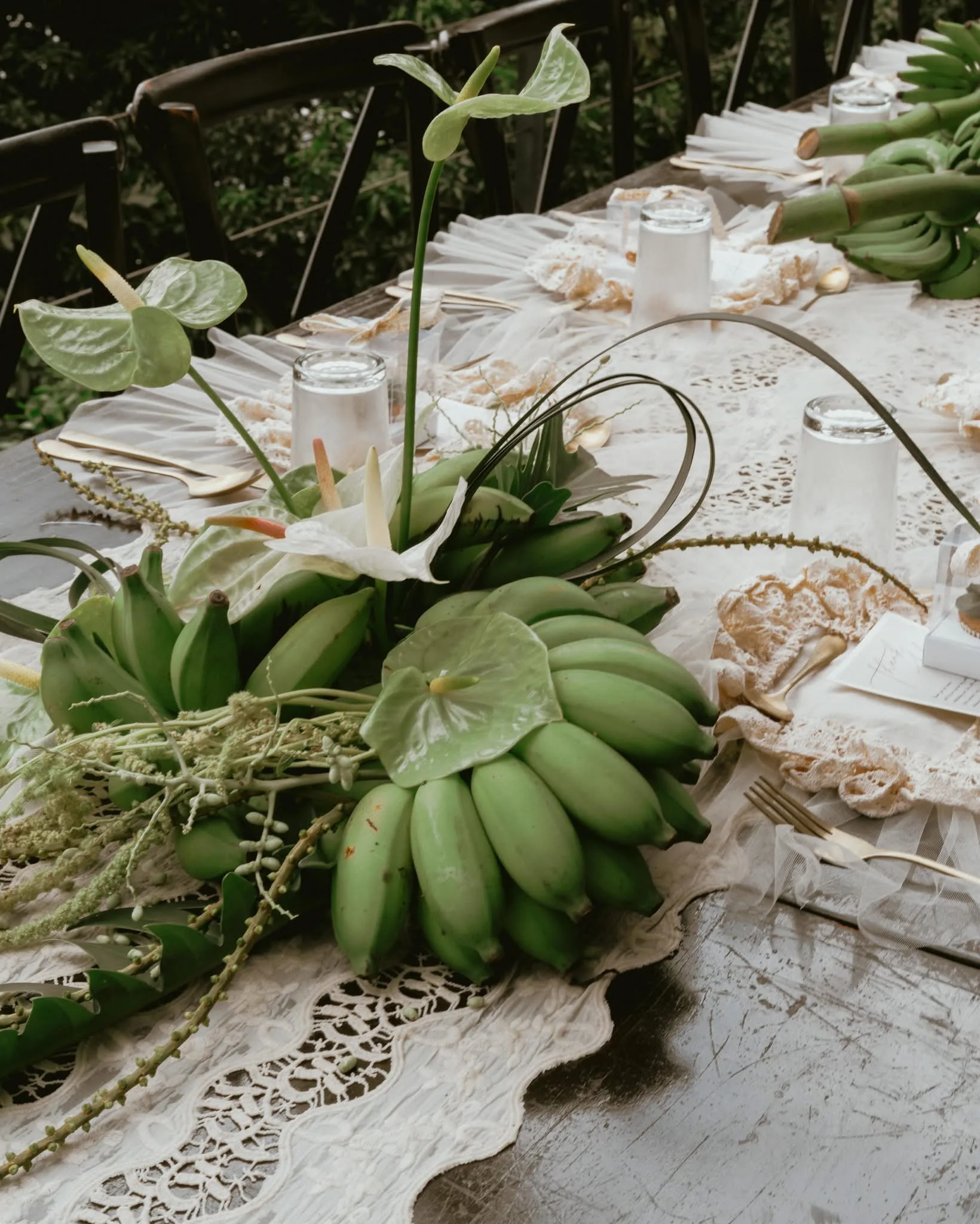
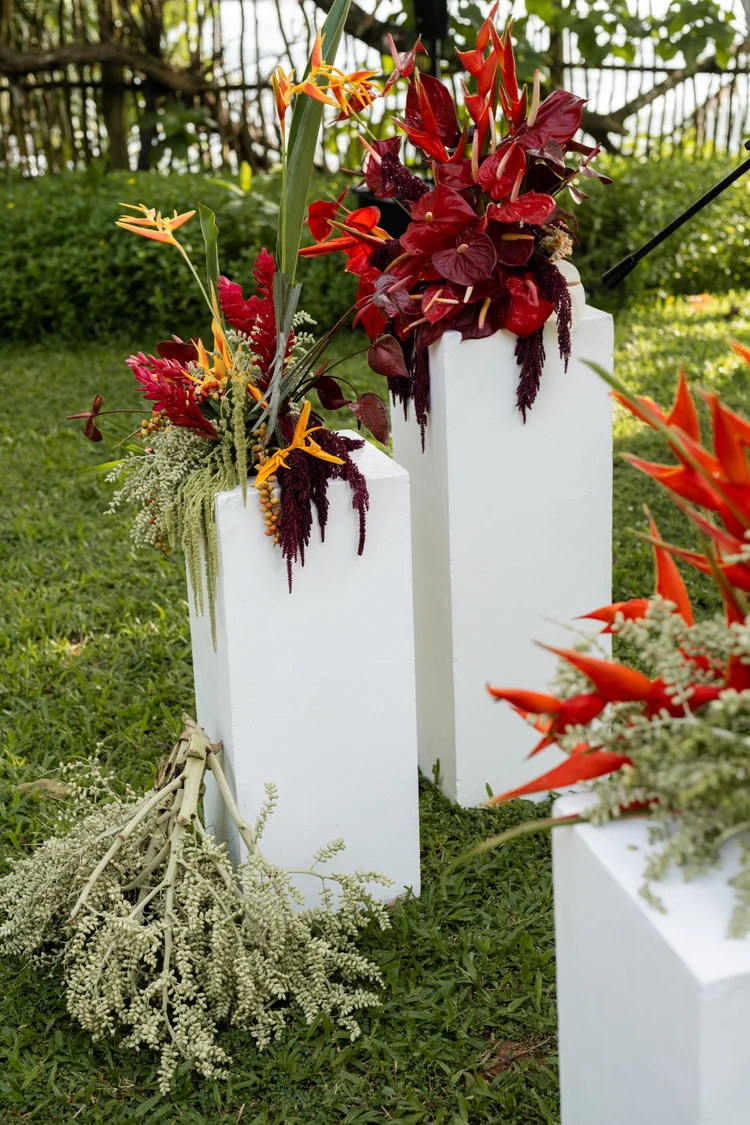
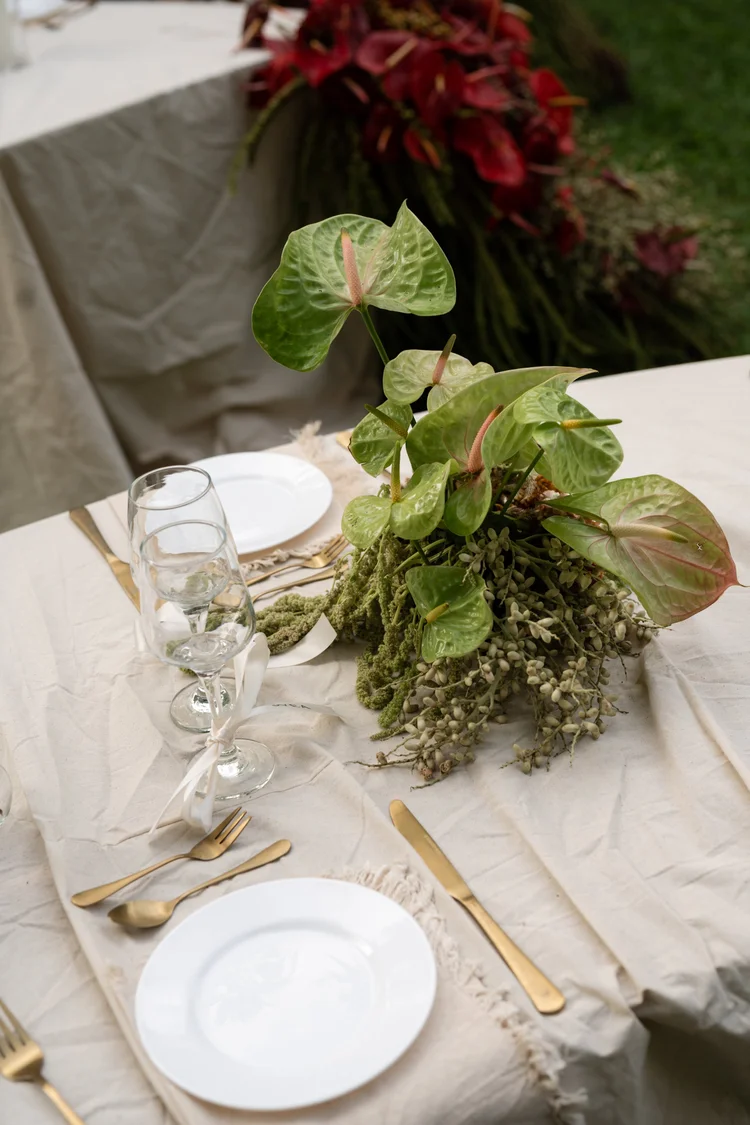
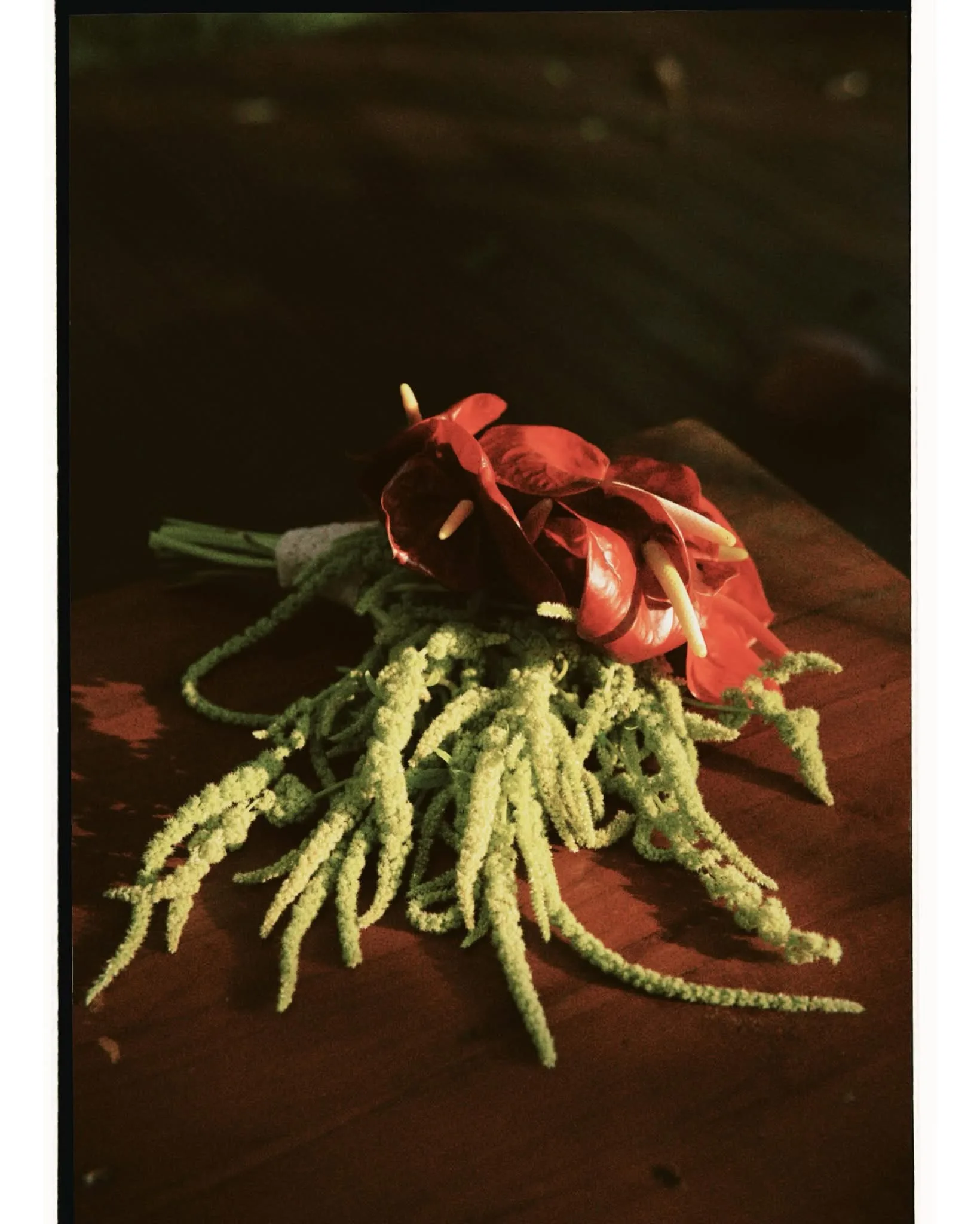
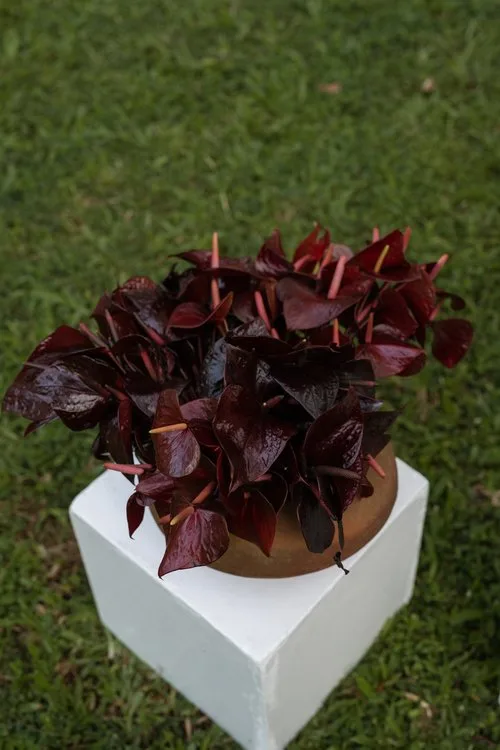
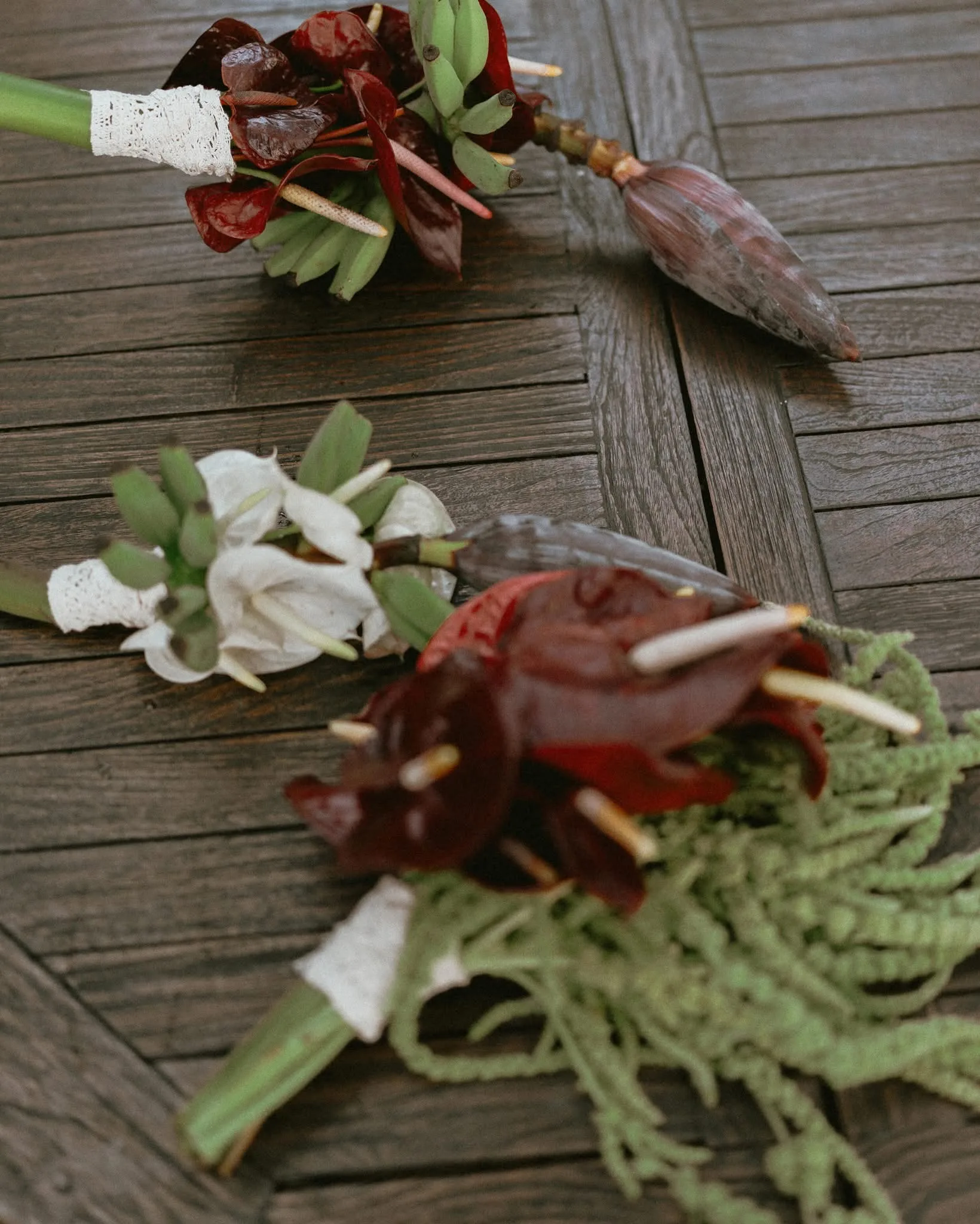
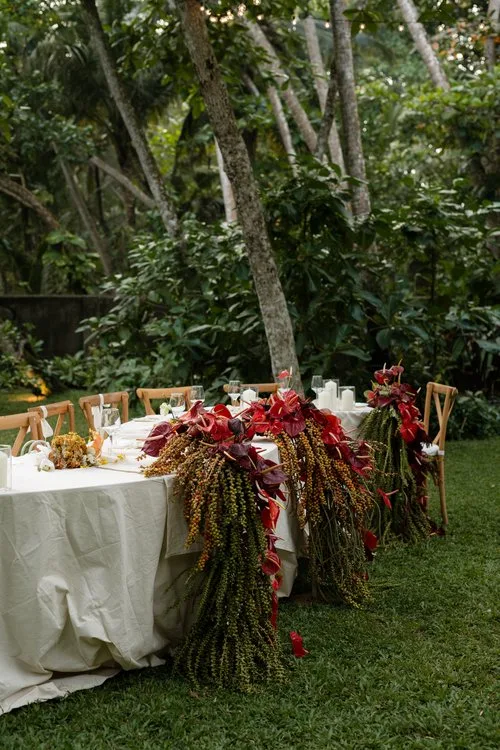
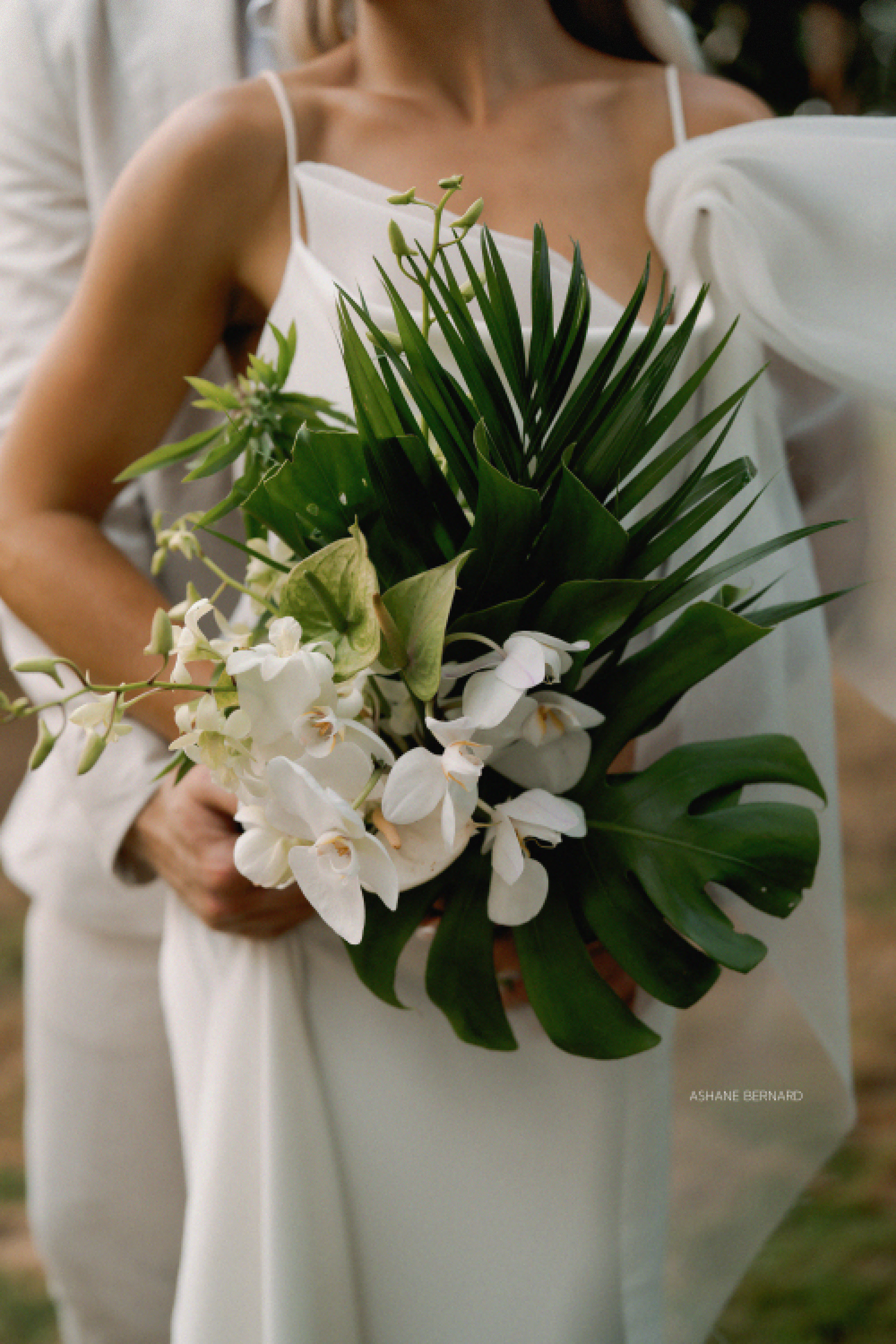
Sajani is particularly drawn to tropical flowers such as anthuriums and orchids, exploring their sculptural forms and using them in unexpected ways. She also enjoys allowing individual flowers to retain their natural character, including the shape of their stems.
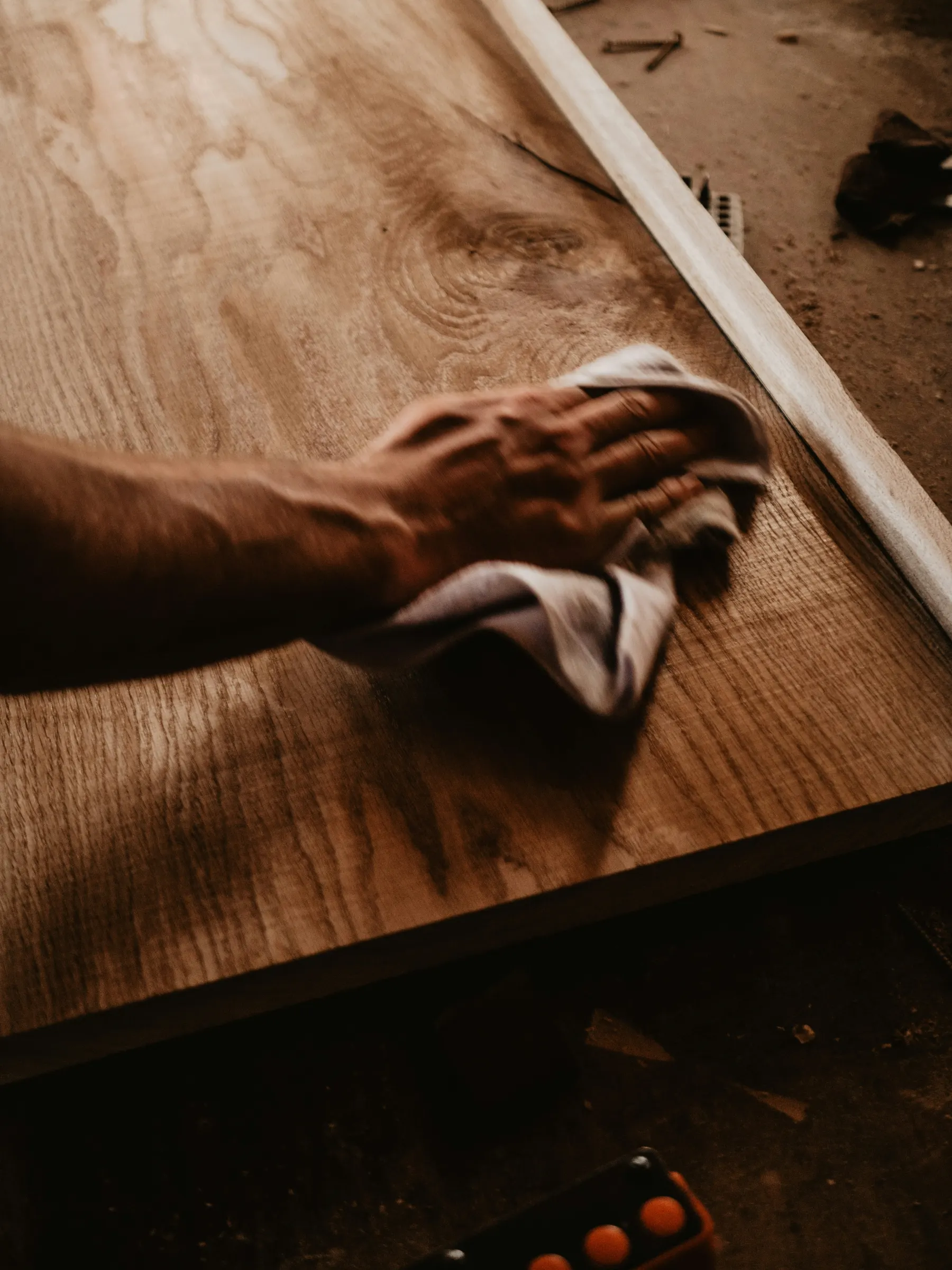
“I love working with different textures, combining something raw and natural with something more refined.”
For her, tropical design offers room to experiment with combinations that might not be conventional. A single flower or particular shade can become the highlight of a design, rather than being lost among large quantities of blooms.
Local and seasonal flowers and foliage can also help connect the celebration to Sri Lanka. Their availability and suitability will depend on the time of year and the wedding location, so these choices are best discussed with a florist who understands local conditions.
Where to begin: Discuss flowers in terms of form and texture as well as colour. Share what you are drawn to, but remain open to alternatives that are locally available and suited to the setting. Ask how arrangements will look in the actual space and light, not only in reference photographs.
A minimal wedding is not necessarily a sparse one. The distinction lies in how carefully its elements are chosen.
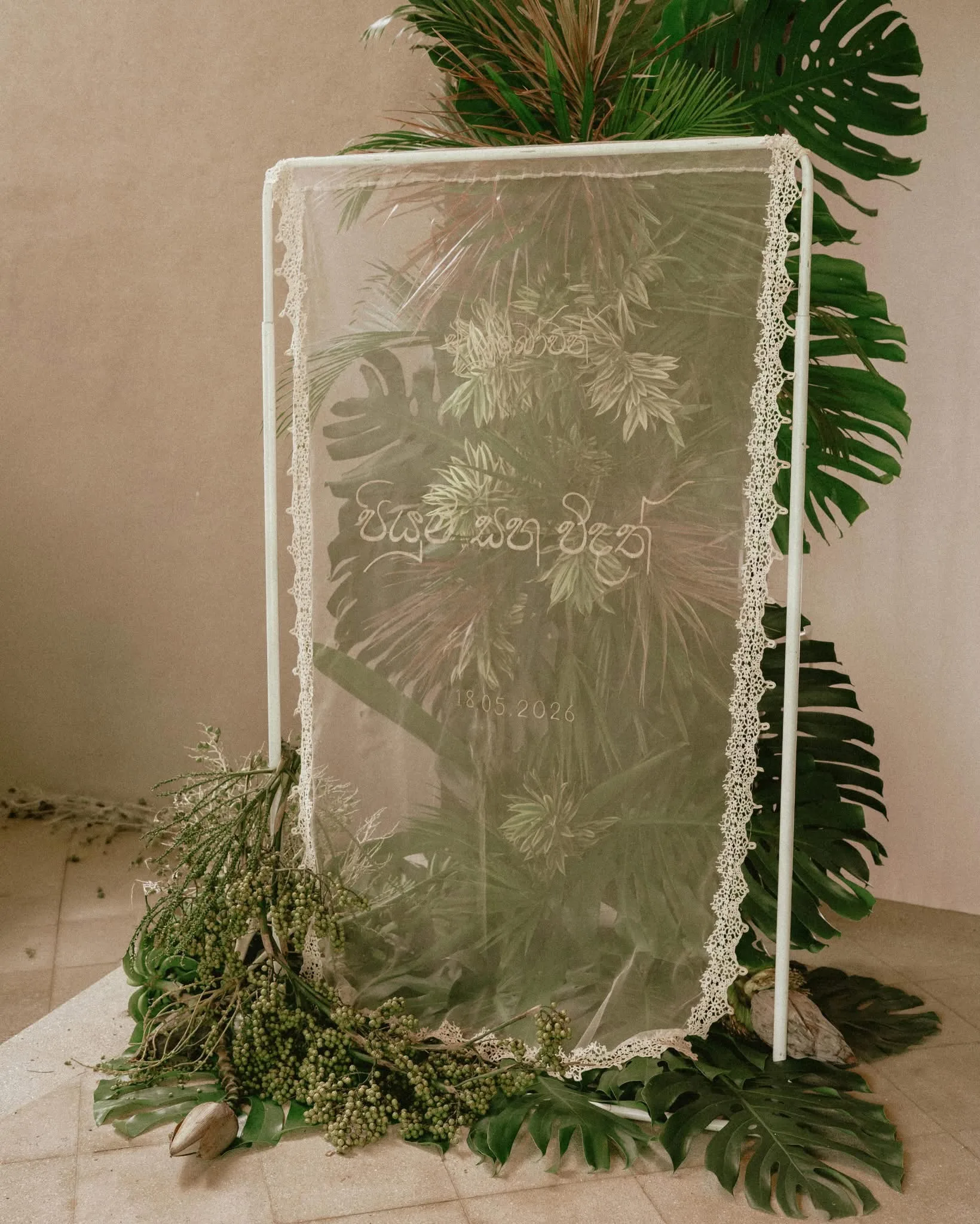
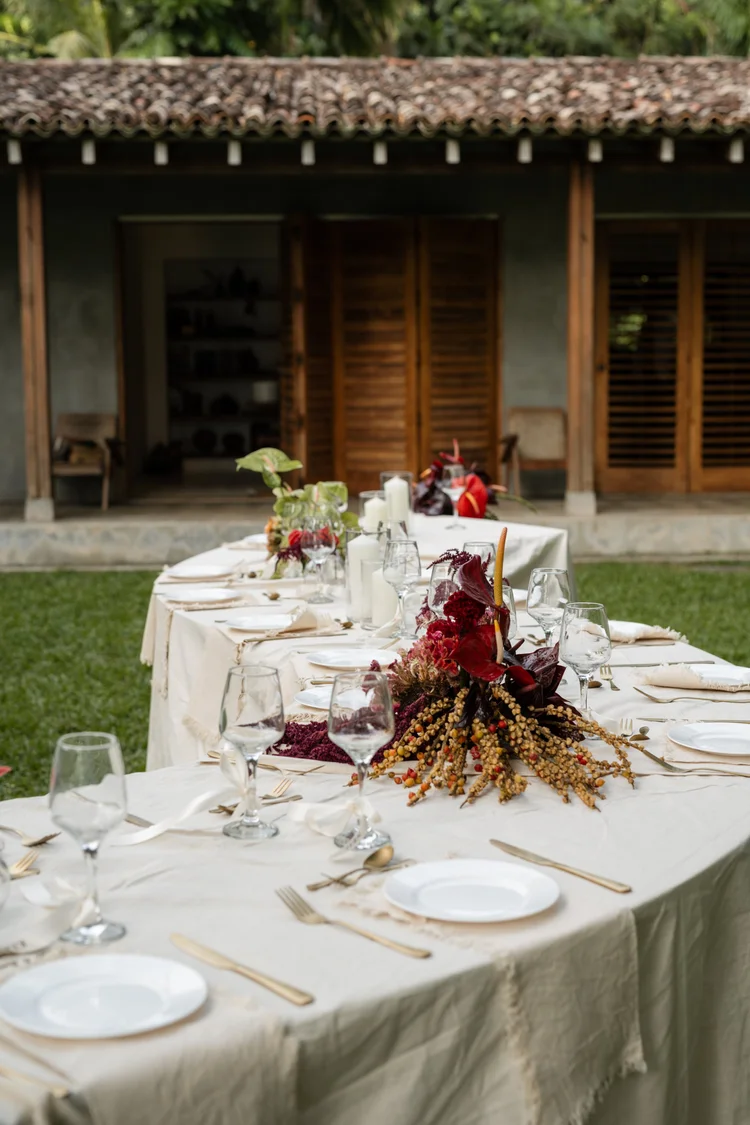
Sajani approaches styling through the relationship between colours, textures, flowers and their surroundings. She enjoys bringing raw, natural materials together with more refined elements, and exploring combinations that feel a little unexpected.
Her understanding of minimalism is not about removing everything that is unnecessary by a fixed set of rules. It is about making deliberate decisions about what belongs in the design.
“For me, minimalism doesn’t mean having less of everything; it means being intentional about what you choose to include.”
Sajani Hansika
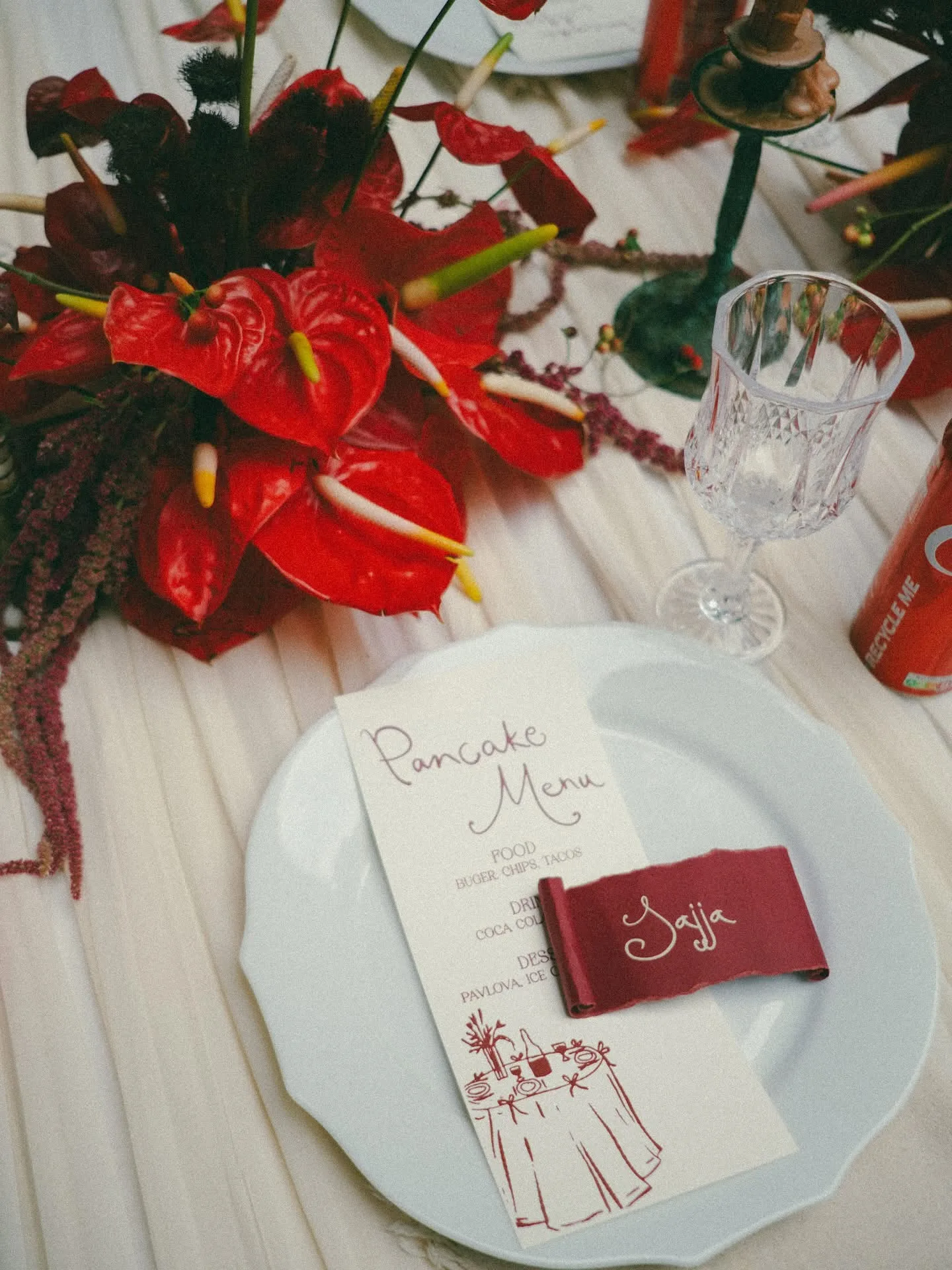
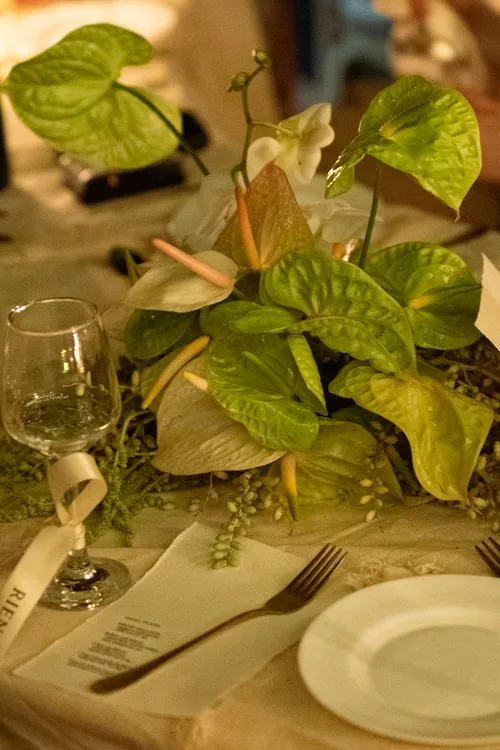
Instead of filling a venue with decoration, couples can consider how a smaller number of elements might work together. The texture of a material, the shape of a floral arrangement, a thoughtfully styled table or the placement of lighting can each contribute to the atmosphere.
The same principle applies to luxury. A celebration does not need to be visually elaborate to feel considered.
“For me, luxury is not about how much you spend or how much décor you have; it’s about the thought behind every detail.”
Where to begin: Identify the elements that matter most to you, whether that is the ceremony setting, the flowers, the tablescape or the event atmosphere. Give these areas attention, then edit the rest. Avoid decorating every corner simply because it is available.
A tropical wedding needs to bring the couple's ideas to life, but it also needs to work in tropical conditions.
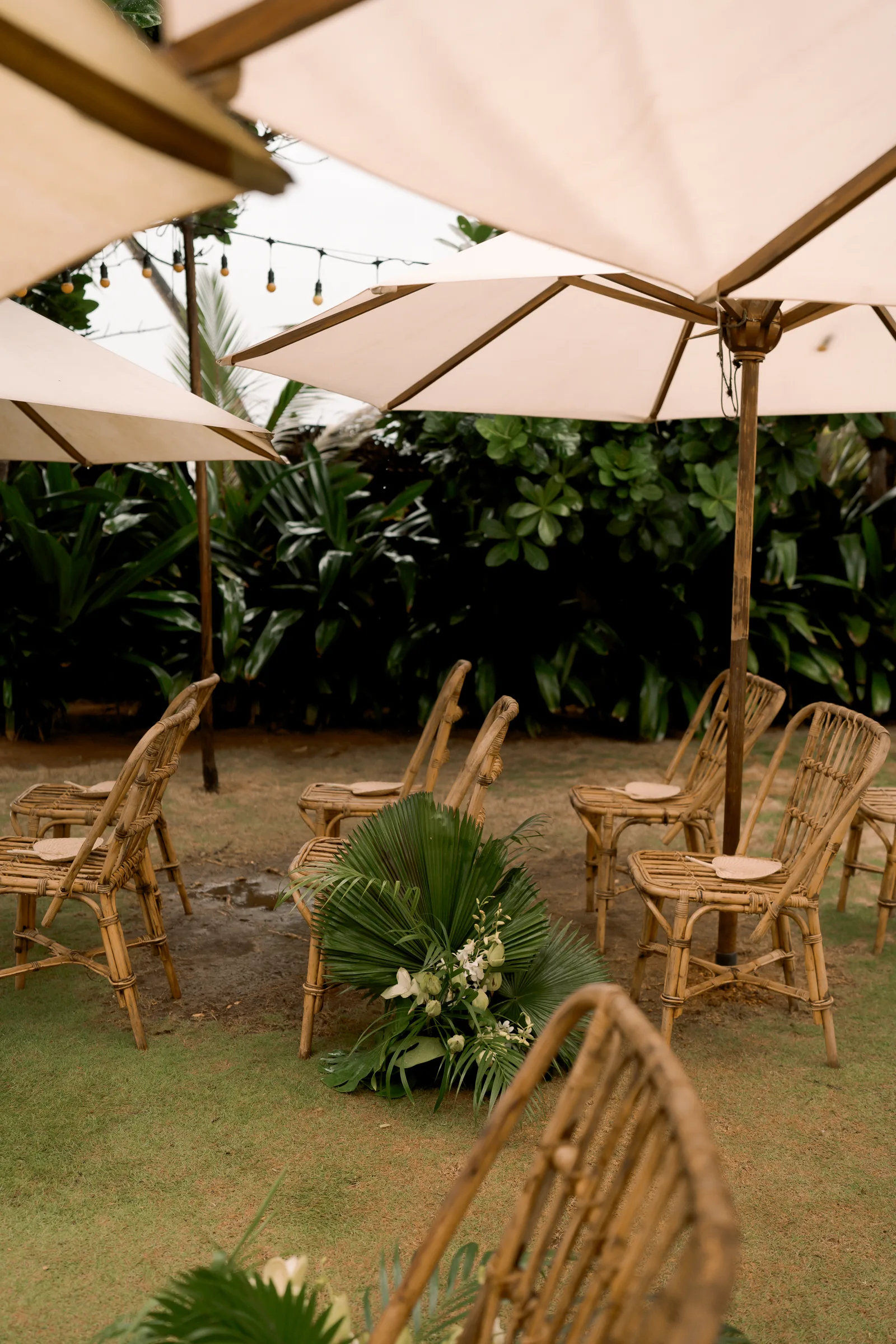
Strong sunshine and heavy rain can influence how a celebration unfolds. These considerations affect more than guest comfort; they can also shape the timing of the ceremony, the placement of furniture and the suitability of flowers and materials.
Sajani sees the climate as part of the character of a tropical wedding. She appreciates the intensity of the landscape in bright sunlight, as well as the way it changes after rain.
“I love how tropical settings look under bright sunlight, but I also think there is something special about how the colours and textures become richer after the rain.”
Rather than seeing the weather only as a limitation, she sees it as part of the beauty of a tropical setting. For couples, however, embracing the climate should go hand in hand with practical preparation.
Where to begin: Consider shade, ventilation, guest movement and a suitable rain plan when assessing your venue. Ask your planner and florist which flowers and materials are suited to the conditions. Think through alternative arrangements for the ceremony or reception in case the weather changes, and make sure these plans are considered from the beginning rather than left until the final stages.
A wedding’s environmental impact is shaped by many decisions: where materials come from, how flowers are arranged, whether décor can be reused and what happens to everything after the celebration.
For Sajani, sustainability also presents an opportunity to approach materials more creatively. She explores natural alternatives to traditional floral foam wherever possible, and looks for designs that do not always require water-based setups.
She also looks for ways to give discarded materials a new purpose. In one project, she used corn husks as part of a décor design, turning a material that would normally be considered waste into an unexpected design element.
“I also love finding beauty in things that are usually thrown away.”
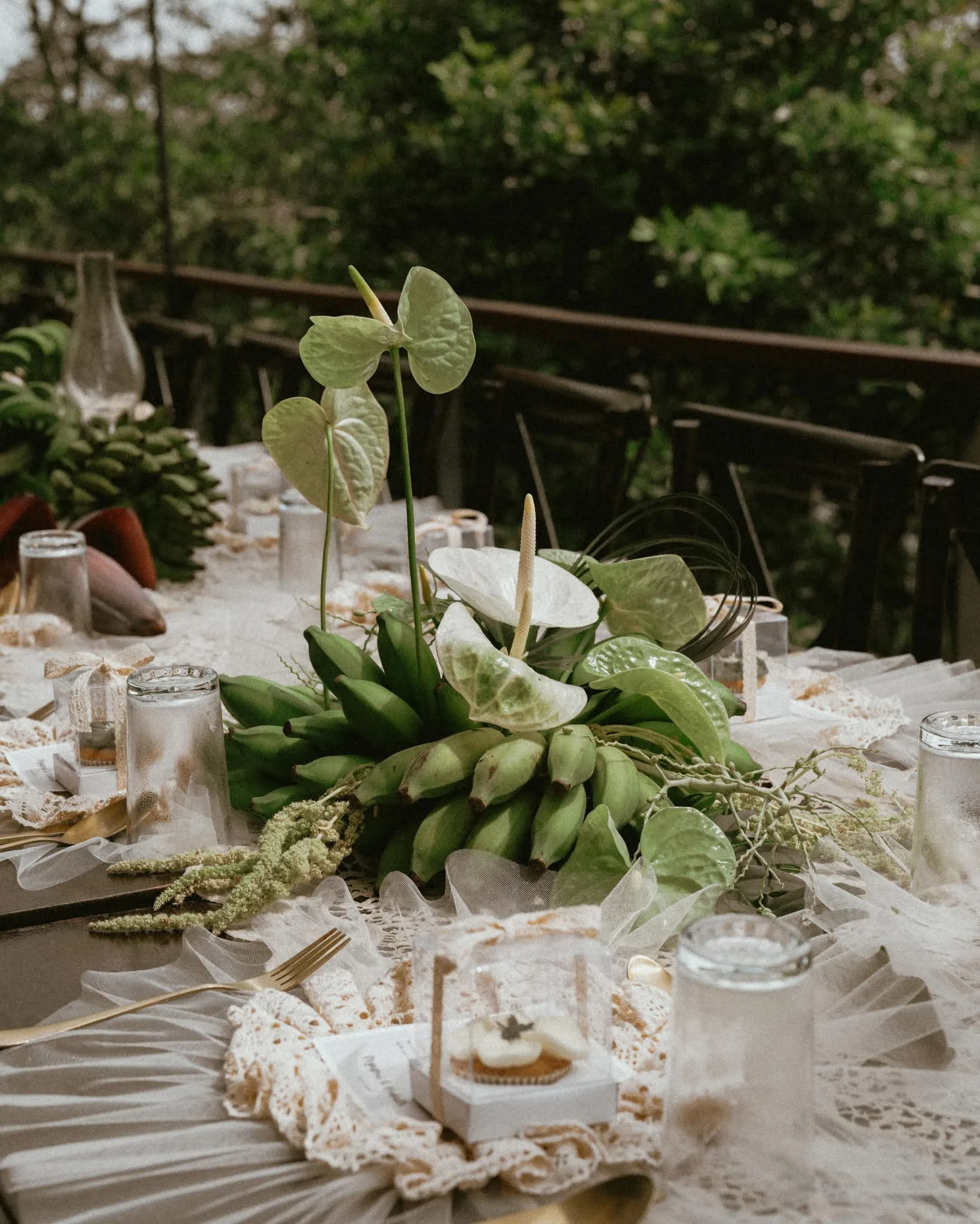
This way of thinking can extend across the wedding. Seasonal, locally grown flowers and foliage, reusable materials, locally made welcome gifts and menus featuring regional ingredients can make the celebration more connected to its destination. Décor can sometimes be moved from the ceremony to the reception rather than created separately for each space.
Sajani also encourages couples to consider reducing single-use plastics, offering refillable water stations and working with vendors who share a commitment to responsible practices.
Where to begin: Ask vendors about seasonal and locally available options, alternatives to floral foam and whether arrangements can be repurposed. Consider how welcome gifts, food, water service and other details can reflect the destination while reducing unnecessary waste. Sustainability need not dictate a particular aesthetic; it can be part of the thinking behind each decision.
A wedding can be visually beautiful and still feel generic. The details that make a celebration personal often come from looking beyond trends and paying attention to the couple themselves.
When working with clients, Sajani listens and observes, looking beyond their initial design preferences. The way a couple talks about their relationship, their lifestyle, the places they love and the small things they notice can all offer clues to a design that feels individual.
She then translates those details into colours, textures, flowers and an overall atmosphere. The aim is not to impose a signature look, but to create something that reflects the people being celebrated.
This is also where tropical minimalism offers freedom. There is no single palette, flower or arrangement that defines it. One couple might prefer a restrained, tonal setting; another might be drawn to a more expressive mix of colours and textures. Both can work if the decisions are connected to the couple and the place.
Where to begin: Think about the experience you want to create, not only the images you want to capture. Consider how you want guests to feel as they arrive, where they will gather, how they will move through the celebration and which details will mean something to you personally. Share those ideas with your designer, and allow room for the design to develop from them.
Sri Lanka offers couples a rich starting point for a wedding, but a successful design does not necessarily require the most flowers, the largest installations or the most recognisable tropical details.
It begins by paying attention: to the venue, the climate, the materials available, the people being celebrated and the experience being created. From there, each choice can serve a purpose.
Sajani’s advice to couples is to begin with the place rather than a reference image:
“My biggest advice would be to trust the place you’ve chosen and allow it to inspire your wedding rather than trying to recreate something you’ve seen elsewhere.”
She encourages couples to be open to local flowers, materials and unexpected ideas, and to give their designer the freedom to create something personal.
A tropical minimal wedding is not a prescribed look, but a way of designing a celebration that belongs to its setting and feels true to the people at its centre.